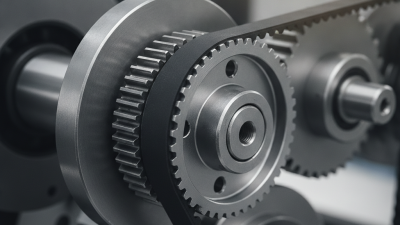
What Are the Top HTD 14M Pulley Types in 2026?
Choosing an HTD 14M Pulley is not just a matter of matching a belt to a catalog listing. The 14 mm tooth pitch sets a starting point, but tooth count, belt width, bore, material, and operating load shape the final choice. A pulley with the right profile can still perform poorly if its hub, shaft fit, or alignment is wrong. Small details matter.
Machine-design author Robert L. Norton offers a useful system-level perspective. In paraphrase, his guidance is: “Select components for the loads and conditions they will actually face.” That is a design principle, not a verified verbatim quotation. It matters here because a light aluminum pulley may suit a compact, moderate-load drive, while steel or a robust hub design may better fit demanding service. Flanged, taper-lock, split, and custom-bore versions each solve different installation or retention needs. None is best in every application.
This guide compares the main HTD 14M Pulley types likely to matter in 2026, including their practical strengths and trade-offs. Expect concrete checks: shaft diameter, belt width, tooth engagement, speed, and available space around the drive. Catalog descriptions can be vague. Verify the drawing before ordering. A missed bore detail can waste time, and I should not imply that one pulley type fits every machine. The right choice begins with the actual drive conditions, not a trend or a product label.
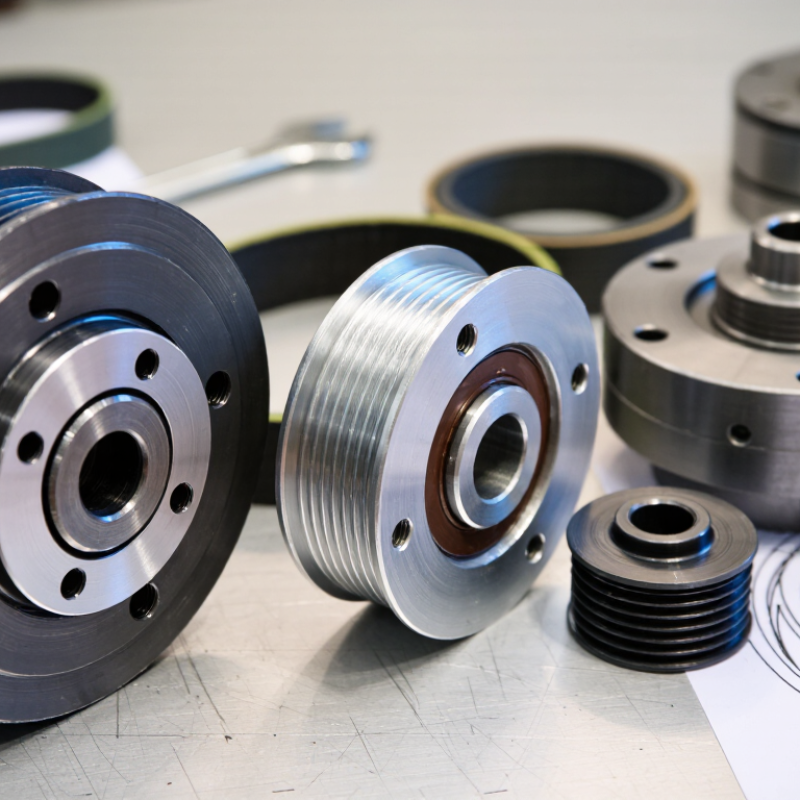
What Defines an HTD 14M Timing Pulley?
What Are the Top HTD 14M Pulley Types in 2026?
What Defines an HTD 14M Timing Pulley?
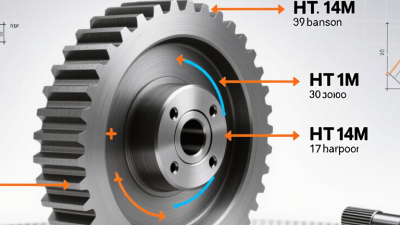
An HTD 14M timing pulley is designed to mesh with a matching synchronous belt. “14M” identifies a 14-millimeter tooth pitch, measured between corresponding points along the belt’s pitch line. Its curved tooth profile supports positive engagement under load. The pulley grooves must match the belt’s profile and width; a similar-looking trapezoidal pulley is not automatically compatible. Tooth count also affects pitch diameter, which is approximately the tooth count multiplied by 14 millimeters, divided by pi. That distinction matters.
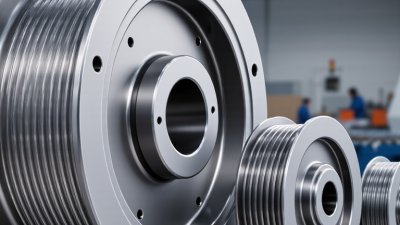
Common configurations include flanged pulleys, which help guide a belt laterally, and plain pulleys used where belt tracking is controlled another way. Mounting options may include a finished bore, a pilot bore for machining, or a clamping hub. Idler pulleys guide or tension a belt, but do not transmit drive power through a shaft. It is easy to assume “14M” specifies the entire pulley. It does not; bore, width, material, and mounting details still matter.
Tips: Check the belt’s printed pitch and width, then verify the pulley tooth count and bore. Measure the shaft before ordering. A small mismatch can cause poor seating, noise, or uneven wear. For a demanding drive, confirm load, speed, and alignment with an engineer or supplier.
How Are HTD 14M Pulley Types Classified?
HTD 14M pulleys are commonly classified by tooth count, belt width, construction, and mounting features. The “14M” designation refers to a 14-millimeter belt pitch, not the pulley’s outside diameter. Tooth count determines the pitch diameter: a 30-tooth pulley measures about 134 millimeters at the pitch line. More teeth generally create a larger pulley and change the drive ratio.
Check the belt’s matching profile, too. A pulley that looks close may still mesh poorly.
Widths are selected to match the belt and the load, while flanges help keep the belt from drifting sideways. Some pulleys have flanges on both sides; others rely on the machine’s alignment. Construction provides another useful category: solid or spoked bodies, different hub styles, and materials such as aluminum or steel. Bore options may include a plain bore, keyway, or clamping arrangement.
That sounds tidy. Real setups are messier. A small alignment error, insufficient belt clearance, or an overlooked hub dimension can cause trouble, so verify the drawing and mating parts before ordering.
What Are the Main HTD 14M Pulley Designs in 2026?
HTD 14M pulleys use a rounded tooth profile with a 14 mm pitch, designed to mesh with matching synchronous belts. The main designs differ in body construction, belt guidance, and shaft mounting. A solid-disc pulley offers a sturdy, compact body. Webbed or spoked versions reduce material and rotating mass, but their suitability depends on load and operating conditions. Lighter is not always better.
Flanged designs help keep the belt tracking across the pulley. Some assemblies use a flange on one side, while others rely on flanges at opposite ends of the drive. Unflanged pulleys can suit setups where another component provides lateral guidance. Alignment still matters. A small offset can wear belt edges over time.
Mounting options include pilot bores for custom machining, finished bores with keyways, and hub systems such as taper-lock designs. Material choices commonly include aluminum and steel; the right choice depends on torque, speed, environment, and inertia requirements. Check tooth count, belt width, bore, and hub dimensions together before ordering. Details are easy to overlook. In practice, I would also verify the pulley profile against the belt specification, rather than assuming every 14M part is interchangeable.
How Do You Choose the Right HTD 14M Pulley?
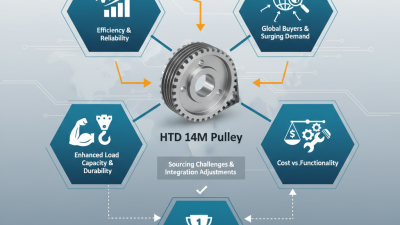
Choosing an HTD 14M pulley starts with matching its 14 mm tooth pitch and profile to the belt. Similar-looking profiles may not mesh correctly. Poor engagement can create noise, accelerate wear, or cause tooth jumping under load. Check torque, operating speed, and shaft diameter before selecting a pulley. Small details matter.
Compare tooth count and belt length as a pair. A smaller pulley saves space, but it increases belt bending and tooth load. Confirm the pulley face is wide enough for the belt, then check the bore and attachment method, such as a keyway or clamp.
Aluminum can suit lighter assemblies; steel may be preferable for higher loads. The whole drive design matters more than material alone. Flanges can help with tracking, but they cannot fix poor alignment.
Even careful sizing can overlook edge rubbing, so inspect the layout and dimensional drawing before ordering.
Tips: Verify the belt’s exact profile and width. Check shaft fit and clearance, too. If load or speed estimates are uncertain, leave a safety margin and reassess the design.



 +86-19862000127
 Phone
 Email