China Top 10 HTD 14M Pulley Manufacturers?
China’s timing-drive sector has become a serious source for industrial pulleys, especially the Htd 14m Pulley. These components serve conveyors, packaging lines, machine tools, agricultural equipment, and automated production systems. Their 14 mm tooth pitch supports high torque transmission when the belt, pulley, and tension system are correctly matched.
A practical selection requires more than counting suppliers. Buyers should examine tooth accuracy, bore tolerances, surface finish, material grade, balancing quality, and inspection records. Clear drawings matter. So do realistic delivery times. Some factories offer strong machining capacity but weaker documentation. Others provide excellent samples yet struggle with repeat orders. That difference can affect an entire production line.
“Reliable power transmission begins with matching the pulley to the complete drive system, not choosing the cheapest component,” says Dr. Martin Keller, an independent timing-drive engineer. His point deserves attention. A pulley can look precise under bright factory lighting, while hidden runout creates vibration during operation. This ranking of China’s top ten Htd 14m Pulley manufacturers therefore considers engineering experience, production equipment, customization ability, quality control, export service, and field reliability. It is not a perfect measurement. Supplier performance can change with materials, staffing, and project pressure. Buyers should still request current test reports, samples, and references before making a final decision. Small details matter. A clean tooth profile, accurate bore, and stable hardness may determine whether a drive runs quietly for years or requires early replacement.
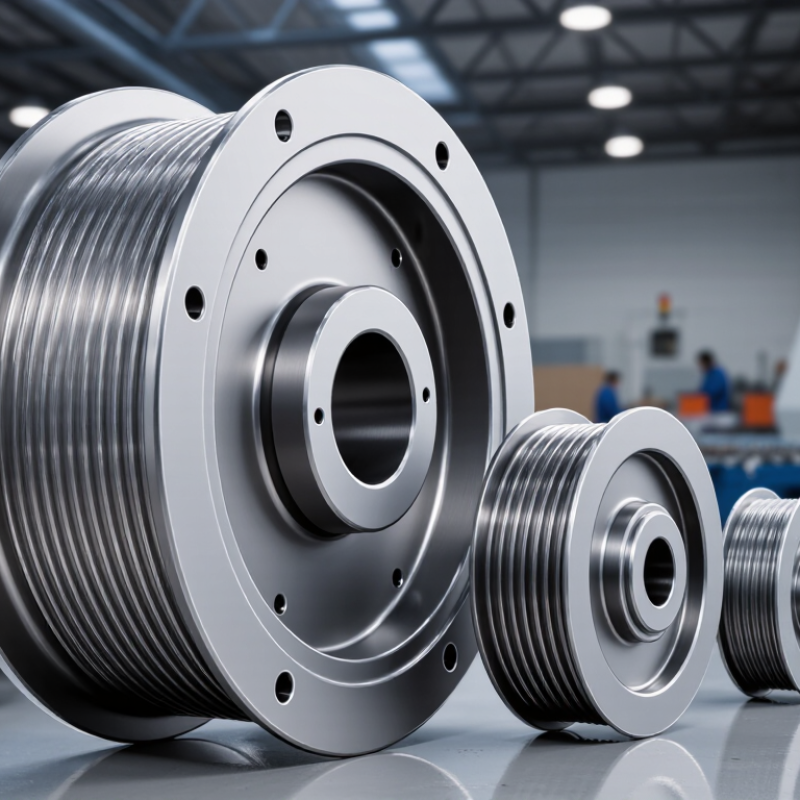
What HTD 14M Pulleys Are and Where They Are Used
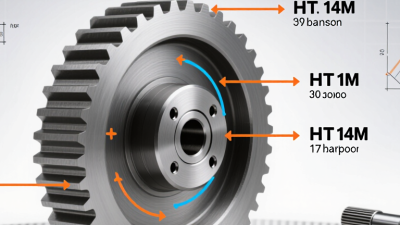
An HTD 14M pulley is a toothed wheel designed for a 14-millimeter belt pitch. Its curved tooth profile helps distribute load and reduce tooth stress during continuous rotation. Unlike a friction drive, it transfers motion through positive engagement between the pulley and timing belt.
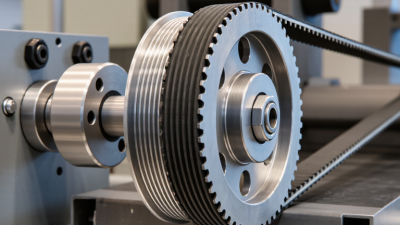
In practical equipment, HTD 14M pulleys appear in conveyors, packaging machines, CNC systems, automated storage units, and heavy-duty robotics. A wide pulley may carry substantial torque, while a smaller pulley supports compact layouts and faster belt movement. For example, a conveyor drive may use a steel pulley with a keyed bore, flanges, and precise tooth spacing. Aluminum versions can reduce rotating mass.
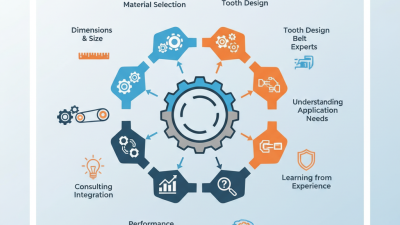
Selection requires more than counting teeth. Engineers should check torque, shaft diameter, belt width, operating speed, center distance, and available mounting space. Misalignment can cause edge wear, even when the pulley looks correctly machined. Proper tension matters too; excessive tension can damage bearings, while low tension may produce tooth jumping.
During inspection, I look for clean tooth valleys, consistent pitch, and a smooth bore finish. Surface treatment can improve corrosion resistance, but it cannot correct poor machining. There is no universal best pulley. A design that works on a dry factory floor may perform poorly near oil, dust, or temperature changes. One detail is often overlooked: the belt and pulley should be selected as a matched system, not as separate components.
China Top 10 HTD 14M Pulley Manufacturers? - What HTD 14M Pulleys Are and Where They Are Used
Reference data for selecting and applying HTD 14M synchronous belt pulleys. Exact dimensions should be confirmed against the matching belt profile and engineering drawing.
| Profile |
Pitch |
Example Tooth Count |
Approx. Pitch Diameter |
Typical Belt Width |
Common Pulley Materials |
Typical Application |
Key Selection Consideration |
| HTD 14M Compact Drive |
14 mm |
28 teeth |
125.0 mm |
40–55 mm |
Aluminum alloy or steel |
Compact conveyor and packaging machinery |
Check minimum tooth count, torque, and wrap angle. |
| HTD 14M General Drive |
14 mm |
32 teeth |
142.6 mm |
55–85 mm |
Steel or ductile iron |
Industrial conveyors and material handling |
Verify shaft diameter, keyway, and allowable belt tension. |
| HTD 14M Medium Torque |
14 mm |
36 teeth |
160.4 mm |
55–115 mm |
Steel, ductile iron, or aluminum |
Machine tools and automated production lines |
Match pulley face width to the selected belt width. |
| HTD 14M High Torque |
14 mm |
40 teeth |
178.3 mm |
85–115 mm |
Steel or ductile iron |
Heavy-duty conveyors and mixers |
Assess shock loading, service factor, and flange strength. |
| HTD 14M Servo Drive |
14 mm |
48 teeth |
213.9 mm |
40–85 mm |
Precision-machined aluminum or steel |
Servo positioning systems and robotics |
Control runout, balance, backlash, and mounting concentricity. |
| HTD 14M Large Reduction |
14 mm |
56 teeth |
249.2 mm |
85–170 mm |
Steel or ductile iron |
Reducers, hoists, and large conveying systems |
Confirm center distance and belt length before ordering. |
| HTD 14M Agricultural Drive |
14 mm |
40–56 teeth |
178.3–249.2 mm |
85–170 mm |
Treated steel or ductile iron |
Harvesting, irrigation, and agricultural equipment |
Consider dust, moisture, contamination, and corrosion protection. |
| HTD 14M Pump Drive |
14 mm |
32–48 teeth |
142.6–213.9 mm |
55–115 mm |
Steel, stainless steel, or coated aluminum |
Positive-displacement pumps and compressors |
Check continuous torque, speed, heat, and fluid exposure. |
| HTD 14M Fan Drive |
14 mm |
28–40 teeth |
125.0–178.3 mm |
40–85 mm |
Aluminum alloy or steel |
Industrial fans, blowers, and ventilation systems |
Prioritize balance, low vibration, and correct belt tension. |
| HTD 14M Corrosion-Resistant Drive |
14 mm |
32–56 teeth |
142.6–249.2 mm |
55–115 mm |
Stainless steel or anodized aluminum |
Food-processing support equipment and washdown areas |
Specify surface finish, drainage, sealing, and cleaning compatibility. |
Technical note: HTD 14M refers to a synchronous belt tooth profile with a 14 mm tooth pitch. Pitch diameter is calculated as
tooth count × 14 ÷ π. Bore size, keyway, flange design, face width, material, and surface treatment are application-specific and are not defined by the pitch designation alone.
How to Evaluate Chinese HTD 14M Pulley Manufacturers
China Top 10 HTD 14M Pulley Manufacturers?
Evaluating Chinese HTD 14M pulley manufacturers requires more than comparing quotations. The 14 mm pitch demands accurate tooth geometry, stable concentricity, and reliable material control. According to ISO 5296, timing pulleys must match defined pitch and tooth-profile requirements. A capable supplier should provide dimensional reports, hardness records, and material certificates for every production batch. Grand View Research estimates that the global industrial gear market will continue expanding through 2030, driven by automation and factory modernization. This growth increases demand for dependable power-transmission components, but quality still varies widely.
Ask whether the manufacturer performs CMM inspection, dynamic balancing, and belt-mesh testing. Request sample data for pitch diameter, bore tolerance, radial runout, and flange alignment. A useful supplier can explain its machining sequence clearly. It should also show traceability from raw steel or aluminum to final inspection. ISO 9001 certification supports process discipline, although certification alone proves little. In my experience, the most revealing test is a small pilot order under realistic load. Some suppliers provide polished samples, but their batch consistency remains uncertain. That deserves honest attention.
Tips: Compare three samples, not one. Check teeth under magnification. Ask for failure records and corrective actions. Confirm packaging against corrosion and impact. Calculate torque, speed, and service factor independently. A low price may hide thinner flanges, weaker alloys, or rushed inspection. Interact Analysis reports continued investment in Chinese industrial automation, yet buyers should not confuse market growth with manufacturing reliability. Supplier selection needs evidence, repeated testing, and a willingness to question attractive promises.
HTD 14M Pulley Evaluation Reference
Standard pitch diameter reference by tooth count for evaluating dimensional accuracy and product capability among Chinese HTD 14M pulley manufacturers.
HTD 14M pulleys use a 14 mm tooth pitch. Pitch diameter is calculated as
pitch × tooth count ÷ π. Buyers can compare supplier drawings, inspection reports, machining tolerances, material specifications, and quality-control records against these standard geometric references.
Profiles of China’s Top 10 HTD 14M Pulley Manufacturers
China’s top 10 HTD 14M pulley manufacturers differ in equipment, engineering depth, and export experience. This profile compares them through practical purchasing criteria, not advertising claims.
Manufacturer 1 focuses on standard steel pulleys. Its CNC turning lines support stable bore dimensions and repeatable tooth profiles.
Manufacturer 2 supplies aluminum pulleys for lighter transmission systems. Its anodized surfaces help resist routine corrosion, though finish consistency deserves inspection.
Manufacturer 3 serves agricultural machinery and produces reinforced flanges.
Manufacturer 4 specializes in timing pulleys for packaging equipment. It offers custom keyways and tighter runout control.
Manufacturer 5 combines machining with casting, reducing costs for larger pulley bodies. Buyers should verify balancing procedures.
Manufacturer 6 provides stainless steel options for humid workshops and washdown areas. Material certificates are important here.
Manufacturer 7 develops split pulleys for easier maintenance. Its designs can shorten replacement time, but clamping accuracy must be checked carefully.
Manufacturer 8 supports low-volume custom orders and prototype development. This is useful for unusual shaft sizes.
Manufacturer 9 manufactures high-load pulleys for conveyors and industrial drives. Heat treatment records and tooth hardness data should accompany serious quotations.
Manufacturer 10 serves overseas distributors with inspection reports and export packaging. Its documentation appears reliable, but sample testing remains sensible.
HTD 14M performance depends on pitch accuracy, bore alignment, flange strength, and belt compatibility. A polished catalog is not enough. One overlooked detail can create vibration, noise, or premature belt wear. Factory audits, dimensional reports, and trial orders provide stronger evidence than broad market rankings.
How to Select and Purchase the Right HTD 14M Pulley Supplier
China Top 10 HTD 14M Pulley Manufacturers? How to Select and Purchase the Right Supplier
Choosing an HTD 14M pulley supplier requires more than comparing prices. HTD 14M means a 14 mm tooth pitch, so tooth accuracy directly affects torque transfer and belt life. According to Grand View Research’s 2024 industrial belt market analysis, demand is expanding steadily through 2030, driven by automation and material-handling equipment. That growth also brings uneven quality. Be careful.
Ask each manufacturer for dimensional inspection records, material certificates, tooth-profile data, and shaft-bore tolerances. ISO 13050:2022 provides a useful reference for synchronous belt drives. For heavy conveyors, check steel grade, surface treatment, flange strength, and dynamic balance. A supplier should explain how runout is measured, not merely promise “high precision.” Request a production sample before placing a large order. Measure it independently if possible.
Reliable purchasing decisions also depend on practical service. Review factory experience with large-diameter pulleys, machining capacity, minimum order quantities, packaging, and replacement support. A 2024 MarketsandMarkets report identifies industrial automation as a major driver of power-transmission component demand, but forecasts do not guarantee supplier performance. I would compare three quotations using the same drawing and operating conditions. A cheaper pulley may become expensive after belt wear, vibration, or delayed delivery. Supplier audits are useful, though they can still miss problems. Traceable inspections and a written tolerance agreement provide stronger protection.



 +86-19862000127
 Phone
Phone Email
Email