+86-19862000127


Choosing the right toothed pulley can greatly impact the performance of your machinery. These components play a crucial role in the efficiency of various applications. Their proper selection ensures smooth operation, reduces wear, and enhances overall reliability.
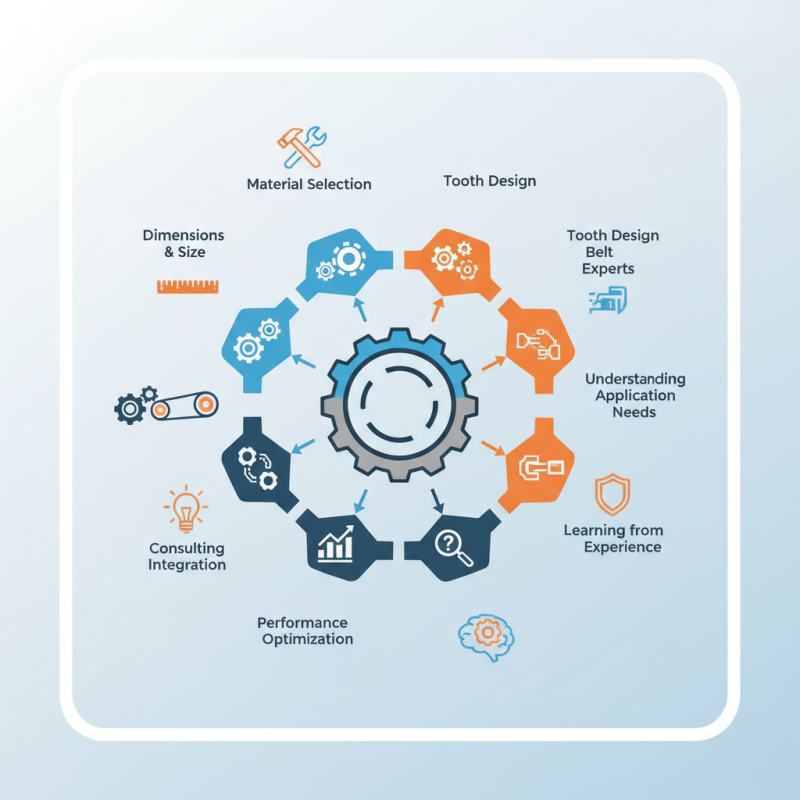
When assessing toothed pulleys, consider the material, dimensions, and tooth design. Different applications may require specific characteristics that impact durability and performance. It's not just about picking a size; understanding your system’s needs is essential. Many overlook the importance of compatibility with belts and other components.
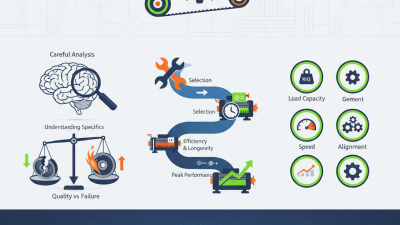
Achieving the ideal fit takes careful thought. Reflecting on past choices is beneficial. Learning from previous mistakes can lead to better decisions in the future. Lastly, ensure to consult industry experts when in doubt, as their insights can provide invaluable clarity.
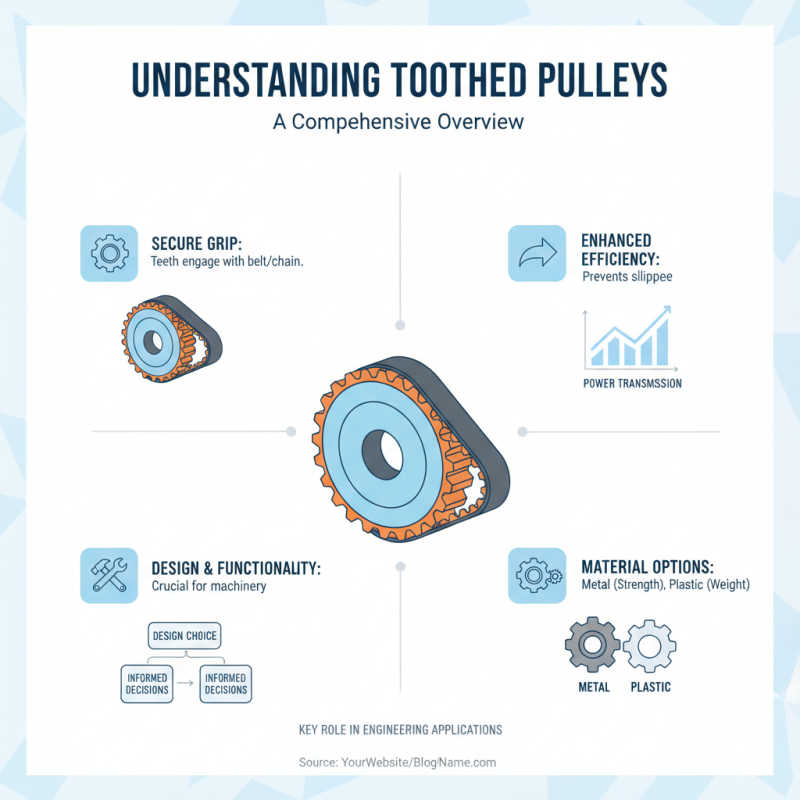
Toothed pulleys play a crucial role in machinery and engineering applications. Understanding their design and functionality is essential for making informed decisions. These pulleys feature teeth that engage with a belt or chain, ensuring a secure grip. This prevents slippage, enhancing the efficiency of power transmission. Knowing the different materials used can also help. For instance, metal offers strength, while plastic can reduce weight.
When choosing a toothed pulley, consider its size and compatibility with your system. The shape and number of teeth affect performance and load capacity. An incorrect size may lead to gear misalignment, resulting in increased wear. Custom solutions might be necessary, depending on your project's requirements. There’s often a trade-off between durability and cost. Investing in a higher-quality pulley can save you money in repairs over time.
However, buyers should not ignore potential flaws, like the risk of overheating in high-speed applications. Each option presents unique challenges. Balancing these factors is crucial for optimal performance. Always research and assess your specific needs before making a final choice. Making an educated decision will lead to more reliable machinery in the long run.
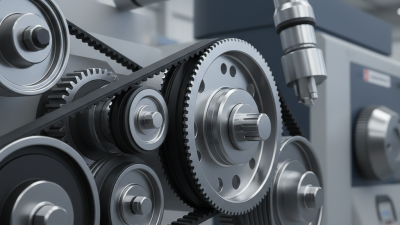
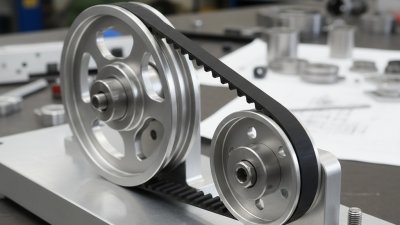
When selecting toothed pulleys, material choice is crucial. Different materials offer distinct advantages. For instance, aluminum is lightweight and strong, ideal for high-speed applications. Steel is another option, known for its durability and ability to handle heavy loads. However, it is heavier, which can be a drawback in some situations.
Thermoplastics can also be effective. They resist corrosion and can function well in harsh environments. Yet, they may not support as much weight as metal options. Understanding the application and environment is essential.
A frequent oversight is neglecting material compatibility. Choosing materials that do not align can lead to failures. It's important to consider wear resistance too. A material may be strong but could wear down quickly in specific applications. Taking the time to evaluate these factors will yield better performance.
When selecting a toothed pulley, size and compatibility with your system are crucial. An ill-fitting pulley can lead to inefficiencies. Measure the shaft diameter carefully. Ensure the pulley width aligns with your belt’s specifications. Misalignment can cause wear and tear on both the pulley and the belt.
Consider the load requirements too. Choose a pulley that can handle the expected weight and speed. Assess the material as well. Different materials offer varying durability and flexibility. This can impact the longevity of the pulley. Compatibility with your existing components is vital. A pulley that is too large or too small can disrupt performance.
Lastly, always verify the specifications before purchasing. Small discrepancies can lead to significant issues. Testing the pulley in real conditions is also advisable. This can reveal unseen challenges and ensure smooth operation. Remember that experience plays a key role in making the right choice. Taking the time to evaluate the details can save you from costly errors later.
When selecting a toothed pulley, analyzing the tooth profile and pitch is crucial. The tooth profile impacts how effectively the pulley engages with the belt. Variations in shape can lead to differences in the load distribution. A rounded tooth, for instance, may reduce stress concentrations. However, it may also decrease efficiency under certain conditions. Studies show that an optimal tooth profile can enhance the longevity of the system by up to 25%.
The pitch, the distance between adjacent teeth, directly influences timing and synchronization. A smaller pitch typically allows for finer engagement, leading to a smoother operation. According to industry data, a pitch mismatch can result in a 15% loss in system efficiency. Users must balance the benefits of a finer pitch against the increased risk of wear. Improper selection can lead to premature failure of both the pulley and the belt, highlighting the need for careful analysis.
Understanding these factors requires experience. Many engineers emphasize the importance of prototyping and testing different configurations. Feedback from real-world applications provides invaluable insights. Incremental adjustments can yield significant performance improvements, making a reflective approach essential in the selection process. Getting it right demands attention to detail and a willingness to learn from previous choices.
| Tip | Description | Impact on Performance |
|---|---|---|
| 1. Analyze Tooth Profile | Consider profiles like trapezoidal or rounded. | Affects load capacity and durability. |
| 2. Check Pitch | Ensure the pitch matches the driving mechanism. | Improves efficiency and reduces wear. |
| 3. Assess Material | Select materials based on environmental conditions. | Enhances longevity under specific loads. |
| 4. Understand Load Requirements | Know the load the pulley will handle. | Critical for safety and performance. |
| 5. Evaluate Size | Match size with the application constraints. | Ensures proper engagement and function. |
| 6. Review Compatibility | Ensure compatibility with belts and other components. | Avoids operational issues and enhances efficiency. |
| 7. Analyze Noise Levels | Choose designs that minimize noise. | Improves user comfort and reduces environmental impact. |
| 8. Consider Environmental Factors | Evaluate exposure to elements like moisture and dust. | Prevents premature failure and maintains function. |
| 9. Seek Professional Advice | Consult with engineers or technical experts. | Ensures informed decisions and optimal performance. |
| 10. Test Before Implementation | Conduct trials to verify performance. | Validates choices and identifies potential issues. |
When selecting a toothed pulley, load capacity and durability are paramount. The load capacity determines how much weight the pulley can handle without failure. It’s essential to assess the system it will serve. Consider peak loads and continuous loads. Overestimating can lead to inefficiencies, while underestimating may cause breakdowns. Always check the specifications to align with your specific needs.
Durability is equally crucial in pulley selection. Material choices significantly impact lifespan. Steel pulleys offer strength but can be heavy. Composite materials provide lighter options but may lack robustness. Think about environmental factors too. Will it face moisture, dust, or extreme temperatures? These variables can affect durability over time. An ideal choice will balance strength with practical use. Reflecting on past experiences can guide better decisions in future selections, avoiding costly mistakes. Make sure to weigh all factors before finalizing your choice.