Top Benefits of Toothed Pulley for Efficient Machinery Use?
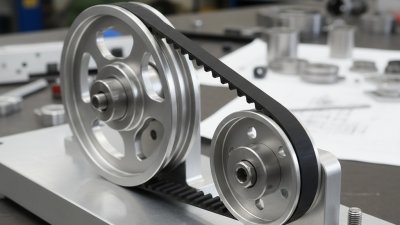
In the ever-evolving world of machinery, the role of a Toothed Pulley cannot be overstated. Renowned expert Sarah Thompson, an engineer with over 20 years in the field, emphasizes, "The precision of a Toothed Pulley can significantly enhance mechanical efficiency." This mechanism not only optimizes performance but also contributes to the longevity of equipment.
By using a Toothed Pulley, industries can benefit greatly from improved torque transmission. This leads to lower energy consumption and reduced wear on components. However, some engineers still overlook the potential of these pulleys, leading to inefficient operations. A deeper understanding of their advantages can transform machinery usage.
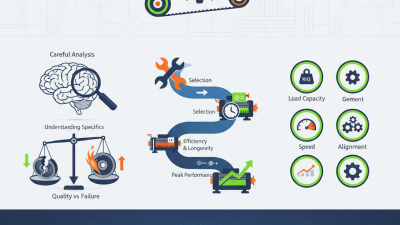
It's vital to remember that while Toothed Pulleys offer many benefits, they also require careful selection and maintenance. Misalignment or poor installation can negate their advantages. A well-considered approach to incorporating Toothed Pulleys is essential for achieving the desired efficiency and reliability in machinery.
Benefits of Using Toothed Pulleys in Machinery Operations
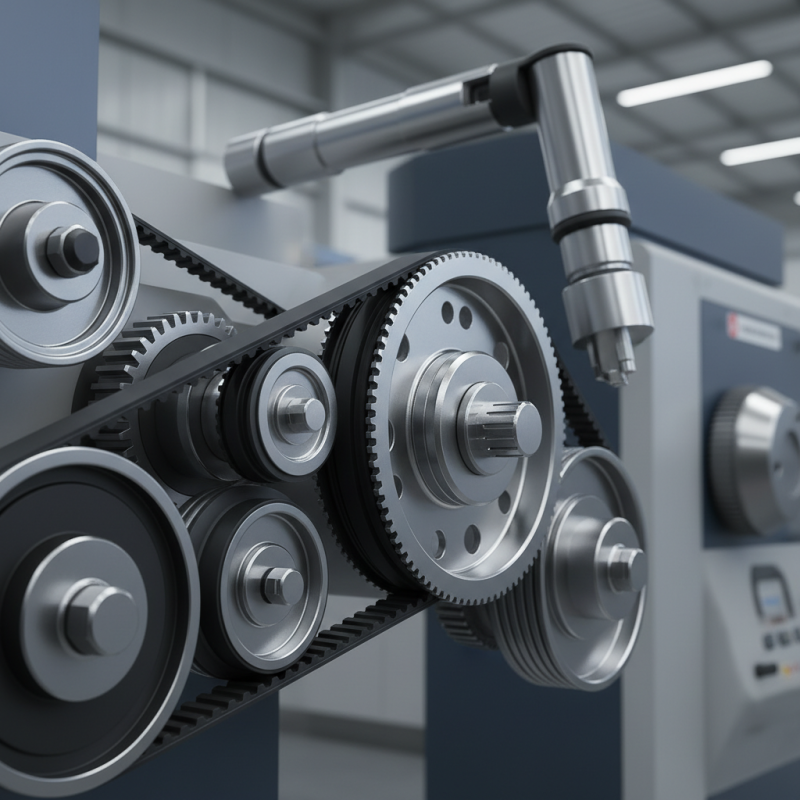
Toothed pulleys are increasingly used in machinery operations. They offer several benefits that make them a preferred choice. First, their design allows for a secure grip on belts, reducing slippage. This efficiency translates into consistent power transfer. With reduced slippage, machines operate smoothly. This leads to less wear and tear on components.
Another significant aspect is the precision they provide. Toothed pulleys maintain alignment more effectively than standard pulleys. This precision minimizes vibrations and noise. As a result, machines run quieter, enhancing the work environment. However, the initial installation can be complex. Proper alignment is crucial for optimum performance. If misaligned, wear may increase.
Maintenance is equally important when using toothed pulleys. Regular checks help in identifying wear or damage early. Over time, these pulleys may require replacement. While they are durable, no component is invincible. Users must be proactive in upkeep. Overall, the benefits warrant attention, but a careful approach is necessary for longevity.
Top Benefits of Toothed Pulley for Efficient Machinery Use
| Benefit |
Description |
Impact on Machinery |
Applications |
| Increased Torque Transfer |
Toothed pulleys engage more effectively with belts, allowing for higher torque transfer capability. |
Improved efficiency and reduced slippage. |
Industrial conveyor systems, automotive drives |
| Reduced Maintenance Costs |
Less frequent adjustments or replacements needed due to better grip. |
Lower operational downtime and maintenance expenses. |
Manufacturing equipment, packaging machines |
| Enhanced Speed Control |
Allows for precise control of rotational speed through adjustable settings. |
Improved process control and energy efficiency. |
Fans, pumps, and complex machinery |
| Noise Reduction |
Creates a smoother operation, reducing vibrations and noise levels. |
Enhances workplace comfort and compliance with regulations. |
HVAC systems, audio-visual equipment |
| Versatile Design |
Can be designed for various sizes and materials to fit specific applications. |
Flexibility in machinery design and applications. |
Textile machinery, woodworking tools |
Reduction of Slippage Issues in Mechanical Systems
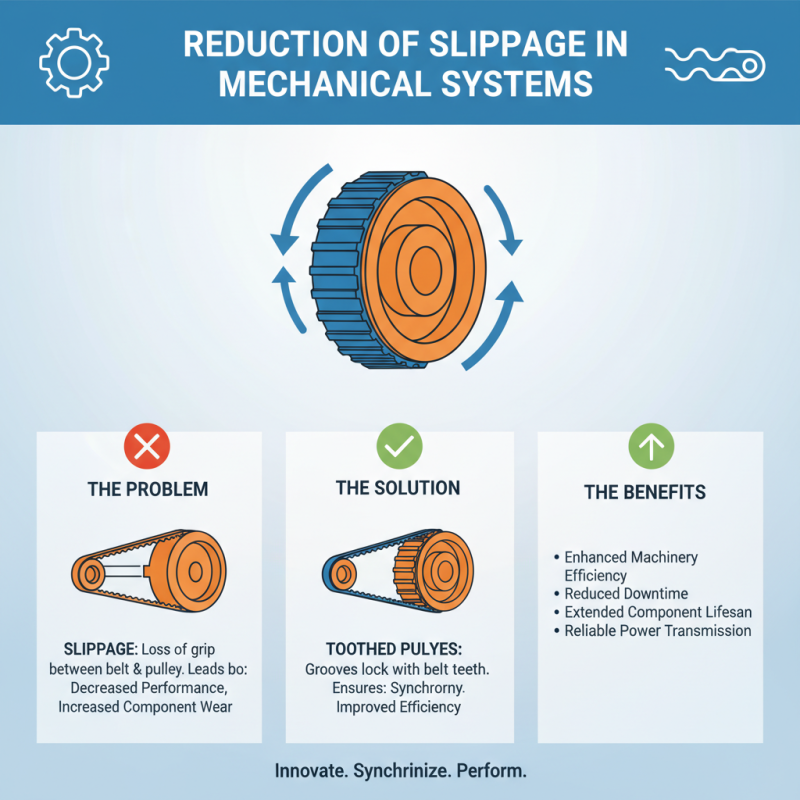
Toothed pulleys play a vital role in enhancing the efficiency of machinery. A significant benefit is the reduction of slippage issues in mechanical systems. Slippage occurs when there is a loss of grip between the belt and pulley. This loss can lead to decreased performance and increased wear on components. By employing toothed pulleys, the synchrony between belt and pulley is greatly improved.
Toothed designs allow for precise alignment. This precision leads to better energy transfer and less slippage. In applications such as conveyors or automotive engines, even minor slippage can result in major problems. Implementing toothed pulleys minimizes such risks. Moreover, consistent performance can lead to longer machinery lifespan and reduced maintenance costs.
It's essential to recognize that while toothed pulleys offer many benefits, they are not without limitations. For instance, they may require more precise installation. If not aligned properly, they may still experience slippage. Ongoing monitoring of tension is crucial. Regular maintenance can ensure that they operate efficiently in various industrial settings.
Improved Load Handling and Stability in Equipment
Toothed pulleys have gained significant traction in various industries due to their superior capabilities in load handling and stability. Their unique design allows for better engagement with belts, which translates to reduced slippage during operation. This feature is particularly crucial in environments where precision and reliability are paramount. Enhanced traction helps maintain constant tension, leading to smoother performance in machinery.
In practical applications, improved load handling can directly impact productivity. When equipment operates with minimal vibrations and consistent force, it reduces wear and tear on components. This results in lower maintenance costs and a longer equipment lifespan. However, while toothed pulleys can offer great advantages, the installation process requires careful attention to alignment and tension. Errors in setup may negate their benefits, causing inefficiencies that can be frustrating.
Stability is another critical area where toothed pulleys shine. Their ability to keep loads balanced leads to safer operations, especially in heavy-duty machinery. Yet, users must also recognize that not all systems may adapt seamlessly to this type of pulley. Some legacy systems could present challenges, requiring further modifications. Thorough evaluation is necessary to determine compatibility and optimize performance.
Application Versatility of Toothed Pulleys in Various Industries
Toothed pulleys have become increasingly popular across various industries due to their application versatility. These components are essential in machinery where precision and efficiency are paramount. Manufacturers often use toothed pulleys for power transmission systems. Their unique design allows for a better grip on belts, reducing slippage and improving overall performance. This feature is particularly invaluable in high-torque applications.
In the automotive sector, toothed pulleys play a vital role. They contribute to the timing mechanisms that synchronize engine components. This ensures optimal performance and fuel efficiency. Similarly, in the textile industry, toothed pulleys help in controlling fabric movement, promoting consistency in production. However, not every application benefits equally; some machines may require specialized configurations that can lead to inefficiencies.
Even with their advantages, toothed pulleys can present challenges. Misalignment during installation may lead to wear and tear on both the pulley and the belt. Regular maintenance and adjustments are crucial. Users sometimes overlook this aspect when focusing on other machinery components. It’s essential to acknowledge these imperfections and stay vigilant about upkeep to maximize effectiveness.



 +86-19862000127
 Phone
Phone Email
Email