+86-19862000127


Selecting reliable Elevator Belts manufacturers and suppliers in China requires more than comparing prices. Buyers should examine belt construction, rated tensile strength, dimensions, coating material, and compatibility with the elevator’s traction system. Small differences matter. A belt must match the equipment design and operating conditions, not merely fit the sheave. Ask suppliers for current technical data, inspection records, and clear guidance on installation and maintenance. Where applicable, verify that products meet the requirements of the destination market. Documentation deserves close attention. A polished catalogue alone cannot confirm manufacturing consistency.
This guide introduces practical ways to assess Chinese manufacturers and suppliers, from production capabilities to quality control and after-sales support. Request samples or product references when appropriate, and clarify lead times, customization options, packaging, and warranty terms before placing an order. Factory audits and traceable inspection procedures can help buyers understand how materials and finished belts are managed. Experience with a particular elevator model is useful, but it should be supported by verifiable evidence. A supplier’s response to technical questions can also reveal how well its team understands the application. Still, no checklist removes every risk. Specifications can be incomplete, and one overlooked detail may delay a project. Careful comparison helps buyers make a more informed choice.
China Best Elevator Belt Manufacturers and Suppliers
Elevator belts are engineered suspension and traction components used in some modern elevator systems. They connect the drive sheave to the car and counterweight, helping transfer motor force into controlled movement. Many designs combine a flexible polymer coating with embedded steel cords. The coating supports grip and protects the cords, while the cords carry much of the tensile load. Not just a strap. During travel, belt tension and alignment matter; uneven loading or slipping can affect smooth operation.
A belt can look sound while hiding wear. That is why trained technicians check its surface, tracking, tension, and signs of damage according to the elevator maker’s specifications. Dust, oil, or misalignment may change how the belt contacts the sheave. Inspections also consider the whole drive system, since belts do not work alone. Replacement decisions should follow documented wear limits, not guesswork. The practical lesson is easy to miss: appearance is only one clue. Clear maintenance records and suitable inspection tools help teams spot gradual changes before they become disruptive.
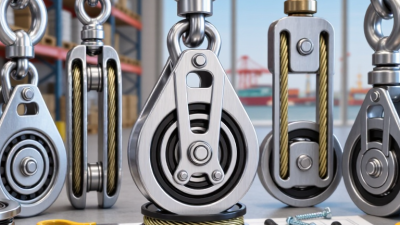
Elevator belts combine strength, flexibility, and reliable traction. Many designs use high-tensile steel cords embedded in a polyurethane jacket. The cords carry the load, while the jacket protects them and grips the drive sheave. Some applications use different jacket materials to suit operating conditions. Material choice should match the elevator’s load, speed, sheave size, and environment.
Details matter. Cord spacing, belt thickness, and surface finish can affect tracking and wear. A belt must bend repeatedly around sheaves without excessive stretching or cracking. Low elongation helps maintain consistent tension, but it does not remove the need for correct installation. Moisture, oil, dust, or poor alignment may shorten service life. Small details matter.
Performance checks should include dimensions, tensile properties, flexibility, and resistance to abrasion. In service, technicians can watch for uneven wear, edge damage, unusual noise, and changes in belt tracking. Manufacturer data is useful, but it should be checked against the actual elevator configuration. A specification sheet alone may not reveal how a belt behaves after years of repeated bending. That limitation deserves attention. Choosing a belt is not just a materials decision; it also depends on fit, maintenance, and operating conditions.
Approximate densities of representative materials used in elevator belt cords or coverings. Actual values vary by grade and formulation; these figures are not a belt-composition specification.
Steel cords provide tensile reinforcement, while polyester cords and thermoplastic polyurethane (TPU) coverings are lightweight constituent materials used in some belt designs. Compare complete belt specifications and performance ratings when selecting a product.
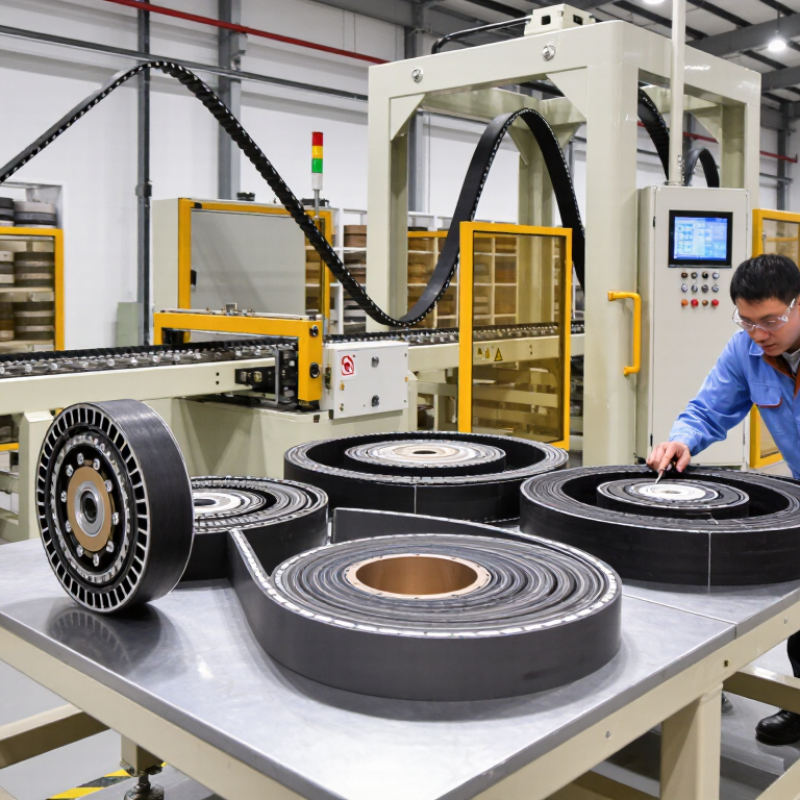
China’s elevator belt sector brings together material processing, reinforcement design, coating, and dimensional inspection. Manufacturers and suppliers serve elevator makers, maintenance firms, and distributors. Product choices depend on load ratings, pulley geometry, and installation conditions.
A careful review should cover belt construction, tensile data, elongation limits, and abrasion resistance. Ask how batches are traced and dimensions are checked.
Details matter. A belt that looks sound in a sample may perform differently after repeated bending, heat, or long service cycles.
China’s supplier landscape includes specialized factories and trading-focused suppliers, whose technical capabilities can vary. Some offer engineering support and custom lengths; others concentrate on order coordination.
Compare technical documents, sample measurements, delivery consistency, and the quality of answers—not price alone. Request test records that match the product specification, and clarify storage and installation guidance before ordering.
Fit comes first.
Published specifications may not capture every pulley, shaft, or site condition. Independent checks and advice from a qualified elevator technician are sensible when replacing a belt or changing a system.
When evaluating Chinese elevator belt manufacturers and suppliers, begin with the belt’s intended duty, not a low quotation. Share the elevator model, rated load, sheave diameter, travel, and operating conditions. Ask for construction details, dimensions, tensile-strength data, fatigue-test methods, and allowable tolerances. Compare these against the elevator designer’s requirements. A polished catalogue is not proof. Clear technical records matter.
Request recent test reports and confirm which laboratory performed each test. Check sample labels against production records, then ask how incoming materials and finished belts are inspected. A factory visit can reveal storage conditions, measuring tools, and whether rejected products are separated. Discuss traceability, packaging, lead time, warranty terms, and spare-part support in writing. Communication can be revealing. Vague replies deserve follow-up. Even a careful review may miss something, so keep your questions documented.
Tips: Request a production sample and compare its markings and dimensions with the approved specifications. Ask who handles quality issues after delivery. A useful supplier should answer clearly, with evidence—not pressure you to decide quickly.
When evaluating elevator belt manufacturers and suppliers, check more than the quoted price. Ask for belt specifications covering width, thickness, tensile strength, and operating temperature. Compare these values with the elevator manufacturer’s requirements. Request recent test reports and batch traceability records. A clear report should identify the tested sample and method. Look for documented quality controls, such as inspection records for coating and belt dimensions. Certifications can support confidence, but confirm what each certificate actually covers; a factory quality certificate is not proof that every belt model has been independently tested.
Tips: Request a sample and inspect its edges, surface, and markings. Confirm that the supplier can trace the sample to a production batch. Ask how nonconforming products are handled. Small details matter.
Before placing an order, check lead times, packaging, replacement availability, and technical support. Clarify whether the supplier can provide material or performance documents for the exact belt you plan to buy. Keep written records of agreed specifications and approval samples. A low price can be tempting, but it may leave important questions unanswered. Sourcing is rarely perfect; recheck assumptions before approving production.