
Inquiry
Form loading...

Top Conveyor Scale Manufacturers for Global Buyers

Selecting the right Conveyor Scale manufacturer can shape weighing accuracy, production flow, and long-term operating costs. Global buyers need more than attractive specifications. They need evidence of stable performance in real facilities, from dusty aggregate plants to refrigerated food lines.

A dependable manufacturer should explain load-cell design, belt-speed tracking, calibration methods, and software compatibility in practical terms. Look for documented test procedures, recognized quality systems, responsive technical support, and replacement parts that remain available after installation. Factory experience matters. A supplier that understands belt tension, material buildup, and uneven loading can often prevent costly measurement errors.

The strongest companies usually provide application guidance before quoting equipment. They ask about capacity, belt width, moisture, temperature, and target accuracy. That process reveals professional judgment. It also exposes weak recommendations. A scale designed for a clean indoor conveyor may struggle in a wet quarry environment. Small details matter.

No shortlist is flawless. Even respected manufacturers may offer limited regional service or unclear integration support. Buyers should verify references, installation records, warranty terms, and calibration responsibilities. Ask for performance data from comparable sites. Then compare the evidence, not just the brochure. This guide examines leading Conveyor Scale manufacturers for global buyers, with attention to engineering quality, user experience, service reliability, and practical value. The goal is not to crown one universal winner. It is to help each buyer find a technically suitable and supportable choice.
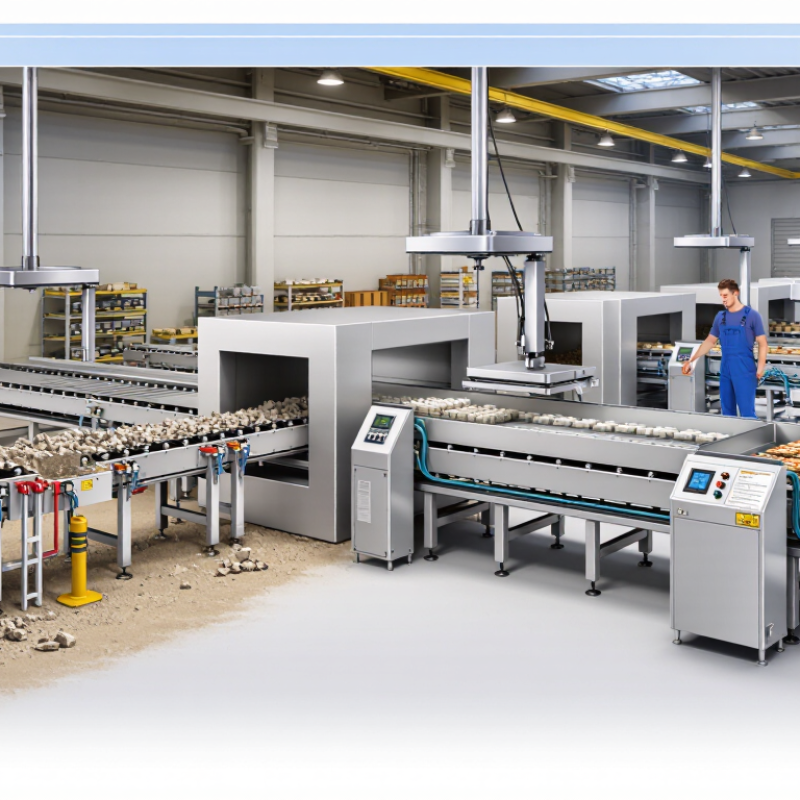
Top Conveyor Scale Manufacturers for Global Buyers

Conveyor Scale Fundamentals: Belt Speeds, Weighing Rates, and Accuracy Classes

Conveyor scale performance depends on belt speed, material flow, and weighing geometry. The basic capacity formula is Q = 3,600 × A × v × ρ, where Q is tonnes per hour, A is loaded cross-sectional area, v is belt speed, and ρ is bulk density. For example, a 0.08 m² load profile moving at 2 m/s with 0.8 t/m³ material produces about 461 t/h. Small errors in density can distort this estimate.

OIML R 50 defines accuracy classes 0.5, 1, 2, and 3 for continuous totalizing weighing instruments. These classes indicate maximum permissible error percentages under defined test conditions. They do not guarantee the same result on a dusty, vibrating conveyor. CEMA guidance also shows that higher belt speeds can increase capacity, but they reduce material stability and shorten the weighing window. A practical design may use 1–3 m/s, depending on material size and loading consistency. Faster is not automatically better.

Weighing rates should match the scale’s rated capacity, not only the conveyor’s motor size. Stable loading, correct idler alignment, and regular zero checks often matter more than selecting a tighter accuracy class. Field results remain imperfect. Moisture, spillage, belt tension, and uneven feeding can create meaningful drift. ISO 5048 calculations help size the conveyor, while controlled calibration confirms actual performance. A scale reading that looks precise may still need questioning.
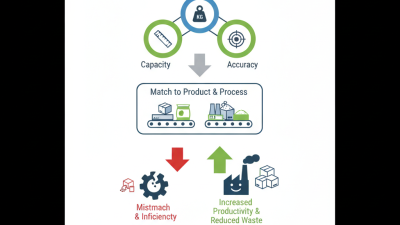
Global Manufacturer Landscape: Siemens, Thermo Fisher, Avery Weigh-Tronix, and Rice Lake

The global conveyor scale market is shaped by four strong manufacturer profiles. Large automation companies focus on plant integration, data visibility, and control-system compatibility. Their scales often suit mining, cement, power, and bulk material operations. Buyers should examine communication protocols, enclosure quality, and local technical support.

Specialist weighing companies usually bring deeper measurement expertise. They may offer belt scales, impact sensors, speed detection, and continuous calibration tools. Their equipment can improve material accounting when belt conditions change during production. Ask for test data from similar materials, belt widths, speeds, and moisture levels. Real operating evidence matters.

Regional weighing manufacturers add practical value through flexible engineering and responsive service. Some provide custom frames, replacement parts, and on-site commissioning. This can reduce downtime for plants far from major service centers. However, customization is not automatically better. A complex design may create more maintenance points. No system is perfect. Even a well-calibrated scale can drift because of buildup, belt tension, vibration, or uneven loading. A reliable purchase includes clear accuracy limits, calibration procedures, training, and documented service response. Global buyers should compare the complete ownership experience, not only the quoted equipment price.

Top Conveyor Scale Manufacturers for Global Buyers – Global Technical Landscape

Evaluation Dimension Verified Industry Data Typical Buyer Requirement Recommended Verification
Measurement Principle Continuous weighing is normally calculated from belt load and belt speed. Load cells measure material force, while a speed sensor measures belt velocity. Stable material flow with synchronized load and speed signals. Request the system block diagram, sensor specifications, and calibration procedure.
Legal Metrology Basis OIML R 50 covers continuous totalizing weighing instruments for bulk materials. National requirements may also apply, including NTEP Handbook 44 in the United States. Certified equipment for custody transfer, invoicing, royalty calculation, or regulatory reporting. Confirm the applicable country approval, certificate number, scope, and permitted operating conditions.
Accuracy Classification OIML R 50 uses accuracy classes for continuous totalizing instruments, including Classes 0.25, 0.5, 1, and 2, subject to the instrument design and approval conditions. Higher accuracy classes are generally selected for commercial transactions; process monitoring may accept a wider tolerance. Check the tested error limit, reference load range, belt-speed range, and certification conditions.
Belt Width Compatibility Industrial conveyor belt scales are commonly engineered for belt widths from approximately 500 mm to more than 2,400 mm, depending on the conveyor design. The weighing assembly must match the belt width, idler geometry, trough angle, and conveyor frame. Provide conveyor drawings, belt width, idler spacing, trough angle, and available installation length.
Belt-Speed Range Suitable operating speed depends on the scale design, material loading, belt construction, and speed sensor. Heavy-duty conveyors may operate at several metres per second. The scale should maintain its stated performance across the actual minimum, nominal, and maximum belt speeds. Compare the certified speed range with conveyor design data and verify speed-sensor installation accuracy.
Throughput Measurement Capacity is determined by material mass flow, belt speed, belt width, loading profile, and bulk density. It cannot be selected from belt width alone. The weighing range should cover normal production, expected peaks, and low-flow operating conditions. Submit minimum, normal, and maximum tonnes-per-hour values together with material bulk density and moisture range.
Material Conditions Dust, moisture, temperature variation, sticky material, segregation, and uneven loading can affect weighing performance and maintenance requirements. The selected configuration should reflect the material’s abrasiveness, adhesion, particle size, and temperature. Evaluate enclosure rating, sensor protection, cleaning access, material testing, and environmental limits.
Calibration Method Common verification methods include static test weights, calibration chains, material tests, and comparison with a reference measurement system. Calibration should be practical for the site and suitable for the required accuracy and legal status. Confirm test equipment, traceability, calibration frequency, test duration, and acceptance criteria.
Data and Connectivity Industrial conveyor scale integrators commonly support pulse, analogue, serial, Ethernet, or fieldbus communication, depending on the indicator and control architecture. The system should provide rate, totalized mass, alarms, diagnostics, and exportable production records. Request the communication protocol list, register map, cybersecurity options, and data-retention method.
Environmental Protection Outdoor bulk-handling installations may require protection against rain, dust, vibration, corrosion, and temperature extremes. The appropriate IP rating depends on the enclosure and installation location. Components should remain reliable under the site’s environmental and washdown conditions. Verify IP rating, operating temperature, vibration limits, corrosion protection, and hazardous-area certification where applicable.
Global Procurement Considerations International projects commonly require local electrical compliance, metric or imperial documentation, spare-parts planning, remote support, and commissioning assistance. The supplier should provide complete technical documents and support the destination country’s installation and compliance requirements. Evaluate delivery scope, manuals, certificates, spare-parts lead time, service coverage, training, and warranty terms.
Reference framework: OIML R 50 for continuous totalizing weighing instruments and applicable national legal-metrology requirements.

Performance Benchmarking: OIML R 50 Accuracy Classes and Repeatability Tests

Top Conveyor Scale Manufacturers for Global Buyers

When comparing conveyor scale manufacturers, global buyers should examine performance against OIML R 50, not only brochure specifications. This standard addresses continuous totalizing automatic weighing instruments, including belt conveyor scales. Its accuracy classes commonly range from 0.5 to 5, with the class indicating the permitted error percentage under defined conditions. A class 0.5 scale, for example, allows less error than a class 2 model.

Testing must reflect real operation. Technicians should record belt speed, feed rate, material type, belt tension, and environmental conditions. They then compare the displayed total with a traceable reference load or an approved test method. Repeatability requires repeated runs using consistent conditions. The results should remain closely grouped, not merely produce one impressive reading. Small changes in moisture or loading position can expose weak calibration.

Practical experience matters here. A scale may meet its class in a controlled test but drift during uneven loading or belt misalignment. That limitation deserves attention. Buyers should request complete test records, calibration procedures, and maintenance intervals before selecting equipment. Some specifications appear precise, yet the test conditions remain unclear. That is a warning sign. A reliable evaluation also checks zero stability, overload behavior, and performance at low and high throughput. Real sites are rarely perfect, so field trials can reveal problems that laboratory data misses.

System Selection Criteria: Belt Width, Material Flow, Load-Cell Capacity, and IP Ratings

Global buyers often compare conveyor scale manufacturers by price, accuracy, and delivery time. Yet system selection deserves closer attention. Start with belt width, because it controls loading stability and measurement coverage. Measure the loaded profile, not only the empty belt. If material piles near one edge, readings may drift. A wider belt is not always better.

Material flow should reflect real operating conditions. Record minimum, normal, and peak throughput during site visits. Flow interruptions can create unstable signals. Consider belt speed, moisture, particle size, and transfer-point design. Load-cell capacity must cover material weight, belt tension, and impact forces. Select enough reserve without making the sensor unnecessarily insensitive. Too much capacity can reduce measurement resolution. Too little creates overload risk. During one commissioning project, the scale passed empty-belt tests but struggled with wet material. That lesson remains useful.

IP ratings should match the cleaning environment, not the sales brochure. IP65 generally suits dusty areas and water jets. IP67 provides stronger protection during temporary immersion. However, sealing alone cannot fix poor cable routing or damaged connectors. Ask for test records, calibration procedures, and installation limits. Installation details matter. Verify accuracy across changing loads and belt speeds. Some buyers specify every component but overlook maintenance access. Recheck that assumption before ordering.

Buyer Due Diligence: Calibration Frequency, ISO 9001 Certification, and After-Sales Support

When comparing top conveyor scale manufacturers for global purchasing, calibration deserves more attention than a polished product brochure. Ask how often each scale requires calibration under continuous loading, vibration, dust, and temperature changes. A practical schedule may include commissioning, routine verification, and recalibration after belt maintenance. Request sample calibration certificates, test weights, adjustment records, and clear acceptance tolerances.

Short answer: demand evidence.

ISO 9001 certification can indicate controlled processes, but it does not guarantee accurate weighing. Check whether the certificate is current, independently audited, and relevant to design, manufacturing, installation, and service. Confirm the certified site, not only the corporate office. A supplier should also explain traceability from sensors to final inspection.

This detail is easy to overlook. It should not be.

After-sales support often determines the real cost of ownership.

Review response times, local service coverage, spare-parts availability, software update policies, and remote diagnostic procedures. Ask for a written service-level agreement with escalation contacts and training responsibilities. Talk with recent users operating similar belt speeds and materials. Their maintenance records may reveal more than sales claims.

No checklist catches everything. Site conditions can defeat a technically sound design, and buyers sometimes underestimate operator training. Leave room for independent verification, especially when production data affects payment, inventory, or compliance decisions.