How to Choose the Right Conveyor Scale for Your Industrial Needs?
Choosing the right conveyor scale for your industrial needs can be challenging. The market is filled with various options. Each has unique features that suit different applications. Industry expert Dr. Lisa Martinez, a leading authority in weighing technology, states, "The right conveyor scale can enhance productivity and improve accuracy." Her insights reflect a common struggle among manufacturers.
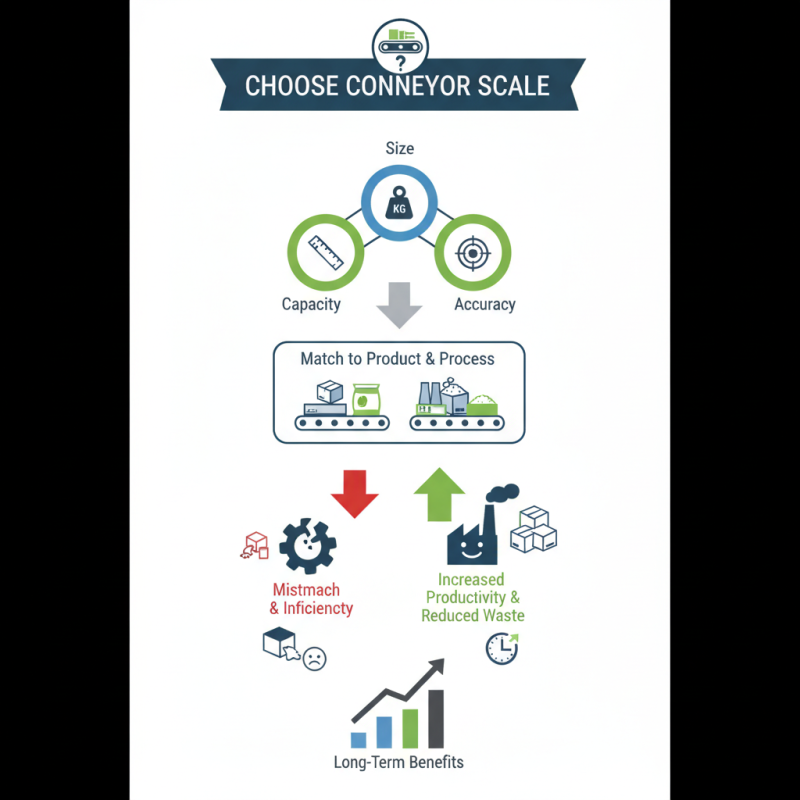
When selecting a conveyor scale, consider factors like size, capacity, and accuracy. It is crucial to match the scale to your specific products and processes. Some scales may not perform well under certain conditions, leading to errors that can impact operations. Potential users often overlook these details, leading to mismatches and inefficiencies.
Investing time in this selection process can yield significant benefits. A well-chosen conveyor scale reduces waste and improves throughput. However, it's easy to get caught up in features and forget practical application. Balancing technical specifications with real-world needs is essential for making the best choice.
Understanding Conveyor Scales: Types and Applications
Understanding conveyor scales is crucial for various industrial applications. These scales measure the weight of materials transported on conveyor belts. They come in different types, each suited for specific industries. For instance, belt scales are prevalently used in mining and aggregate sectors due to their accuracy and robustness. According to industry reports, the global conveyor scale market is projected to reach $2 billion by 2026, indicating rapid growth in demand.
Another popular type is the dynamic scale, which allows for continuous weight measurements without interrupting the material flow. This feature is particularly beneficial in fast-paced manufacturing environments. Data shows that these scales can improve operational efficiency by up to 15%. However, choosing the right scale involves understanding the specific requirements of your operation. Factors like speed, load capacity, and environmental conditions must be considered. These details can significantly affect accuracy and reliability.
Despite their advantages, conveyor scales are not without challenges. Calibration and maintenance can be time-consuming, and incorrect installation may lead to inaccuracies. A study highlighted that 20% of conveyor scale errors stem from improper setup. Facilities must ensure proper training for staff in scale operations. Regular checks and updates enhance reliability and performance. It's essential to reflect on these aspects when selecting a conveyor scale for your industrial needs.
Factors to Consider When Selecting a Conveyor Scale
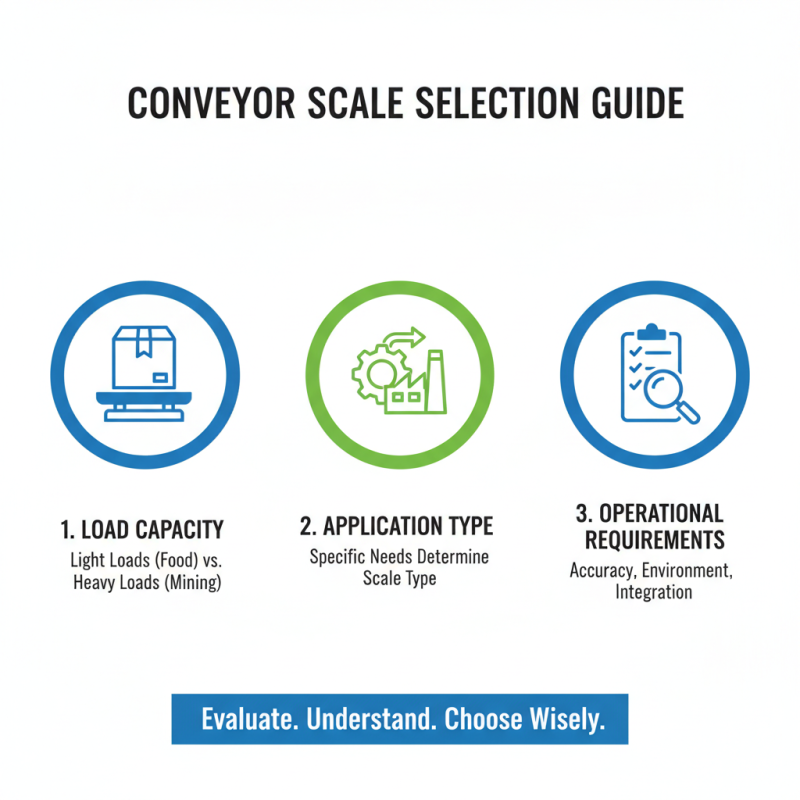
Choosing the right conveyor scale involves careful consideration of several factors. Start by evaluating the load capacity required. Different applications demand different weight limits. For example, food processing environments may require lighter scales, while heavy industries need robust systems. Understanding your specific requirements will narrow down the options significantly.
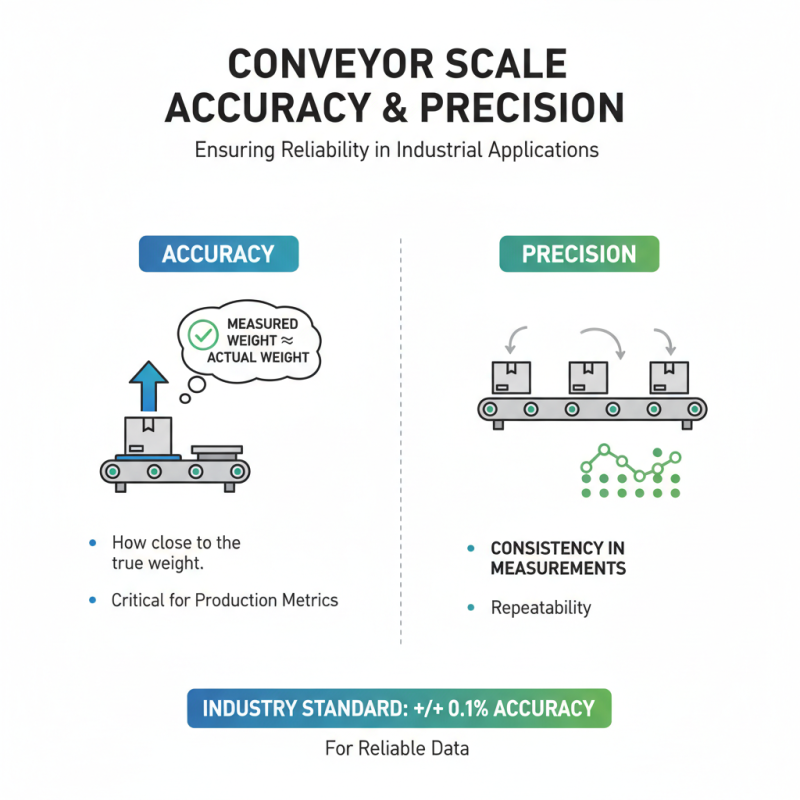
Accuracy is another crucial factor. The precision of a conveyor scale affects overall efficiency. If a scale is inaccurate, it can lead to significant discrepancies in inventory. Poor accuracy may also result in regulatory compliance issues. Ensure the scale meets industry standards to avoid future problems.
Also, consider the environment where the scale will be used. Exposure to dust, moisture, or extreme temperatures can impact performance. Selecting a scale designed for your unique operational conditions is vital. It's easy to overlook these details, but they can greatly affect reliability. A well-suited conveyor scale enhances productivity and minimizes errors, contributing to overall success in industrial operations.
Integration of Conveyor Scales with Existing Systems
When integrating conveyor scales with existing systems, compatibility is crucial. It’s essential to consider the current equipment's specifications. Ensure that the conveyor scale can seamlessly connect to your existing infrastructure. This compatibility helps in maintaining efficiency during operations. Unexpected compatibility issues can cause delays and disruptions.
Tips: Evaluate your system’s layout before selecting a conveyor scale. Take measurements and make a list of your requirements. Consultation with an expert can help clarify any doubts you may have. Sometimes, doing it alone can lead to overlooking essential details.
Another important aspect is data integration. Many conveyor scales come with software that can interface with existing management systems. This integration allows for real-time data collection. Ensure that the software is user-friendly and suits your operational needs. Limited software features can hinder productivity.
Tips: Test the software before finalizing your conveyor scale. Understand its capabilities and limitations. Sometimes, there could be glitches that only show up during actual use. Be prepared to adapt your processes accordingly.
Maintenance and Calibration for Optimal Performance
When it comes to maintaining conveyor scales, consistent calibration is vital for accuracy. Regular checks ensure that the weights measured match the products being transported. This prevents discrepancies that could lead to financial losses or operational inefficiencies. Every industry has specific standards, so aligning your calibration methods with those is essential.
Tips: Use certified weights for calibration. They provide a benchmark for accuracy. Schedule checks during low-traffic hours to minimize disruptions. It’s important to document all calibration activities. This creates a reliable history of performance and accountability.
Maintenance plays a crucial role in achieving optimal performance. Regular cleaning of the scale can prevent build-up of debris, which might skew weight measurements. Pay attention to mechanical parts as well; they wear out over time. A small issue can escalate if not addressed promptly. Consider implementing a routine maintenance schedule.
Tips: Regularly inspect load cells and belts for wear and tear. Keep a maintenance log, noting any repairs or adjustments. Involve your team in training, so everyone understands the importance of maintaining the scale.
Conveyor Scale Performance Metrics



 +86-19862000127
 Phone
Phone Email
Email