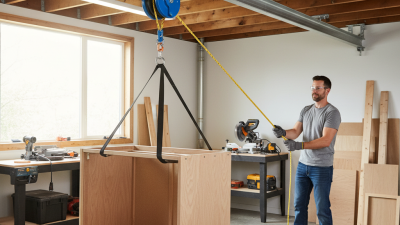
Essential Tips for Choosing the Right Lifting Pulley?
Choosing the right lifting pulley is crucial for efficiency and safety in various lifting operations. A lifting pulley can enhance your rigging setup, making tasks easier. However, not all lifting pulleys are created equal. Each type serves specific purposes, and selecting the wrong one can lead to complications.
When considering a lifting pulley, you must assess your project’s needs. Think about the weight you need to lift and the environment in which you’ll be working. Different materials and designs can impact performance. Moreover, understanding the load capacity is vital. If you underestimate this factor, it could lead to accidents.
Consider the quality and reputation of the manufacturer, as well. Researching different brands can provide insight into reliability. Users often share their experiences, which can highlight potential pitfalls. Trustworthy reviews can guide your decision-making process. A well-informed choice can enhance not just efficiency, but also safety in your work.
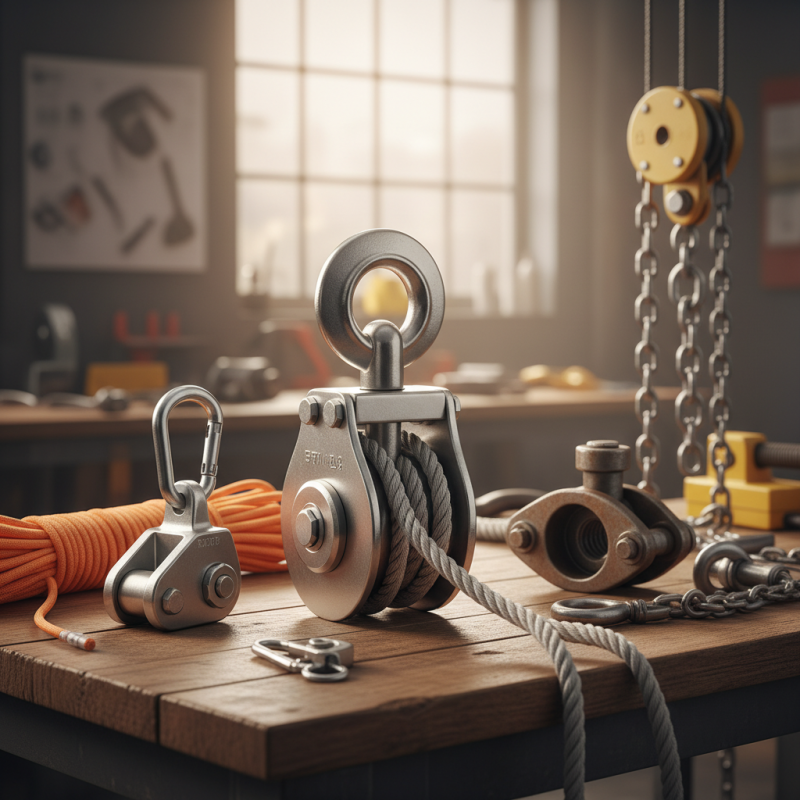
Factors to Consider When Selecting a Lifting Pulley
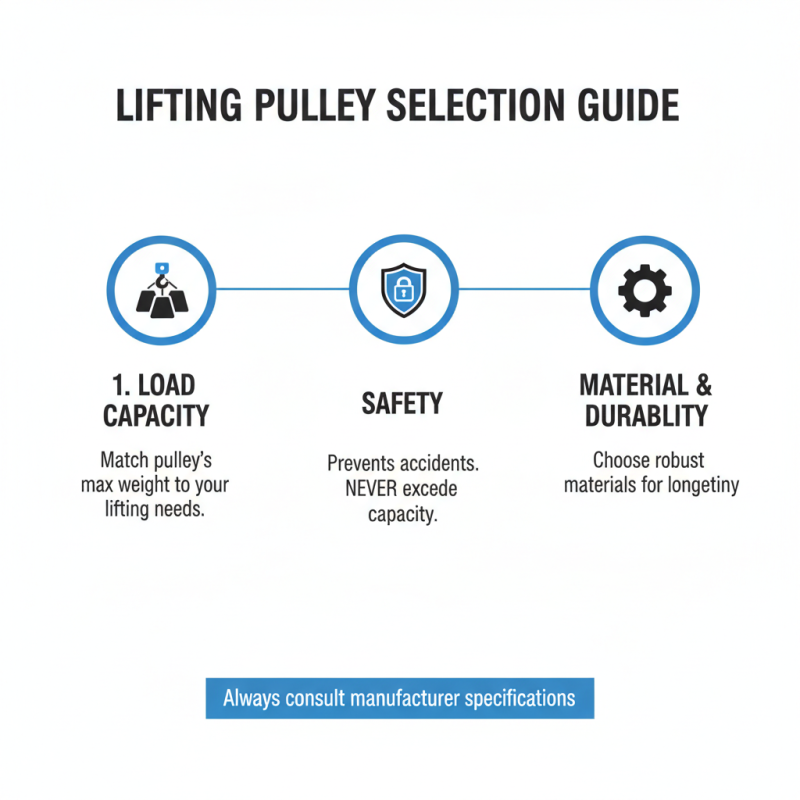
When selecting a lifting pulley, several factors come into play. The load capacity is crucial. Ensure the pulley can handle the weight you plan to lift. It’s not just about lifting; safety is paramount. A pulley that can't support the load can lead to accidents.
Material quality is another aspect to consider. Pulleys come in metal and plastic options. Metal often provides durability, but plastic can be lightweight and resistant to corrosion. The environment plays a role too. A pulley used outdoors should withstand weather conditions. Humidity and temperature variations affect performance.
Choose the right size. A well-fitted pulley optimizes efficiency during lifting tasks. Too small can strain the system, while too large leads to wasted space. Don't forget about the ease of installation and maintenance. Complicated setups can deter regular use. Regular checks on your pulley’s condition are vital. They help prevent unexpected failures during operations.
Types of Lifting Pulleys and Their Specific Uses
When selecting a lifting pulley, understanding the types available is crucial. There are several categories, each tailored for specific tasks. For instance, fixed pulleys are commonly used for lifting heavy loads vertically. They offer minimal mechanical advantage but are simple and reliable. This makes them suitable for straightforward applications where precision is not essential.
Move to block and tackle pulleys, which provide significant mechanical advantage. These are beneficial for lifting heavier items with reduced effort. They are essential in construction sites and warehouses where heavy lifting is frequent. A key consideration is the number of lines in the system. More lines can mean less effort, but they also complicate the setup.
Another type includes the compound pulleys. They combine the benefits of fixed and movable pulleys. However, using them requires careful planning. Miscalculations in load capacity can lead to failures. A thorough understanding of the specifications is vital for safe usage. In conclusion, consider your specific needs and the details of each type before making a decision.
Assessing Weight Capacity and Load Safety Factors
When evaluating lifting pulleys, assessing weight capacity is crucial. Knowing how much weight the pulley can handle helps ensure safety during use. You should always consider the maximum load. Make sure to check for any safety factors. Typically, a safety factor of 5:1 is recommended. This means if your load is 1000 lbs, the pulley should handle at least 5000 lbs.
Remember, underestimating the load can lead to failure. Pulleys experience different stresses during operation. A too-small pulley can bend or break. It's vital to account for dynamically loaded pulleys, as they can be heavier than static ones.
Tips for choosing the right pulley include consulting with experts and examining user reviews. Check for certifications and compliance with industry standards. It's also wise to evaluate your specific needs. Different tasks require different pulleys.
Take time to reflect on your choices. Rushing may lead to unsafe selections. Always prioritize quality over price, as investing in a reliable pulley offers peace of mind.
Material Selection for Durability and Performance
Choosing the right lifting pulley involves careful material selection. Durability and performance are critical factors. Common materials used include stainless steel, aluminum, and nylon. Each has unique properties that affect performance.
For heavy loads, stainless steel is ideal. It resists corrosion and holds high weight. Aluminum is lightweight and easy to handle, but may not support extreme weights. Consider your environment. If humidity or chemicals are present, opt for rust-resistant materials.
Tip: Always check the load capacity of your pulley. Overloading can lead to failures. Understand the conditions in which your pulley will operate. This knowledge allows you to select a material that meets your specific needs. Quality materials can reduce maintenance costs over time. Choosing wisely is vital for safety and efficiency.
Maintenance Tips for Long-lasting Lifting Pulleys
Regular maintenance is crucial for ensuring the longevity of lifting pulleys. Many users overlook this aspect, leading to premature wear and potential hazards. Inspect pulleys regularly for signs of wear, such as frayed cables or rusted parts. Keep pulleys clean and free from debris that could hinder performance.
Avoid overloading lifting systems. It compromises the integrity of the pulley and can cause sudden failures. Also, lubricate moving parts regularly. This simple task can prevent friction damage and ensure smooth operation.
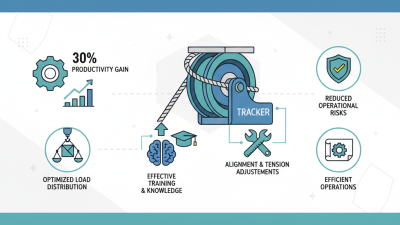
Consider environmental factors too. Exposure to harsh weather can affect pulley materials. If possible, store them in a dry, protective environment. Additionally, train staff on proper usage. Educating users about handling and operating pulleys reduces mistakes and accidents. Maintaining lifting pulleys is an ongoing commitment, not a one-time task.
Essential Tips for Choosing the Right Lifting Pulley



 +86-19862000127
 Phone
Phone Email
Email