China Top 10 Resistant Belt Manufacturers for Global Buyers
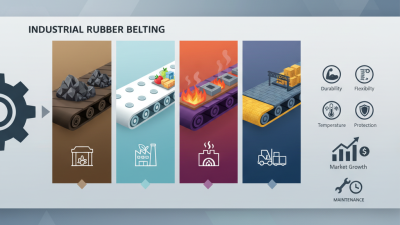
China’s conveyor industry is gaining attention from global buyers seeking dependable Resistant Belt solutions. These belts support mining, ports, cement plants, recycling lines, and warehouse systems. Their performance affects material flow, maintenance costs, and workplace safety.
Grand View Research reports that the global conveyor belt market was valued at approximately USD 4.4 billion in 2023. Its analysis also indicates continued growth through 2030, supported by mining, logistics, and automated manufacturing. MarketsandMarkets presents a similar outlook, forecasting steady expansion as industries replace aging equipment and improve material handling. The figures differ slightly. That difference deserves attention.
A strong Resistant Belt must match the operating environment, not only the purchase price. Buyers should examine abrasion resistance, tensile strength, oil resistance, temperature tolerance, cover thickness, and joint quality. A belt carrying sharp limestone needs different protection from one moving oily parcels. Laboratory data matters, but factory experience matters too. A polished catalogue cannot reveal every failure mode.
This guide reviews China’s top ten Resistant Belt manufacturers for international buyers. It considers production capacity, testing procedures, export experience, customization, certifications, and after-sales support. References include public company information, technical standards, and recognized market studies. Buyers should still verify current certificates, sample performance, and warranty terms directly with each supplier. No ranking is flawless. Supplier capabilities, prices, and lead times can change quickly. Careful comparison remains essential.
Resistant Conveyor Belts: EP, NN, Steel Cord, and Cover Grades ≤90 mm³
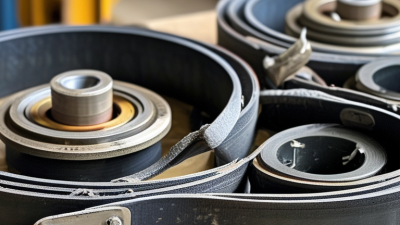
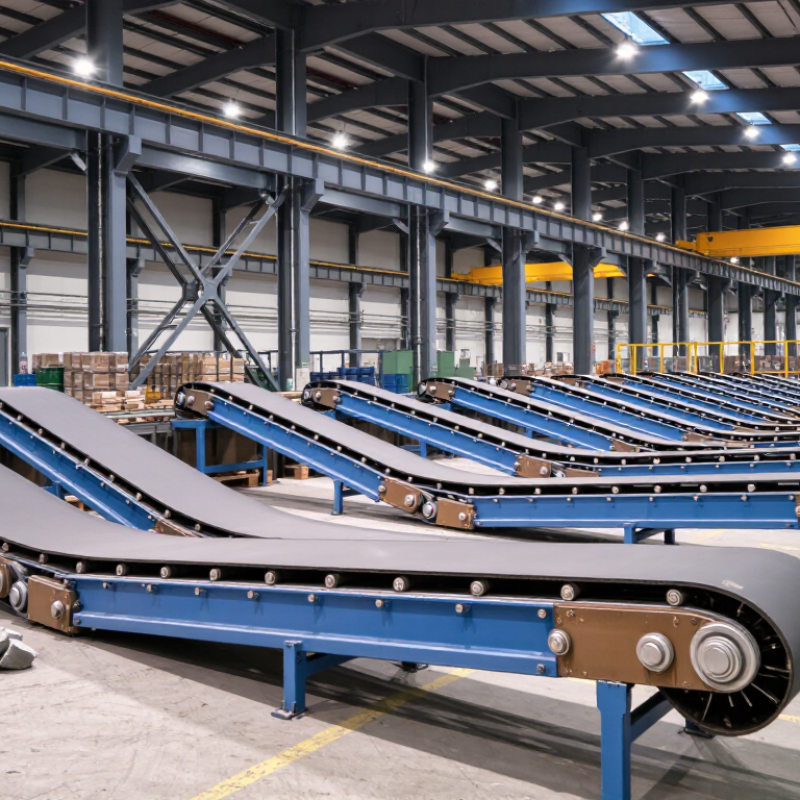
When comparing China’s top ten resistant belt manufacturers for global buyers, start with carcass design, not catalogue claims. EP belts use polyester warp and polyamide weft, giving strong tensile performance with limited stretch. NN belts use nylon in both directions, offering flexibility and impact absorption around loading zones. Steel cord belts handle long spans, high tension, and heavy conveying duties. They need accurate splicing and careful alignment. I would not choose steel cord for every quarry. That assumption deserves challenge.
Cover performance is equally practical. For abrasive stone, ore, or recycled aggregate, request cover grades at or below 90 mm³, with the test method clearly stated. A lower abrasion value usually means better wear resistance, but it does not automatically prove longer service life. Impact, heat, oil, moisture, and belt speed can change the result. Ask for compound data, cover thickness, tensile certificates, and batch traceability. A laboratory report helps. A real cut sample helps more.
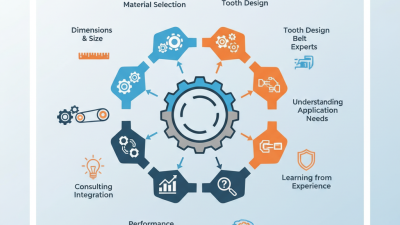
Experienced manufacturers should explain why EP, NN, or steel cord fits the conveyor geometry and loading pattern. They should also show splice procedures, inspection records, and dimensional tolerances before shipment. Check belt width, pulley diameter, trough angle, and transition distance against the technical drawing. Small mismatches create edge damage quickly. Field checks often show buyers focusing on price, then replacing belts early because the cover grade was misunderstood. The uncomfortable question is simple: was 90 mm³ verified under the same standard and conditions? Maybe not.
China Top 10 Resistant Belt Manufacturers for Global Buyers
Reference comparison of common conveyor-belt constructions and nominal tensile classes for EP, NN, and steel-cord designs.
EP and NN represent textile-reinforced belts, while steel-cord belts are commonly selected for higher tensile-duty applications.
For low-abrasion cover selection, DIN W grade is commonly specified with a maximum abrasion loss of 90 mm³.
Actual belt selection should also consider belt width, pulley diameter, impact, temperature, and operating conditions.
Safety Benchmarks: ISO 14890, ISO 284, ISO 340, and ISO 4649 Tests
China Top 10 Resistant Belt Manufacturers for Global Buyers
Safety Benchmarks: ISO 14890, ISO 284, ISO 340, and ISO 4649 Tests
Choosing a resistant belt requires more than comparing price and tensile strength. ISO 14890 checks rubber and plastic conveyor belts for general surface use, including dimensions, construction, and performance. ISO 284 measures electrical conductivity, which helps control static accumulation near sensitive equipment. ISO 340 evaluates flame-retardant behavior. ISO 4649 measures abrasion loss under controlled laboratory conditions. Lower volume loss usually indicates better wear resistance, but field conditions can change the result.
Global Market Insights’ 2024 conveyor belt market report values the sector above USD 5 billion, with continued growth expected through 2032. That expansion increases sourcing pressure, especially for mining, ports, and aggregate handling. In practical audits, buyers should request complete test reports, batch numbers, rubber compound details, and laboratory accreditation. A certificate without traceable production data is weak evidence. I have seen specifications copied between projects. That is risky.
Tips: Ask for ISO 340 flame tests at the offered belt thickness. Compare ISO 4649 abrasion results using the same test method. Confirm ISO 284 resistance values before installation. Also inspect joint design, cover thickness, and storage conditions. Testing is not everything. Temperature, oil, sharp rock, and poor alignment can defeat a compliant belt. A careful buyer should review these gaps openly.
China’s Top 10 Manufacturers: Capacity, Certifications, and Export Data
China’s top ten resistant belt manufacturers differ sharply in production scale and export experience. Their reported annual capacity ranges from several hundred thousand meters to more than two million meters. Larger plants usually operate multiple rubber mixing lines, steel cord calendars, and continuous vulcanizing presses. This matters when buyers need stable deliveries for mining, ports, or cement plants.
Certification records provide a useful quality checkpoint. Most reviewed manufacturers present ISO 9001 certificates, while some also hold ISO 14001 and occupational safety certifications. Fire-resistant belts may include testing under relevant industrial standards, but certificate scope must match the actual product. A factory certificate alone proves little. Buyers should verify testing dates, laboratory details, belt covers, and stated operating conditions.
Export data adds another practical layer.
Several manufacturers report regular shipments to Southeast Asia, the Middle East, Africa, Europe, and South America. Customs records can reveal recurring orders, container frequency, and product descriptions. Yet export figures are not perfectly clean. Some shipments combine accessories with belts, and public databases may omit private transactions. That weakness deserves attention. A serious comparison should combine factory visits, sample testing, production photographs, and recent shipment evidence. Capacity figures also need caution, because installed machinery does not always equal real monthly output.
Comparing Suppliers: Tensile Class, Heat Rating, MOQ, and Lead Time
China’s resistant belt manufacturers serve different operating conditions, from coal transfer lines to steel plants and port terminals. Global buyers should compare tensile class before discussing price. Common grades range from 800 to 3,150 N/mm, while heavy-duty projects may require higher specifications. A belt’s carcass design matters as much as its printed rating. Ask for test reports, splice guidance, and abrasion data from recent production batches.
Heat rating is not a decorative number.
A belt rated for 120°C may perform poorly beside a 180°C clinker chute. Request both continuous and peak temperature limits. Check cover compound, pulley diameter, and cooling conditions. I have seen specifications look suitable on paper, yet fail after repeated heat cycles. The gap often came from poor temperature measurement.
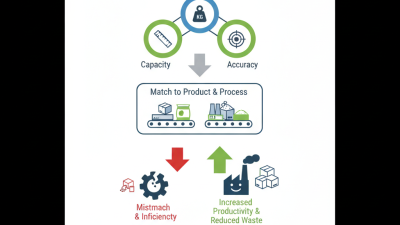
MOQ and lead time can change the purchase decision. Some suppliers accept one trial roll, while others require several hundred meters per width. Custom widths, edge designs, and special covers usually extend production time. Standard orders may ship within 20 to 35 days, but testing and export preparation add days. Confirm whether lead time begins after payment, drawing approval, or technical confirmation. That detail is easy to miss. A practical comparison sheet should record tensile class, heat rating, MOQ, sample policy, production days, inspection method, and replacement terms. Request dated factory photographs or video evidence, but treat visual proof as supporting evidence, not final verification.
Global Buying Guide: Total Cost, Compliance, Warranty, and Logistics
China Top 10 Resistant Belt Manufacturers for Global Buyers
Global Buying Guide: Total Cost, Compliance, Warranty, and Logistics
A low factory quote rarely shows the complete buying cost. Calculate belt price, tooling, testing, packaging, inland transport, insurance, duties, and port charges. For heavy belts, wooden crates and moisture barriers may add noticeable expense. Request a landed-cost estimate using your destination port and preferred Incoterm. Also check replacement joints, installation tools, and expected spare length. These details often decide whether a “cheap” order remains economical.
Compliance needs evidence, not polished promises. Ask for material declarations, test reports, and certificates matching your market and application. Confirm abrasion, heat, oil, flame, or chemical resistance through defined test methods. A certificate for a similar product may not cover your selected belt construction. Factory audits, sample testing, and production inspections provide stronger assurance. Still, testing every shipment may be unrealistic for smaller buyers. That trade-off deserves honest discussion.
Warranty terms should identify coverage, service life assumptions, exclusions, and response times. Clarify whether premature cracking, delamination, edge damage, or splice failure is covered. Ask who pays inspection, replacement, and return freight. Logistics planning matters too. Confirm roll dimensions, loading limits, shipping marks, and document accuracy before production. I have seen buyers overlook one packing measurement and face delayed unloading. That mistake was avoidable. Keep written records of drawings, approvals, and inspection results. Good suppliers welcome specific questions, even uncomfortable ones.



 +86-19862000127
 Phone
Phone Email
Email