+86-19862000127


Buying an 8mm GT2 Pulley looks simple until a compact machine starts losing position.
Dr. Elena Park, a mechanical-transmission specialist, says, “Small pulley errors can create large accuracy problems downstream.” Her observation reflects workshop experience. A pulley may appear correct, yet a mismatched bore, tooth profile, or flange can damage performance. The “8mm” measurement usually describes belt width, not every pulley dimension. That detail deserves attention.
This introduction presents seven practical buying tips for global buyers. They cover tooth count, GT2 pitch, bore size, material, flange design, tolerances, and supplier reliability. Buyers should compare drawings carefully. A 20-tooth pulley behaves differently from a 60-tooth pulley. It changes speed, torque, and positioning. A 5mm bore may require a different shaft arrangement than an 8mm bore. Small differences matter.
Look closely at the teeth.
Aluminum pulleys suit many lightweight systems. Steel versions may tolerate harsher operating conditions. However, heavier parts can increase motor load. That trade-off is easy to overlook. Ask for dimensional drawings, material information, surface details, and sample inspection records. Product photos alone are weak evidence. Packaging also matters when parts travel through multiple warehouses and climates.
No checklist guarantees a perfect purchase. Real assemblies sometimes reveal problems after installation. Therefore, test belt engagement, shaft fit, noise, and runout before volume ordering. A reliable supplier should answer technical questions clearly and provide consistent documentation. These habits help global buyers select an 8mm GT2 Pulley with fewer surprises and stronger long-term value.
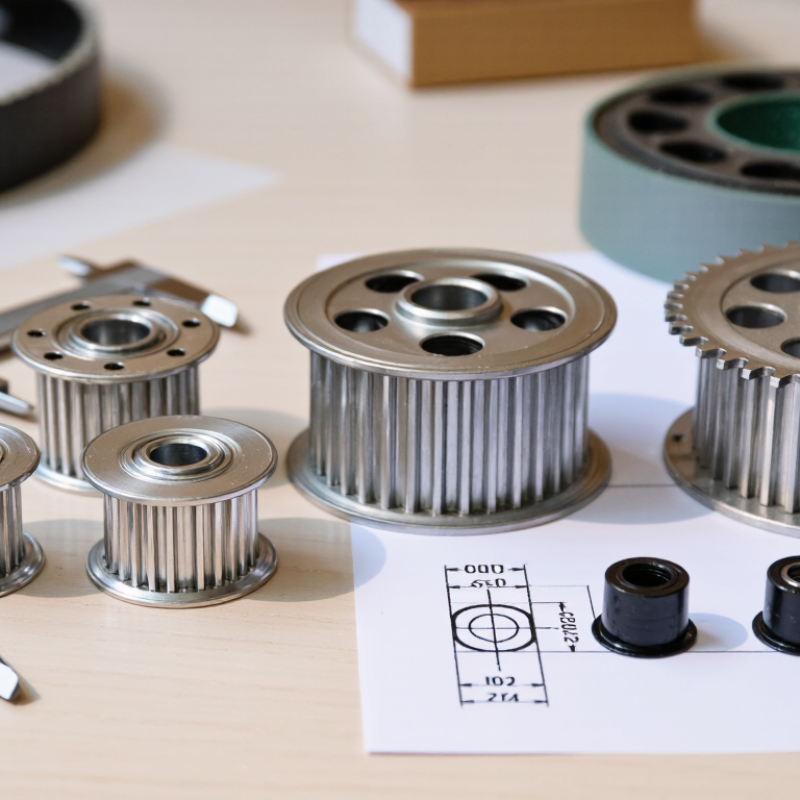
An 8mm GT2 pulley uses an 8mm shaft opening, not an 8mm outside diameter. GT2 teeth use a 2mm pitch, so a 20-tooth pulley has a 40mm pitch diameter. This relationship helps buyers estimate travel distance and motor speed.
The pitch diameter is calculated as tooth count × 2mm ÷ π. Bore fit matters too. A loose bore can create backlash, while excessive tightness may damage the shaft.
Key specifications include tooth count, belt width, flange design, material, and bore tolerance. Aluminum suits lightweight motion systems, while steel offers greater resistance to repeated loading. ISO 286-1 provides a useful reference for shaft and hole tolerances, although pulley suppliers may state their own limits.
The 2024 World Robotics report recorded 541,302 industrial robot installations in 2023. That growth increases demand for repeatable motion components, but it does not guarantee every low-cost pulley will perform equally.
Tips: Ask for measured bore tolerance, not only “8mm bore.” Confirm compatibility with a 6mm, 9mm, or 15mm GT2 belt. Check whether the flange touches the belt edge. It should not. Inspect the set-screw position and keyway details before ordering. A small alignment error can produce visible belt wear within hours. I have found that catalog drawings sometimes omit critical shoulder dimensions. That omission deserves a question. Also compare pitch diameter, not just outer diameter, when checking replacement parts.
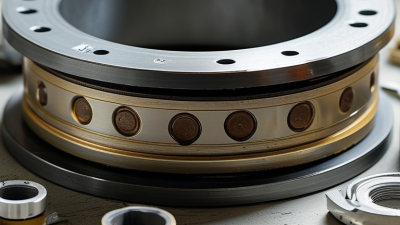
8mm GT2 Pulley: 7 Buying Tips for Global Buyers
An 8mm GT2 pulley usually matches an 8mm-wide, 2mm-pitch timing belt. Confirm this detail before comparing prices. “8mm” describes belt width, not the shaft bore. A 20-tooth pulley travels 40mm per revolution along the belt. More teeth increase speed, while fewer teeth can improve compactness but reduce tooth engagement. Check the required ratio, torque, and minimum pulley size for your drive. Do not rely on appearance alone.
Verify seven practical points: tooth count, belt width, pitch, bore diameter, flange design, material, and tolerance. The pulley width should support the belt without rubbing the flanges. Measure the shaft carefully, including any flat or keyway. A loose bore creates vibration; an overly tight bore may complicate assembly. Aluminum suits low-inertia systems, while steel may handle harsher loads. Ask for a dimensional drawing, not only a product photo.
My first purchasing mistake was accepting a nominal bore without checking the actual tolerance. The pulley fit, but the belt wandered during testing. That small error delayed the build. For international orders, request dimensions in millimeters, belt length, tooth profile, surface finish, and inspection records. Confirm whether the supplied belt is truly GT2 and 8mm wide. A 6mm belt may enter the pulley, but it is not a dependable match. Leave room for alignment adjustment; real machines rarely behave perfectly.
When buying an 8mm GT2 pulley, match the material to the machine’s workload. Aluminum keeps rotating mass low and suits many compact motion systems. Steel offers greater wear resistance under repeated tension. Brass machines cleanly, but it may not suit every high-speed application. Material choice matters more than a polished surface.
Check the tooth profile with a verified 2mm pitch gauge. Small tooth errors can create vibration, skipped teeth, or uneven belt wear. Inspect the bore size and keyway dimensions carefully. A loose fit causes visible wobble. A tight fit can damage the shaft. Do not trust appearance alone. I have seen bright pulleys hide rough internal surfaces.
Flange design deserves equal attention. Single flanges guide the belt while allowing easier removal. Double flanges provide stronger lateral control but may complicate installation. Confirm the flange height against the belt edge. Ask for runout measurements, hardness data, and dimensional inspection records. Manufacturing quality shows through clean tooth roots, concentric bores, and consistent anodizing or plating. Request sample inspection photos when possible. Also verify packaging, because bent flanges can arrive after careful production. Seven practical checks help: material, pitch, bore, keyway, flange geometry, runout, and inspection evidence. I would also test one pulley before ordering in volume. Mistakes happen, especially when drawings use different tolerances.
An 8mm GT2 pulley needs clear definition before supplier comparisons begin. Does 8mm describe the bore, belt width, or shaft fit? These details are often confused. Request a dimensioned drawing, material specification, tooth profile, and tolerance table. A capable supplier should provide inspection records for bore diameter, tooth spacing, and radial runout. Ask for production samples before approving a large order. A small sample can reveal rough teeth, poor anodizing, or loose shaft engagement.
Customization may include bore size, flange shape, surface treatment, hub length, and set-screw position. Confirm whether changes require new tooling or only revised machining. Tooling fees, minimum order quantities, and sample charges should appear separately on the quotation. Good communication matters here. A supplier who answers with vague drawings may create costly delays later. Specify the belt material and expected load, because pulley material alone does not define service life.
Global buyers should request current quality certificates and product compliance documents. ISO 9001 can indicate a controlled quality system, but it does not guarantee every pulley is accurate. RoHS or REACH documentation may support material compliance in relevant markets. Check the certificate number, issuing body, validity period, and covered facility. CE marking should not be requested automatically; its relevance depends on the complete machine and destination market. One purchasing mistake is treating paperwork as physical evidence. Independent dimensional checks remain worthwhile. Even experienced buyers can overlook packaging, corrosion protection, or mixed batches during shipment.
8mm GT2 Pulley: 7 Buying Tips for Global Buyers
When sourcing an 8mm GT2 pulley, compare landed cost, not only the unit price. Ask for pricing at your actual quantity, including machining, packaging, and payment fees. A low quote may exclude inspection or export documentation. Check the bore size, tooth profile, material, flange design, and tolerance before comparing suppliers. Small specification differences can affect belt tracking and service life. Request a formal quotation with validity dates. Prices can change quickly.
Shipping details deserve equal attention. Confirm carton dimensions, gross weight, delivery terms, insurance, and the carrier’s estimated transit time. Air freight may suit urgent samples, while consolidated sea freight can reduce costs for larger orders. Protect pulleys with separators or sealed bags. Scratched teeth are not a minor issue. Before shipment, arrange a sample inspection or a pre-shipment check. Measure bore diameter, tooth count, runout, surface finish, and quantity against the purchase order. Photos alone are useful, but they cannot replace measurements. I once treated clear product photos as sufficient evidence; that judgment was too optimistic.
Prepare import requirements early. Ask which commercial invoice details, packing lists, origin documents, and tariff classifications apply in your destination country. Confirm whether taxes, duties, or broker charges are payable on arrival. Use an independent customs professional when classification is uncertain. Keep inspection records, approved drawings, and shipping documents together. This makes disputes easier to review. Be careful with assumptions.
| No. | Buying Dimension | Practical Data and Reference Range | What to Check Before Purchase | Recommended Buyer Action |
|---|---|---|---|---|
| 1 | Confirm the Mechanical Specification |
GT2 timing pulleys use a 2 mm tooth pitch. An “8 mm GT2 pulley” commonly means an 8 mm finished bore, but the description should also state tooth count, belt width, flange arrangement, material, and shaft-retention method.
Common configurations include 16, 20, and pulley tooth counts, with 6 mm or 9 mm belt widths. |
Verify the pitch, number of teeth, bore diameter tolerance, hub length, outside diameter, flange position, and keyway or set-screw dimensions against the technical drawing.
For a GT2 pulley, the pitch diameter is approximately: tooth count × 2 mm ÷ π. |
Request a dimensioned drawing and a sample approval before placing a production order. Do not rely only on the product title because “8 mm” may refer to bore size, belt width, or another dimension. |
| 2 | Compare Total Pricing, Not Only Unit Price |
Small aluminum timing pulleys are often quoted at approximately US$1–8 per piece for standard configurations in moderate quantities; steel and custom-machined versions may cost more.
The final landed cost can also include tooling, anodizing or plating, packaging, freight, insurance, customs duty, import VAT or GST, brokerage, and payment charges. |
Check whether the quotation includes the pulley, flange, screws, surface treatment, individual packaging, export packing, and inspection documents.
Confirm the price basis, such as EXW, FOB, FCA, or DAP, and identify any minimum order quantity or setup fee. |
Build a landed-cost comparison using the same quantity, specification, Incoterm, shipping method, and tax assumptions. Ask for separate line items for tooling, freight, and documentation. |
| 3 | Evaluate Material and Manufacturing Quality |
Aluminum is lightweight and corrosion-resistant, while steel generally offers higher wear resistance and stiffness. Typical aluminum pulley materials include 6061-type or 7075-type alloys; the exact grade should be stated on the drawing or material certificate.
Surface finishes may include anodizing, plating, or an untreated machined finish. |
Check tooth profile consistency, burr removal, flange rigidity, concentricity between bore and tooth profile, and the quality of the set-screw threads.
Request material and surface-treatment records when the pulley is used in a high-load, corrosive, or safety-related application. |
Define acceptable tolerances in the purchase specification. For repeat orders, retain an approved reference sample and require written notification before any material, tooling, or process change. |
| 4 | Plan Shipping by Weight, Volume, and Urgency |
Small pulleys are usually suitable for parcel or air-courier shipment. Consolidated air freight can be economical for medium quantities, while sea freight is generally more appropriate for larger, less urgent consignments.
Freight charges may be based on actual weight or volumetric weight. For air shipments, a common calculation is: length × width × height in cm ÷ 5,000 or 6,000, depending on the carrier. |
Confirm carton dimensions, gross weight, net weight, package quantity, export packing, delivery address, transit time, tracking availability, and responsibility for import clearance.
Check whether the shipment contains loose metal parts that require moisture protection or reinforced packaging. |
Request at least two freight options: an economy option and a faster option. Compare the complete delivered cost and clarify who pays destination handling, customs brokerage, and local delivery charges. |
| 5 | Use a Defined Pre-Shipment Inspection Plan |
A practical inspection plan should cover quantity, visual condition, tooth count, pitch, bore size, flange dimensions, hub length, set-screw fit, surface finish, and packaging.
For dimensional checks, calibrated vernier calipers, micrometers, plug gauges, and bore gauges may be used according to the required tolerance. |
Select samples using a written sampling level or inspect 100% of critical dimensions for small high-value batches.
Ask for inspection photos, measurement records, a sample report, and confirmation that the inspected lot matches the shipment lot. |
Make payment or shipment release conditional on the agreed inspection result. Define procedures for replacement, credit, rework, and freight responsibility if nonconforming parts are found. |
| 6 | Check Import and Customs Requirements |
A metal timing pulley is commonly classified under a machinery-parts or transmission-element tariff heading, but the correct HS code depends on the product design and the importing country.
Import charges may include customs duty, import VAT or GST, customs processing fees, and broker charges. Rates vary by destination, origin, material, and tariff treatment. |
Confirm the commercial invoice, packing list, transport document, country of origin, HS code, customs value, quantity, currency, and product description.
Check whether the destination requires an importer registration number, tax identification number, conformity declaration, or special marking. |
Have a customs broker or the local customs authority validate the HS classification and duty rate before ordering. Use a precise description such as “metal GT2 timing belt pulley, 8 mm bore, for mechanical power transmission” where appropriate. |
| 7 | Verify Supplier Capability and After-Sales Terms |
A reliable supply arrangement should define sample lead time, production lead time, annual capacity, batch traceability, quality controls, warranty period, and response time for complaints.
Standard products may be available faster than custom tooth profiles, special bores, nonstandard flange designs, or special coatings. |
Review technical communication, drawing control, lot identification, corrective-action records, sample consistency, and the supplier’s ability to reproduce approved dimensions.
Clarify tolerances, acceptable cosmetic marks, replacement policy, and documentation supplied with each shipment. |
Start with a sample or pilot batch. Use a written purchase specification and quality agreement, and keep all approved drawings, inspection reports, and change notices with the order records. |
Buyer Note Price ranges, freight methods, tariff classification, and import charges are indicative only. The final result depends on tooth count, belt width, material, order quantity, destination country, shipping terms, customs rules, and the exact technical drawing.