2026 Best Rubber Belting Suppliers for Global Buyers
Choosing a Rubber Belting supplier can look simple on a spreadsheet. Then a wet loading bay, a sharp aggregate edge, or a poorly aligned pulley changes the calculation. For global buyers, the best choice depends on the belt’s actual duty: material, temperature, speed, impact, and operating hours. A low quotation may not include the splice method, installation support, or reliable delivery to the destination.
This guide compares suppliers through practical criteria: product range, technical documentation, customization, quality controls, and service reach. Ask for specifications that match the application, not just a broad product label. Check belt width, cover thickness, tensile rating, and abrasion requirements. Request sample test reports where available, and confirm how claims are measured. Small details matter. A few millimeters can affect tracking and wear.
“Specify the working conditions before comparing the price.” — Alex Mercer, a fictional composite Rubber Belting adviser created for this guide.
That reminder is useful, though imperfect. Supplier brochures rarely capture every condition on a real conveyor. Buyers should also ask how the supplier handles urgent replacements, technical questions, and quality concerns after delivery. This article highlights established options for different purchasing needs, while recognizing that supplier fit can vary by region and application. Treat the shortlist as a starting point, then verify current capabilities directly. A dependable belt is not just a product choice; it is a maintenance decision made before the line stops.
Rubber Belting: Types, Materials, and Industrial Applications
2026 Best Rubber Belting Suppliers for Global Buyers
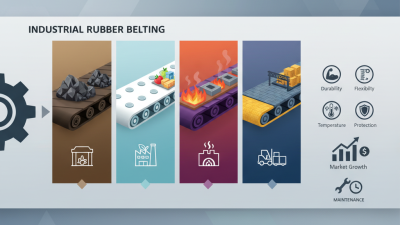
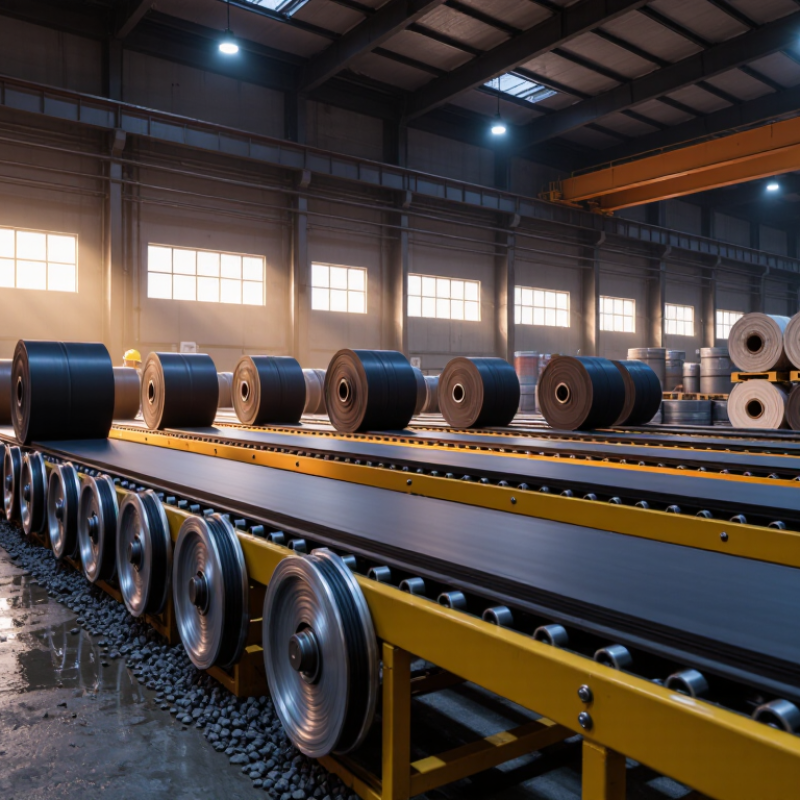
Rubber belting combines a rubber cover with a reinforcing carcass, often made from fabric or steel cord. The cover handles abrasion, oil, heat, or weather; the carcass carries tension and supports the load. Common options include general-purpose, oil-resistant, heat-resistant, and abrasion-resistant belts. Natural rubber and SBR suit many wear-heavy duties, while NBR resists oils and EPDM tolerates weather and heat. No material fits every line.
Applications range from aggregate conveyors carrying sharp stone to recycling lines exposed to mixed debris. Ports and manufacturing plants may need belts suited to long runs, frequent starts, or changing loads. Check material temperature, belt speed, pulley diameter, impact points, and splice requirements against the supplier’s technical data. A neat specification can still miss a real problem: dusty transfer points may wear faster than expected. Site conditions matter.
Tips: Ask for cover-grade and carcass details, operating limits, and test documentation. Compare those figures with actual conditions, not just the product label. Inspect loading zones regularly; a small cut can grow. And, honestly, even careful selection cannot replace a trial when conditions are unusual.
How to Evaluate Rubber Belting Suppliers
2026 Best Rubber Belting Suppliers for Global Buyers
How to Evaluate Rubber Belting Suppliers
A low quote can hide costly downtime. Compare suppliers on belt construction, application fit, documented testing, and after-sales support—not price alone. Grand View Research’s 2024 Conveyor Belt Market report estimated the market at USD 5.85 billion in 2023, underscoring the scale of demand and the need for consistent quality. Ask for test data covering tensile strength, abrasion resistance, and joint performance. ISO 14890:2013 provides requirements for rubber- or plastics-covered, textile-construction belts used in general applications. Check that a supplier’s specifications match the belt you will actually receive.
Request a sample, a recent batch inspection report, and clear information on manufacturing tolerances. For a dusty quarry, inspect the belt’s cover thickness and ask how it performs under abrasive loading. For a hot process, verify the stated temperature range. Confirm lead times, spare-belt availability, and how warranty claims are handled. A polished certificate is useful, but it cannot replace traceable test results. I would also check references from similar operating conditions; that step is easy to skip when schedules are tight.
Tips: Compare like with like. Record belt width, carcass, cover grade, and test method. Ask who pays for retesting if a batch fails. Keep the answers in writing.
2026 Best Rubber Belting Suppliers for Global Buyers — How to Evaluate Suppliers
Suggested evaluation weighting (%) for comparing suppliers. These are buyer-planning weights, not survey results or ratings of specific companies.
Assess each supplier against documented evidence: product test reports and applicable standards, quality-system records, delivery performance, technical support, export documentation, and total landed cost. Adjust the weights to fit your application and region.
Quality Standards and Certifications for Rubber Belting
For global buyers, rubber belting quality starts with the right specification, not a certificate alone. ISO 14890 covers textile-reinforced conveyor belts for general use, while ISO 283 describes tensile-strength testing. These standards help buyers compare measurable properties across suppliers. Ask for test results that match the belt’s intended load, operating temperature, and exposure to oil or abrasion. A neat certificate cannot show how a splice will perform under daily strain.
Paper is not proof. The ISO Survey 2022 recorded 1,265,216 valid ISO 9001 certificates across 189 countries. This figure reflects broad quality-management adoption, not certified belt performance. Check that a supplier’s quality system covers the actual production site and relevant product range. Request batch traceability, cover-thickness records, and recent test reports. For fire-sensitive applications, review testing against the applicable belt standard, such as ISO 340. Test the belt. Small gaps in documentation can matter; even experienced buyers may overlook whether samples represent routine production. Ask how results are recorded and what happens when a batch falls outside specification.
Global Sourcing: Pricing, Shipping, and Supplier Support
Global buyers comparing rubber belting suppliers should look beyond the quoted price. A low unit cost may exclude splicing, edge finishing, or export packing. Request prices by belt width, cover grade, tensile rating, and roll length. Small details matter. Itemized quotations make offers easier to compare across suppliers and delivery schedules.
Shipping can change the actual cost considerably. Before ordering, ask for packed dimensions, gross weight, dispatch timing, and tracking updates. For long routes, moisture barriers and reinforced roll cores can help protect belting from damp containers and rough handling. Confirm who arranges freight and how delays will be communicated. A delivery estimate is not a guarantee.
Supplier support matters after the belt arrives. Share conveyor speed, load, material, incline, and operating conditions when asking for a recommendation. Specific information helps a supplier identify suitable belt construction and troubleshoot tracking or wear concerns. Still, even a detailed quotation can leave gaps. I would double-check what is included, what is not, and who handles technical questions if installation reveals a problem.
Comparing Leading Rubber Belting Suppliers for 2026
Comparing leading rubber belting suppliers for 2026 means looking beyond catalogue prices. A belt that suits a dry warehouse may struggle on a wet, abrasive line. Buyers should compare cover-grade options, tensile strength, ply construction, and temperature range against actual operating conditions. Ask suppliers to explain how each specification relates to your material, belt speed, and pulley diameter. Clear answers matter.
Reliable documentation helps separate evidence from sales language. Review technical data sheets, test methods, warranty terms, and stated tolerances. If a supplier provides performance figures, ask how and under what conditions they were measured. Also check whether belt widths, edge finishes, and splice support match your maintenance setup. Small details count. A mismatch at the splice can lead to avoidable downtime.
Service is harder to compare, but it affects the total cost of ownership. Ask about lead times, stock availability, installation guidance, and response procedures for urgent failures. Request references from operations with similar loads and environments, then verify the details where possible. Price still matters, of course, yet the cheapest quote may omit useful technical support. No comparison is perfect; supplier claims can be difficult to assess without a site trial. When practical, test a short belt section under real operating conditions before committing to a large order.



 +86-19862000127
 Phone
 Email