2026 Top Rubber Belting Trends for Global Buyers?
As we approach 2026, the global landscape of Rubber Belting is evolving rapidly. Many buyers are keen to understand these shifts. The demand for high-quality, durable rubber belting solutions is on the rise. Businesses are searching for suppliers that offer resilience and longevity.
Emerging technologies are reshaping Rubber Belting production. Innovative materials improve performance, yet some challenges persist. Environmental concerns lead to a push for sustainable options. Buyers now seek eco-friendly rubber belting that aligns with ethical practices.
It's essential to stay updated about trends. Buyers must navigate complex market dynamics. Price fluctuations and supply chain issues create uncertainty. Understanding these factors is vital for making informed decisions in the Rubber Belting industry.
Emerging Innovations in Rubber Belting Technology for 2026
The rubber belting industry is experiencing significant innovations as we approach 2026. According to a recent report, the global market for rubber belts is projected to reach $12.5 billion by 2026, showing a robust annual growth rate of over 5%. This growth is driven by advancements in materials and manufacturing techniques, which enhance durability and efficiency.
One notable trend is the integration of smart technology into rubber belts. Sensors can monitor wear and performance, allowing for predictive maintenance. This could lead to less downtime and substantial cost savings. Moreover, eco-friendly materials are gaining traction. Many manufacturers are exploring bio-based rubbers and recycling options to minimize environmental impact.
Despite these advancements, challenges remain. The complexity of integrating new technologies can lead to higher initial costs. Additionally, not all companies are ready to adopt these innovations. This hesitation could hinder broader market growth. Balancing innovation with cost-effectiveness is crucial for sustained progress in the rubber belting sector.
2026 Top Rubber Belting Trends for Global Buyers
| Trend |
Description |
Expected Impact |
Emerging Technologies |
| Sustainable Materials |
Increasing use of recycled and bio-based rubber materials to reduce environmental impact. |
Reduction in carbon footprint and appeal to environmentally conscious consumers. |
Recycling technologies and bioengineering advancements. |
| Smart Belting Solutions |
Integration of sensors and IoT technology for monitoring performance and maintenance. |
Enhanced operational efficiency and reduced downtime through predictive maintenance. |
IoT platforms and advanced data analytics. |
| Customization and Flexibility |
Rise in demand for tailor-made solutions to fit specific industry needs. |
Increased customer satisfaction and improved system compatibility. |
Advanced manufacturing techniques like 3D printing. |
| Enhanced Durability |
Developments in rubber compounds to improve wear resistance and lifespan. |
Lower replacement costs and improved reliability in heavy-duty applications. |
Nanotechnology and advanced composites. |
| Cost-Effective Solutions |
Focus on optimizing production processes to reduce costs without compromising quality. |
Increased market competitiveness and accessibility for smaller businesses. |
Automation and lean manufacturing practices. |
Market Growth Projections for Global Rubber Belting Industry till 2026
The global rubber belting industry is poised for significant growth by 2026. Various market studies indicate an increasing demand for rubber belts in industrial applications. Industries such as manufacturing, logistics, and construction are main drivers. These sectors rely on durable and efficient belting solutions.
Innovations in material technology impact product efficacy and lifespan. New formulations enhance resistance to wear and environmental factors. However, challenges remain in sourcing sustainable materials. Companies must balance quality and environmental responsibility. A shift toward eco-friendly production processes is emerging, yet it requires further exploration.
Market dynamics also suggest fluctuations in raw material prices. Buyers should anticipate possible price volatility in rubber supplies. Understanding these trends is crucial for budget planning. The future landscape will be shaped by both technological advancements and market uncertainties in the rubber belting field.
Sustainability Trends Influencing Rubber Belting Manufacturing Processes
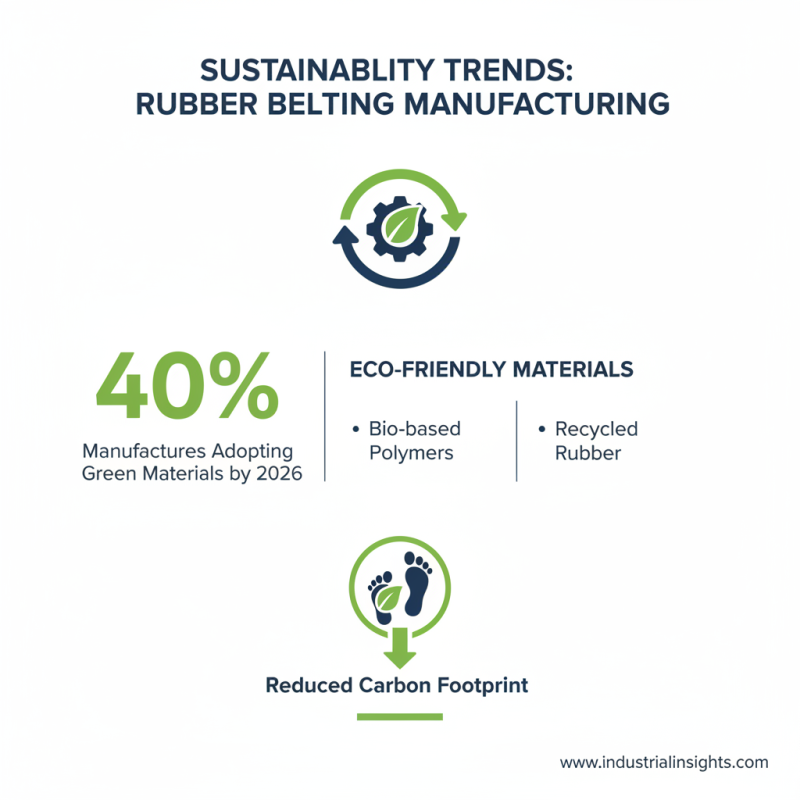
Sustainability is reshaping rubber belting manufacturing processes. Industry reports indicate that approximately 40% of rubber belting manufacturers are implementing green materials by 2026. These eco-friendly materials include bio-based polymers and recycled rubber, which significantly reduce carbon footprints.
Despite these advances, challenges remain. Sourcing sustainable raw materials can be inconsistent and often costly. The conventional manufacturing methods do not always accommodate these new materials, leading to a production gap. Additionally, the energy-intensive nature of rubber processing adds another layer of environmental concern. Many companies are exploring innovative technologies to address these issues, but widespread adoption is still a work in progress.
Moreover, sustainability doesn't just end with materials. The entire production cycle must be evaluated. Many manufacturing facilities are implementing energy-efficient practices to lower emissions. Data suggests that facilities using renewable energy sources can reduce operational emissions by up to 30%. Yet, the transition isn't uniform across the globe. Some regions lag behind due to varying regulations and infrastructure capabilities, creating disparities in sustainable practices in rubber belting manufacturing.
Key Applications of Rubber Belting in Various Industries for 2026
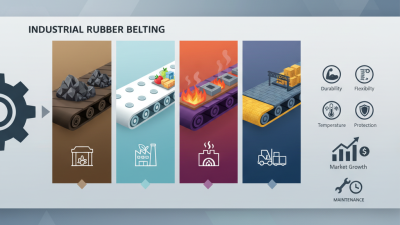
Rubber belting plays a crucial role across various industries in 2026. In manufacturing, conveyor belts facilitate smooth transport of goods. They're vital for automating processes and improving efficiency. Many factories rely on these belts for heavy loads. However, the wear and tear can be concerning. Regular maintenance is essential to avoid unexpected downtime.
In the agriculture sector, rubber belts support machinery, like harvesters. They help in transferring energy and materials efficiently. The reliability of these belts can greatly impact productivity. A sudden failure can disrupt operations, highlighting the need for quality inspection. The precision in belt design also matters. Tailored solutions can enhance performance and longevity.
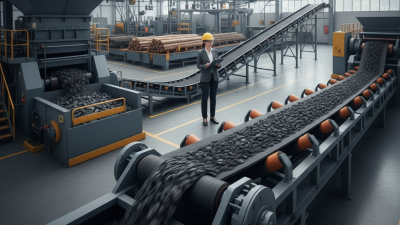
The mining industry uses rubber belting for transporting materials over long distances. These belts withstand harsh conditions, which is impressive. However, their durability can sometimes go unnoticed. Equipping teams with knowledge on maintenance is critical for avoiding accidents. Still, there are challenges in sourcing the right types for specific needs. This requires continuous research and development.
Influence of Automation and IoT on Rubber Belting Solutions in 2026
The rise of automation and IoT in the rubber belting sector is reshaping how businesses operate. In 2026, these technologies will enhance efficiency and reliability in rubber belting solutions. Smart sensors embedded in belts will monitor wear and tear in real-time. This data helps businesses schedule maintenance proactively, reducing downtime.
Businesses must consider the integration of IoT into their existing systems. Adding sensors might require investment, but the long-term benefits are significant. A simple alert system can prevent costly failures. Implementing these innovations will provide a competitive edge, but it requires careful planning and training.
Moreover, automation can optimize production lines. Rubber belts will function seamlessly with machines, adjusting speeds based on real-time analytics. This synchronization minimizes energy consumption and maximizes output. However, companies need to continually assess their training programs to keep up with this fast-paced evolution.


 +86-19862000127
 Phone
Phone Email
Email