Top 5 Pulley Trolley Tips for Efficient Material Handling?
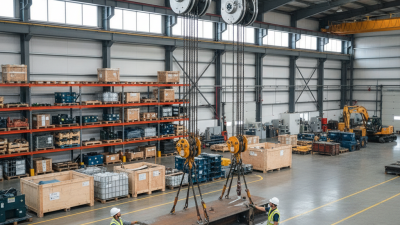
In the realm of material handling, "Pulley Trolley" systems are pivotal for improving efficiency. John Smith, a veteran in material handling solutions, once stated, "Utilizing a pulley trolley can maximize both safety and speed in moving loads." This perspective sheds light on the essential role of pulley trolleys in various industries, from construction to warehousing.
Effective usage of a pulley trolley can streamline operations significantly. However, many users overlook crucial details that can enhance efficiency. For instance, understanding load limits is essential. It is also vital to ensure that the pulley system is properly maintained to avoid unnecessary delays. These factors merit consideration to prevent potential mishaps.
While pulley trolleys simplify tasks, improper usage can lead to challenges. Users must be trained to handle loads correctly. Neglecting safety measures can result in accidents. Therefore, learning from expert advice is vital for anyone working with pulley trolleys. It’s not just about the tools; it’s about how we use them.
Understanding the Basics of Pulley Trolleys in Material Handling
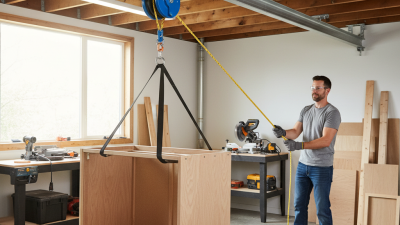
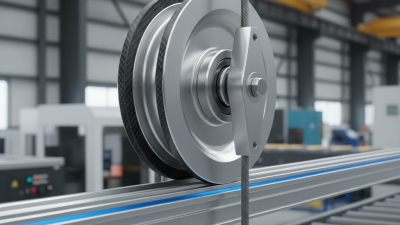
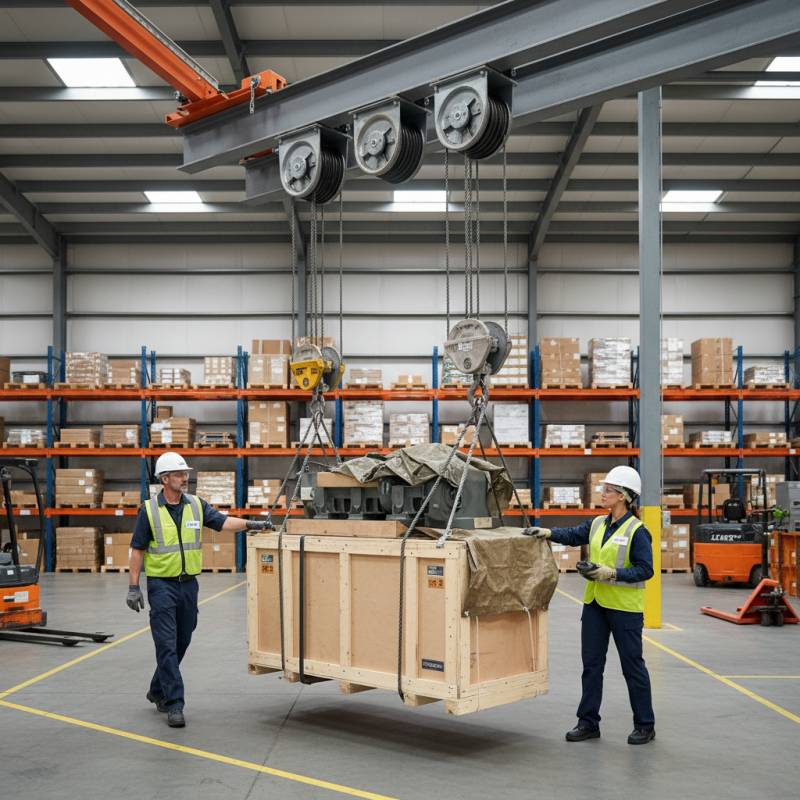
Pulley trolleys play a crucial role in material handling. Understanding how they work can improve efficiency in various settings. These systems reduce manual effort and enhance safety. Proper usage can make lifting and moving materials easier.
When using a pulley trolley, always check the load capacity. Overloading can lead to accidents or equipment failure. It’s essential to know the specifications of your system. Regular maintenance is key. Lubricating moving parts prevents wear and tear. This simple step can prolong the lifespan of your trolley.
Another important tip involves the proper alignment of the trolley. Misalignment can cause unexpected movements or strain. Always ensure the pulleys are lined up correctly before use. Take your time to set it up. Rushing can lead to mistakes that may compromise safety. Consider training for your team to maximize efficiency and safety.
Selecting the Right Pulley Trolley for Your Specific Needs
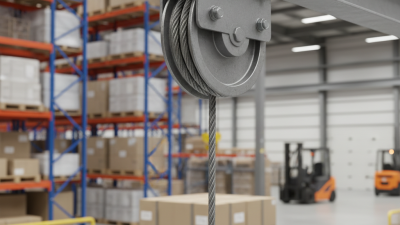
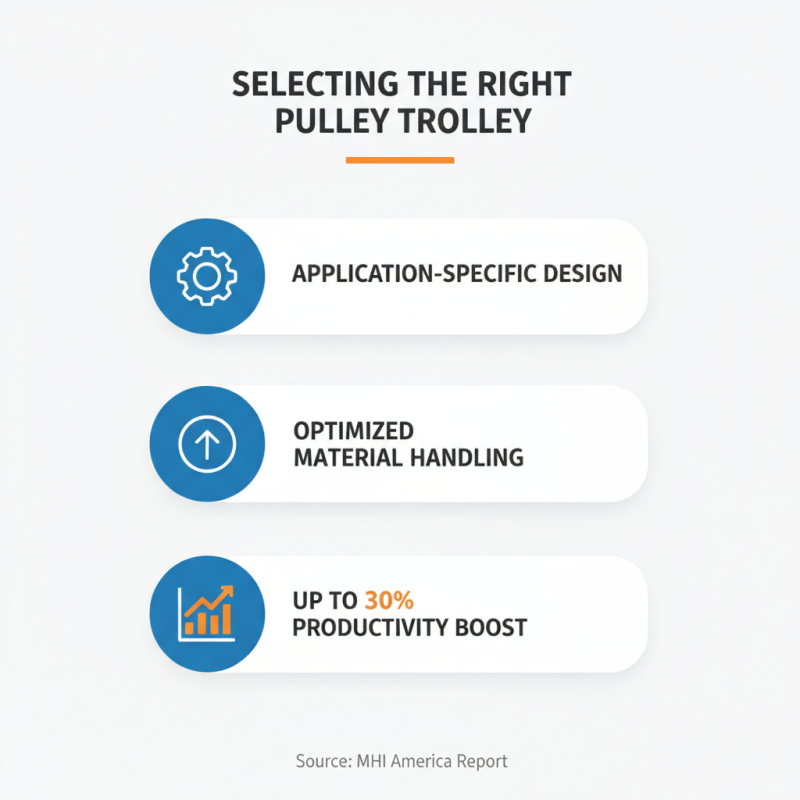
Selecting the right pulley trolley is crucial for effective material handling. Each application requires different specifications, which can significantly impact efficiency. For instance, a report from the Material Handling Industry of America states that optimized material handling can enhance productivity by up to 30%. This is substantial for any warehouse or construction site.
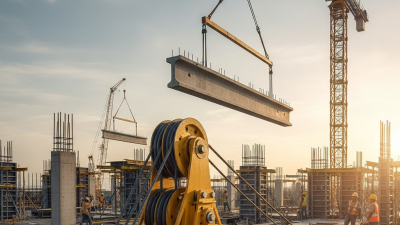
When choosing a pulley trolley, consider load capacity first. Different tasks require different capacities. For example, lifting heavy beams needs a trolley specifically designed for that weight. Understanding the load dynamics is essential. Many users overlook the importance of safety ratings. A low-rated trolley could fail under pressure, leading to accidents.
Another factor is the environment. Indoor and outdoor environments affect trolley performance. Weather resistance is vital for outdoor use. On the other hand, indoor applications may require quieter operation. Users often underestimate the impact of wheel material on movement resistance. High-quality wheels can reduce friction, improving overall handling. Having models that match your needs is necessary. Identifying the right type, load capacity, and material can save time and reduce risks on the job site.
Essential Safety Practices When Using Pulley Trolleys
Using pulley trolleys can significantly enhance material handling efficiency, but safety must remain a priority. Always inspect your equipment before use. Look for any wear or damage. A small crack can lead to failure, causing accidents. Make sure all parts are functioning properly. This simple step can prevent unnecessary injuries.
When operating a pulley trolley, maintain clear communication among team members. Use signals or hand gestures to indicate movements. This awareness avoids collisions and promotes a safer workplace. Additionally, wear appropriate personal protective equipment. Hard hats and gloves should be standard in any material handling scenario. Even a minor slip can lead to serious injuries if not properly outfitted.
Regular training sessions can improve safety practices. Encourage teammates to share their experiences. Discussing near-misses can help everyone learn. Reflecting on past incidents highlights areas for improvement. The goal is to create a culture of safety that prioritizes the well-being of all workers. Remember, complacency can be dangerous. Stay vigilant and proactive in all operations involving pulley trolleys.
Top 5 Pulley Trolley Tips for Efficient Material Handling
Techniques for Maximizing Efficiency with Pulley Trolleys
When using pulley trolleys, ensuring smooth operation is key. Regular inspections help identify wear and tear on components. A worn pulley can lead to accidents or inefficiencies. Check for frays in ropes and replace them promptly. This small step can prevent larger problems down the line.
Load management is crucial for efficiency. Distributing weight evenly across the trolley can improve balance. If loads shift unexpectedly, it can cause delays or accidents. It's important to think about how you load each item. Use a systematic approach to organize materials. This strategy helps streamline processes and enhances safety.
Communication is another important aspect of using pulley trolleys. Team members should be well-informed about the operation. Clear signals can prevent confusion during lifting. Consider holding brief daily meetings to discuss tasks. This practice promotes safety and encourages teamwork. Reflecting on these elements can lead to improved efficiency over time.
Maintenance Tips to Ensure Longevity of Pulley Trolleys
Maintaining pulley trolleys is essential for efficient material handling. Regular maintenance can extend the life of your equipment. Start by inspecting the trolley for wear and tear. Look for any loose parts or damaged components. Keep the wheels clean and free of debris. Dirt can cause friction, leading to premature wear.
Lubricating moving parts is crucial. Apply suitable grease to the wheels and axles. Check the manufacturer's guidelines for the recommended type. Over time, rust can develop on metal components. Use a rust inhibitor to protect against moisture and corrosion.
Training operators on proper handling is vital. Misuse can lead to accidents and equipment failure. Provide refreshers on safe practices periodically. Document any maintenance performed. This record can be helpful during audits or inspections. Each detail counts in maintaining reliability. Regular maintenance not only ensures safety but also promotes efficient operations.
Top 5 Pulley Trolley Tips for Efficient Material Handling
| Tip |
Description |
Maintenance Frequency |
Expected Lifespan |
| Regular Inspection |
Check for wear and tear, ensuring all components function properly. |
Monthly |
5-10 years |
| Lubrication |
Lubricate moving parts to reduce friction and wear. |
Every 3 months |
5-10 years |
| Proper Load Ratings |
Always adhere to the manufacturer's load ratings to avoid overloading. |
Ongoing |
N/A |
| Safe Usage Practices |
Train all operators on safe usage techniques to prevent accidents. |
Annually |
N/A |
| Replacement of Components |
Replace worn or damaged parts to maintain performance. |
As needed |
3-7 years |



 +86-19862000127
 Phone
Phone Email
Email