+86-19862000127


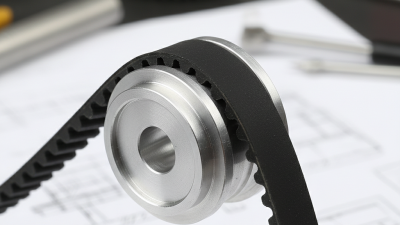
Selecting a Tapered Pulley is not just a matter of matching a shaft diameter. The pulley must suit the belt profile, operating speed, transmitted load, and available installation space. A mismatch can cause belt slip, excess vibration, or uneven wear. Sometimes the problem is smaller than expected: a groove that looks right may still be the wrong profile.
A Tapered Pulley also needs to fit the working conditions around it. Consider how often the drive starts and stops, whether dust or moisture reaches the belt, and how much room technicians have for adjustment. A few measurements can prevent a costly trial fit. Yet drawings do not always tell the whole story; real alignment and belt tension deserve a final check.
For a transparent illustrative voice, fictional power-transmission specialist Elena Brooks offers this guide-created reminder: “Match the pulley to the belt, load, and real operating conditions—not the catalog image alone.” This is an original line, not a verified quotation from a real expert. The sections ahead explain how to compare pulley dimensions, materials, taper-bush fit, and performance requirements. They also flag common selection errors and practical checks before installation. Small details matter. A sound choice starts with accurate measurements, but it should be reviewed against the actual drive.
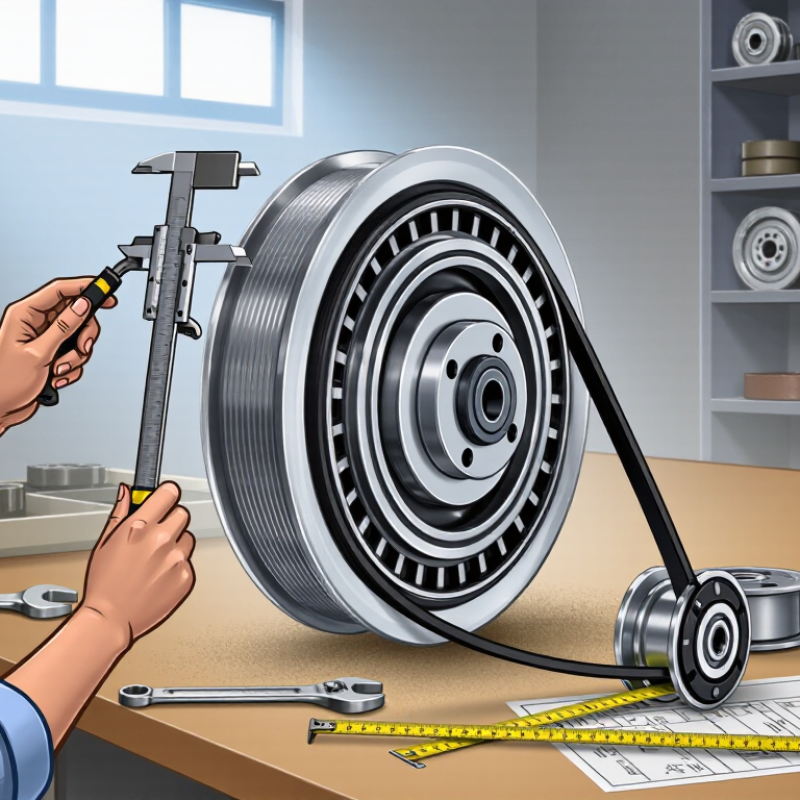
A tapered pulley should match the real drive, not just the motor’s nameplate. Record the required power, shaft speed, driven-machine speed, and hours of operation. Check torque during start-up as well as steady running; a loaded conveyor behaves differently from a lightly loaded fan. Measure under load. Also confirm shaft diameter, keyway, available center distance, and belt profile before choosing the pulley and taper bush.
Operating conditions change the selection. Frequent starts, reversals, or sudden jams can create loads far above normal running demand. Dust, heat, moisture, and poor alignment can shorten belt life or loosen a poorly fitted assembly. The U.S. Department of Energy’s 2002 Industrial Electric Motor Systems Market Opportunities Assessment estimated that motor-driven systems used 63% of electricity consumed by U.S. manufacturing. That figure is a useful reminder: small drive losses matter across long operating hours.
Note the actual duty cycle, including starts per hour and time spent near peak load. Then check that the pulley ratio delivers the required speed without pushing the belt beyond its rated capacity. A quick rule of thumb can mislead. I would verify the fit and alignment on the machine, because catalog dimensions cannot reveal a bent shaft or a vibrating frame. Keep a little room for adjustment, but avoid excessive belt tension, which can overload bearings.

Start with the belt, not the pulley’s outside diameter. Match the groove profile to the belt section specified for the drive. Classical and narrow-wedge belts may look similar, but their groove angles and dimensions differ. A mismatch can cause poor seating, excess heat, or faster belt wear. Check the belt marking and manufacturer’s dimensional data, then confirm the pulley’s groove count and pitch diameter suit the required speed and load. Small details matter.
Choose a taper-lock bushing by matching its bore to the shaft diameter and checking that the keyway fits. Confirm the pulley and bushing are designed to work together; similar-looking parts are not always interchangeable. Also consider available space around the shaft and whether the assembly can be installed and removed with ordinary access to its screws. Follow the specified tightening sequence and torque, rather than tightening by feel. In practice, shaft wear or a slightly damaged keyway can complicate an otherwise correct fit. Measure the shaft at several points before ordering, and pause if the readings vary. A careful check now is less costly than correcting a pulley that runs off-center.
Use this guide to shortlist a V-belt pulley profile and tapered bushing arrangement. Confirm belt compatibility, pulley dimensions, operating speed, and shaft details against the relevant component standards and manufacturer specifications before ordering.
| Selection Factor | Common Options or Reference Data | When to Choose | Checks Before Ordering |
|---|---|---|---|
| Classical V-belt profile |
Z: approximately 10 × 6 mm A: approximately 13 × 8 mm B: approximately 17 × 11 mm C: approximately 22 × 14 mm |
Consider when the existing drive uses a matching classical belt section or when the design specifically calls for a classical-section drive. | Match the pulley groove to the belt section. Do not use a classical belt in a pulley designed for a narrow wedge belt, or vice versa. |
| Narrow wedge-belt profile |
SPZ: approximately 9.7 × 8 mm SPA: approximately 12.7 × 10 mm SPB: approximately 16.3 × 13 mm SPC: approximately 22 × 18 mm |
Consider for compact drives where a narrow-section belt system is specified. The correct section depends on the drive design and required power transmission. | Check the belt marking and applicable standard. Profile dimensions are nominal; verify the pulley groove specification before selecting. |
| Existing belt and pulley | Record the belt section, number of grooves, pulley outside diameter, and operating arrangement. | Use the existing system as the starting point when replacing a pulley without redesigning the drive. | Confirm that the belt is not worn or incorrectly identified. Measure the pulley and check for groove wear before choosing a replacement. |
| Number of grooves | Single-groove or multi-groove pulley, selected to match the belt arrangement. | Choose the same groove count as the designed belt set; multiple belts are used where the drive design requires load sharing. | Belts in a multi-belt drive should be the same section and, where specified, a matched set. Check alignment and belt tension across all grooves. |
| Pulley diameter and speed ratio | The ratio is determined by the effective diameters of the driving and driven pulleys; belt slip and operating conditions can affect actual speed. | Select diameters based on required output speed, available space, and the drive design. | Use the effective or datum diameter specified for the belt system, rather than assuming outside diameter is the calculation diameter. Check minimum pulley diameter and maximum belt speed limits. |
| Wrap angle and center distance | Depends on pulley diameters, shaft center distance, and belt layout. | Review when the drive has a small pulley, short center distance, or limited belt contact. | Check the design guidance for minimum wrap angle and whether an idler or revised center distance is needed to meet the required belt contact. |
| Taper-Lock bushing series | Common series include 1008, 1210, 1610, 2012, 2517, and 3020; availability and dimensions vary by pulley and bushing design. | Choose a series that is compatible with the pulley hub and suitable for the shaft and required torque. | The bushing series is not determined by the belt profile. Confirm the pulley’s specified bushing seat, the required finished bore, and the assembly instructions. |
| Bushing bore and shaft fit | Bores are supplied or machined to suit specified shaft diameters; keyway details depend on the application and relevant standard. | Select the bore to match the shaft and the required key or other specified shaft connection. | Verify shaft diameter, keyway dimensions, fit, and any shaft-end or shoulder constraints. Do not assume every bore is available for every bushing series. |
| Material and operating environment | Common pulley materials include cast iron and steel; other materials may be available for specific designs. | Choose according to load, speed, corrosion exposure, temperature, and equipment requirements. | Check rated speed, balance requirements, corrosion protection, and any applicable guarding or safety requirements. |
| Installation and maintenance | Tapered bushings typically use matching tapered surfaces and specified screws to secure the pulley to the shaft. | Use the specified bushing and installation procedure for a removable, serviceable hub arrangement. | Follow the supplied tightening sequence and torque values. Recheck alignment and tension after installation and during scheduled maintenance. |
Selection note: Pulley profile, groove count, pulley diameter, and Taper-Lock bushing series are separate selection decisions. Final selection should be based on the belt specification, shaft measurements, drive calculations, and the pulley and bushing manufacturer’s dimensional data.
Choosing a tapered pulley starts with the shaft and the space around it. Measure the shaft diameter, available shaft length, and distance between pulley faces. Check the taper bush size and keyway dimensions against the shaft. Measure twice. A pulley that fits the bore may still sit too far out or leave too little room for a guard.
Next, set the required speed ratio. Divide the driven pulley’s pitch diameter by the driver’s pitch diameter to estimate the speed change. For example, a 200 mm driven pulley paired with a 100 mm driver gives roughly a 2:1 reduction. Use pitch diameters, not outside-edge measurements. The actual result can vary slightly with belt type and tension, so verify it against the equipment’s speed limits.
Belt compatibility matters just as much as diameter. Match the belt section to the groove profile, then check the number of grooves and the belt’s rated load. Confirm that the belt length suits the center distance and allows enough adjustment for installation. Do not guess. A belt that appears close may ride too high or bottom out in the groove. Alignment also deserves a check with a straightedge across the pulley faces; even a small offset can cause wear and vibration. Rechecking these details may feel fussy, but replacing a mismatched pulley often takes longer.
Material choice starts with the operating environment. For a dry indoor drive, steel often offers useful strength and wear resistance. Aluminum can reduce rotating mass, but check its load rating and resistance to impacts. In damp or washdown areas, corrosion-resistant materials may be appropriate. “Stainless” is not one universal specification; grade and surface finish matter. A pulley can look robust and still be wrong for the setting.
Match the pulley and taper bushing to the shaft diameter, keyway, transmitted torque, and operating speed. Check the supplier’s rated power or torque at your actual speed, then account for starts, stops, and shock loads. A conveyor that starts under a full load needs a different margin than a lightly loaded fan. Small details matter. Do not treat a pulley’s rating as the rating for the entire drive; belts, shaft, keys, and bearings may limit capacity first.
Before installation, inspect the shaft and bushing contact surfaces for burrs or damage. Tighten fasteners to the specified torque, and verify alignment with a straightedge across the pulley faces. Misalignment can cause uneven belt wear and heat. Recheck tension after the initial run. I would not rely on a visual estimate alone; confirm the figures against the pulley documentation and the machine’s real duty cycle. Some operating conditions are easy to underestimate.
A tapered pulley should match the shaft before it matches the catalog drawing. Measure the shaft diameter at several points, and check for wear, burrs, or taper. Confirm that the pulley bore and bushing suit the shaft size, keyway, and expected load. A key that sits too high can prevent the bushing from seating evenly. Small details matter.
Before installation, clean the mating surfaces and inspect the key and fasteners. Follow the specified tightening sequence and torque for the bushing; guessing with a wrench can distort parts or leave the assembly loose. Keep the pulley aligned with its mate, then check belt tension using the belt maker’s guidance. Too much tension can strain bearings, while too little may cause slip. This is easy to overlook in a rushed repair.
After startup, listen for unusual noise and watch for vibration or belt tracking changes. Recheck the assembly after the initial run if the equipment procedure calls for it. During routine maintenance, inspect fasteners, belt wear, and dust buildup, but do not tighten bolts blindly. Record measurements and changes. Notes help, even when they feel fussy. If the pulley shifts repeatedly, investigate alignment, shaft condition, and operating loads instead of treating each adjustment as a separate fix.