+86-19862000127


Choosing the right Tracker Pulley starts with understanding the belt system it must support. In a conveyor, pulley size, face width, shaft dimensions, and belt type all affect fit and performance. A pulley that looks suitable may still cause mistracking, excess wear, or difficult installation. Small details matter.
Before comparing products, confirm the conveyor’s operating speed, belt tension, load, and available space. Check the manufacturer’s drawings or equipment manual when possible. Then consider the pulley’s material, surface finish, bearing arrangement, and operating environment. Dust, moisture, and temperature changes can influence service life. There is no single specification that suits every system.
In practice, matching the pulley to the existing belt and frame is often more useful than choosing by price alone. A stronger or heavier option is not automatically better; it may add cost without solving the actual problem. And the first choice is not always the right one. If tracking issues continue, inspect alignment and belt condition before assuming the pulley is at fault. This guide explains the key checks, trade-offs, and questions to consider before selecting a Tracker Pulley.
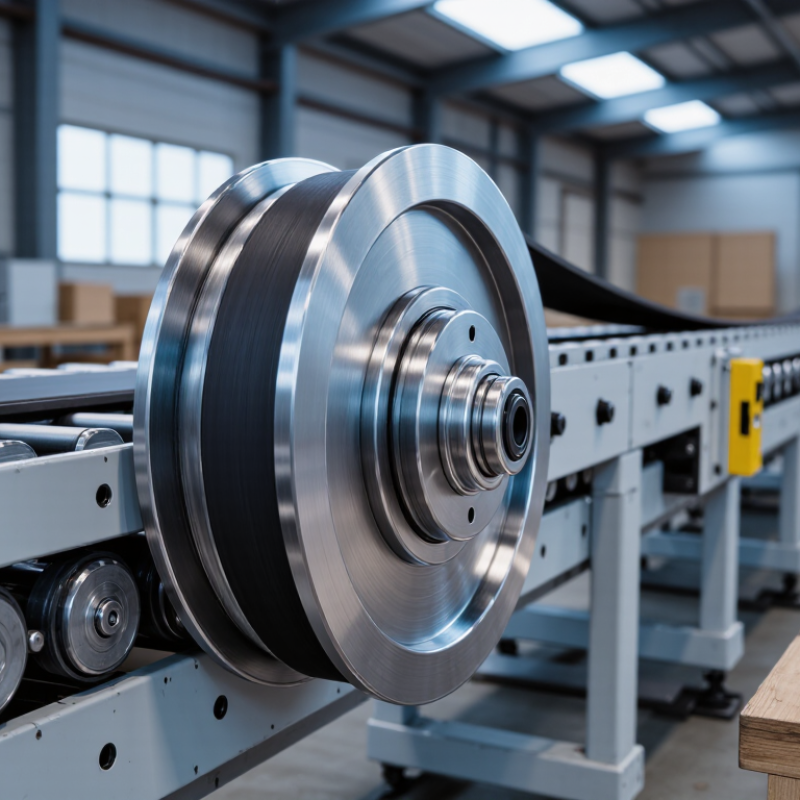
A tracker pulley helps keep a conveyor belt centered as it moves along the frame. Unlike a drive pulley, it does not mainly provide the force that moves the belt. Its job is to respond when the belt begins drifting and guide it back toward a stable path. Depending on the conveyor design, the pulley may pivot or shift slightly as the belt runs across it. Even a small correction can reduce edge rubbing and uneven wear.
Watch the belt during operation. If it repeatedly moves toward one side, the tracker pulley may help, but it is not a cure for every tracking problem. Uneven loading, worn rollers, material buildup, or poor alignment can also pull a belt off course.
Look for polished edges, scattered material, and residue around the pulley. These details often reveal more than a quick glance at the belt’s centerline.
A common mistake is expecting the pulley to compensate for a crooked frame; it cannot reliably do that.
Tracking is sometimes less tidy than diagrams suggest. Make adjustments gradually, then observe the belt under normal load before changing anything else.
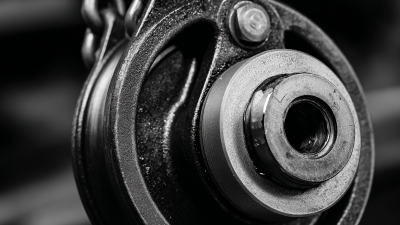
How to Choose the Right Tracker Pulley?
Identify Conveyor Belt and Operating Requirements
Start with the belt and the job it performs. Record its width, material, speed, and typical load. Note whether the belt carries damp fines, abrasive rock, or sticky product; each can affect tracking and pulley wear. Check the conveyor’s operating temperature, dust levels, and washdown conditions. A pulley suitable for a dry indoor line may not suit a wet, gritty transfer point. Small details matter. Also inspect belt tension, splice condition, and existing pulley alignment. Tracking problems can come from any of these, not just the pulley.
Tips: Write down the belt’s specifications and observe it under a normal, loaded run. Note where it drifts and whether the drift changes with load. A quick observation helps, but it may miss intermittent problems.
Match the tracker pulley’s dimensions and construction to the conveyor layout and belt requirements. Confirm shaft and bearing arrangements, available space, and the manufacturer’s recommended belt limits. Consider the belt surface and conveyed material when assessing contact and wear. Don’t assume a tracking pulley will correct poor loading or a damaged splice. I’ve seen small alignment issues persist after a pulley change. Verify the root cause, then check the belt again after installation and during operation.
A tracker pulley should match the belt, load, and operating environment—not just the frame. A crowned pulley can help correct minor drift on a simple, lightly loaded belt. A flat pulley suits systems that rely on accurate alignment, while a wing pulley sheds material in dusty or sticky applications. It is not a cure for poor setup. CEMA’s Belt Conveyors for Bulk Materials bases pulley selection on belt construction and tension, not belt width alone. That distinction matters.
Material changes durability and weight. Coated steel offers robust service; stainless steel resists corrosion in washdown areas, and aluminum may suit lighter loads. Check the belt width, pulley face width, diameter, shaft size, and bearing capacity as one set. A face that is too narrow can leave belt edges unsupported. Too small a diameter can over-flex the belt. CEMA’s design guidance and ISO 14890 belt specifications are useful references for matching components. The U.S. Department of Energy’s Improving Motor and Drive System Performance sourcebook estimates motor-driven systems use about 68% of manufacturing electricity. A poorly aligned pulley adds avoidable drag to that system. I would still verify the actual belt tension and frame alignment on site; catalog dimensions alone can miss a stubborn tracking problem.
| Pulley type | Typical construction and materials | Indicative diameter | Indicative face width | Tracking and operating characteristics | Best suited to | Key selection check |
|---|---|---|---|---|---|---|
| Crowned pulley | Steel shell, commonly with a machined crown; may be bare or covered with rubber lagging. | 100–400 mm (4–16 in) | 100–1,000 mm (4–39 in) | A modest crown can help keep a compatible flat belt centered under suitable conditions. It is not a substitute for correcting misalignment or uneven loading. | Light- to medium-duty flat-belt conveyors and systems where a crowned profile is approved for the belt. | Confirm belt construction, pulley profile, belt width, shaft alignment, and manufacturer guidance. Avoid assuming a crown is suitable for every belt. |
| Flat (straight-face) pulley | Fabricated or machined steel; commonly plain, rubber-lagged, or coated for added traction. | 100–1,200 mm (4–47 in) | 200–2,000 mm (8–79 in) | Provides a cylindrical running surface. Tracking depends on accurate alignment, consistent belt tension, and proper conveyor setup. | General-purpose conveyor drives and idlers, especially with wide or heavy-duty belts. | Match face width to the belt and conveyor design; check shaft size, bearing arrangement, belt tension, and required load capacity. |
| Rubber-lagged pulley | Steel shell with bonded or mechanically attached rubber lagging; smooth or patterned surfaces are available. | 100–1,200 mm (4–47 in) | 200–2,000 mm (8–79 in) | Lagging can improve traction and help reduce belt slippage. It does not independently correct tracking problems. | Drive pulleys, damp or dusty service, and applications requiring increased friction at the belt-pulley interface. | Choose lagging thickness and pattern for the duty and environment; verify bonding, temperature range, chemical exposure, and belt compatibility. |
| Wing pulley | Steel wings or bars arranged around a central hub, typically with open spaces for material to pass through. | 150–1,000 mm (6–39 in) | 300–1,800 mm (12–71 in) | The open design can help shed material from the pulley face. Contact is intermittent, so it is generally not selected as a high-grip drive surface. | Tail or return positions where carryback and material buildup are concerns. | Check belt type, impact and noise limits, material size, and whether the belt manufacturer permits wing-pulley use. |
| Spiral or self-cleaning pulley | Steel shell with spiral bars or a helical profile, sometimes combined with lagging. | 150–1,000 mm (6–39 in) | 300–1,800 mm (12–71 in) | The profile can move some adhering material away from the belt contact area. Results depend on material properties and conveyor conditions. | Return or tail locations handling sticky or abrasive bulk materials. | Assess material buildup, belt cover, cleaning requirements, and the pulley’s suitability for the belt’s load and speed. |
| Ceramic-lagged pulley | Steel shell with ceramic tiles or inserts set into a resilient backing layer. | 200–1,200 mm (8–47 in) | 300–2,000 mm (12–79 in) | Can provide high traction and abrasion resistance in demanding service. The surface is relatively aggressive and must be selected to suit the belt. | Drive positions exposed to heavy loads, moisture, or abrasive operating conditions. | Verify belt-cover compatibility, tile pattern, operating speed, load, and service conditions; inspect lagging regularly for damage. |
| Self-aligning / training pulley assembly | Usually a complete pivoting or tilting assembly with a steel pulley; roller and frame designs vary. | Typically 100–400 mm (4–16 in) for the pulley; assembly sizes vary | Typically 300–1,800 mm (12–71 in), depending on belt width | Designed to respond to belt movement and help guide it back toward the conveyor centerline. Incorrect installation or persistent system faults can limit its effectiveness. | Conveyors with recurring tracking issues after basic alignment, loading, and tension problems have been addressed. | Match the assembly to belt width, belt direction, conveyor position, and load. Follow installation instructions and investigate the root cause of mistracking. |
Dimension note: Ranges are indicative examples, not universal standards. Actual pulley diameter and face width depend on belt construction, belt tension, load, speed, shaft and bearing design, conveyor geometry, and applicable engineering requirements. Confirm dimensions and allowable pulley profiles with the conveyor and belt specifications before ordering.
A tracker pulley works best when it corrects a real alignment problem rather than masking one. Check that the pulley faces sit square to the belt path and that shafts are parallel. Even a small angle can push a belt toward one edge. Look for uneven belt wear, polished frame marks, or material buildup; each can point to a different cause. Small details matter.
Match the pulley to the belt width, operating speed, load, and working environment. Dust or moisture may change how reliably the belt tracks. Before installation, confirm shaft dimensions, mounting clearance, and adjustment range. Isolate the equipment, then check alignment with a straightedge or the method specified for the conveyor. A visual check alone can miss a slight offset.
After fitting the pulley, rotate the belt by hand if the equipment design allows it. Then test at low speed and observe the belt across several revolutions. Make small adjustments, one at a time, and recheck under normal load. A belt that runs centrally while empty may drift when loaded. I have seen quick adjustments hide the underlying issue, so inspect nearby rollers and tension too. Follow the equipment and belt maker’s installation limits.
A suitable tracker pulley should match the conveyor’s belt, operating load, and working environment. Check the pulley’s diameter, face width, shaft dimensions, and bearing arrangement against the system specifications. A small mismatch can cause belt drift, uneven wear, or excess vibration. It is easy to focus on diameter and overlook the shaft fit; verify both before ordering.
Tips: Inspect the belt edges, pulley surface, and bearings regularly. Look for fraying, material buildup, unusual noise, or heat. Clean buildup only with the system safely stopped and isolated. Never reach near a moving belt. Small details matter.
Confirm that the pulley’s rated load and speed suit the conveyor, and consider dust, moisture, and temperature around the installation. A pulley designed for a clean indoor line may wear faster in a gritty setting. Check alignment during installation, then recheck after the belt has run under normal load. If tracking remains unstable, inspect the full system rather than repeatedly adjusting the pulley. That extra check can prevent a minor fit issue from becoming a maintenance cycle.