The Best 10 Resistant Belts for Ultimate Durability and Performance?
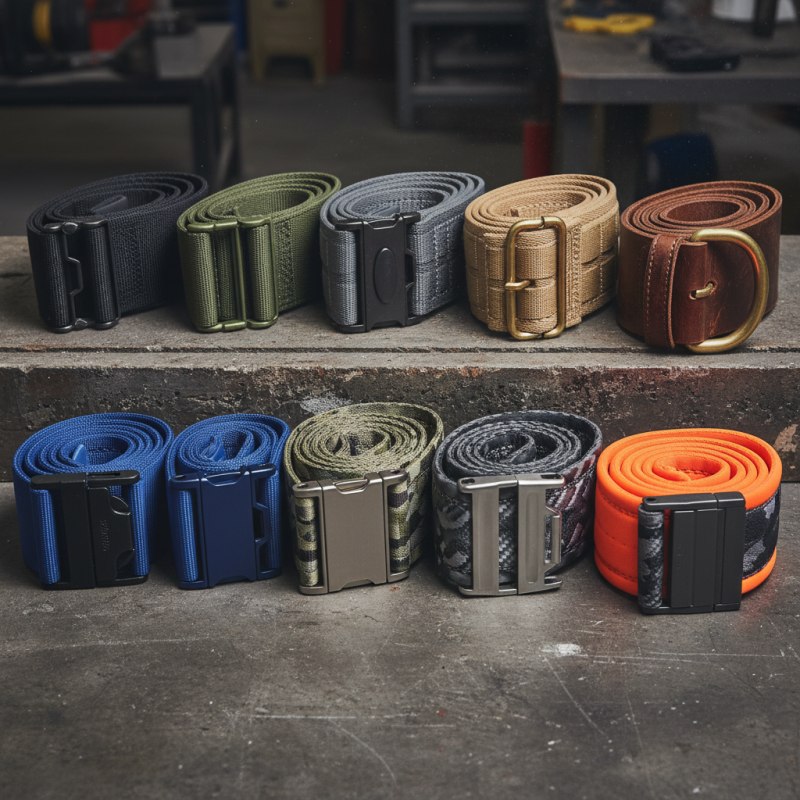
Choosing the right resistant belt can greatly impact durability and performance. Whether you're working in a demanding environment or simply need reliable everyday gear, a high-quality resistant belt is essential.
Many belts claim to be strong and durable, but not all can withstand extreme conditions. Look for materials that offer resistance to wear and tear. Nylon and polyester are common options. However, even top-grade materials have their limits. Recognizing these limits is crucial for both safety and longevity.
Brand reputation also plays a role in selecting the right resistant belt. This article will highlight ten outstanding options known for their resilience. Each of these belts has undergone rigorous testing to ensure reliability. Although perfection is unattainable, these belts come close, providing peace of mind for wearers. Remember, investing in a quality resistant belt can save money in the long run.
The Importance of Material Strength in Resistant Belts
When selecting resistant belts, material strength is crucial. A strong belt can withstand heavy loads and harsh conditions. Common materials include nylon, polyester, and leather. Each offers unique benefits but varies in durability and performance. For instance, nylon is lightweight yet strong, making it ideal for multi-purpose use.
Consider this: not all strong materials are suitable for every task. Some belts may stretch or break under intense pressure. Users often overlook this fact. It’s vital to understand the specific demands of your environment. Test the belt under conditions similar to your intended use before making a decision.
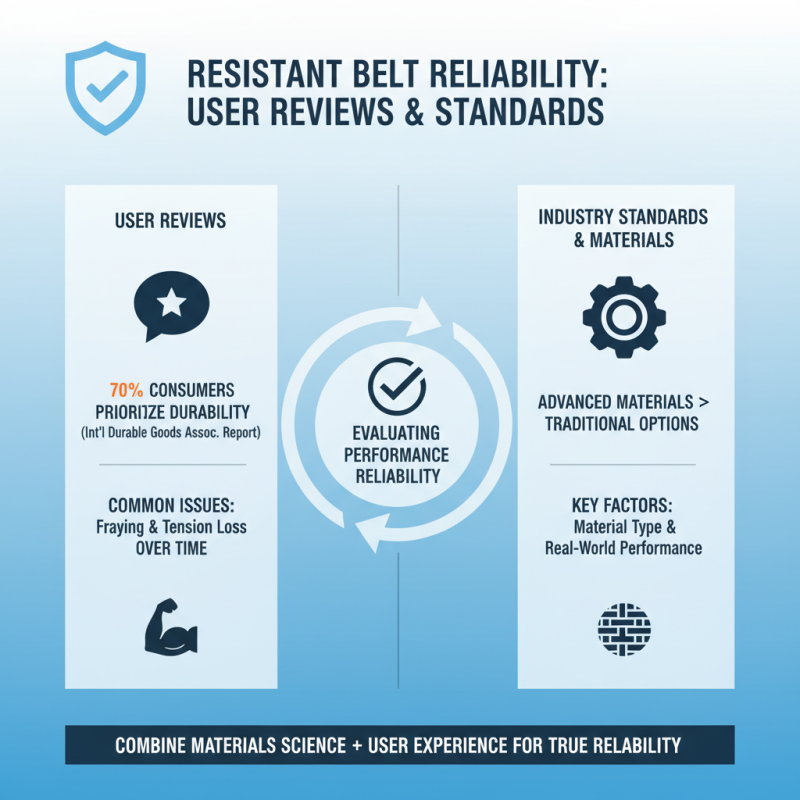
Tips for selecting the right resistant belt include reviewing user experiences and ratings. Seek materials with high tensile strength and resistance to wear. Understand where it will be used: outdoor activities demand different qualities than industrial settings. Remember, a belt's performance in real-world scenarios may differ from laboratory standards. Pay attention to stitching and buckle quality, as these details can affect long-term durability.
Key Features to Look for in Durable Belt Design
When selecting a durable belt, certain key features make a significant difference. Firstly, the material used plays a crucial role. Leather offers longevity, while high-strength nylon resists wear and tear. Look for stitching details. Heavy-duty thread can enhance durability, preventing fraying over time.
Another vital aspect is the buckle design. Metal buckles provide sturdiness, while plastic ones are lighter but may not withstand heavy use. A secure locking mechanism is essential too. If the buckle fails, it compromises the entire belt's function. Users should also check for adjustability. A well-designed belt should fit a range of sizes comfortably.
Finally, consider weather resistance. A belt that can withstand moisture and extreme temperatures offers versatility. Sometimes, users overlook the importance of maintenance. Regular cleaning and proper storage can significantly extend a belt’s life. Ultimately, the best choice balances performance, comfort, and durability, ensuring it meets your unique needs.
The Best 10 Resistant Belts for Ultimate Durability and Performance
This chart shows the performance ratings of various belt materials based on durability (scale of 1-10). The ratings take into account factors such as wear resistance, tensile strength, and overall performance in rugged conditions.
Top Brands and Their Performance Metrics in Belt Durability
When selecting durable belts, it’s essential to consider various performance metrics. The best resistant belts are typically made from high-quality materials. These belts undergo rigorous testing to measure their strength, flexibility, and resistance to wear and tear. Evaluating these metrics helps ensure that you invest in a product that delivers lasting performance and reliability.
Tips: Look for belts that incorporate reinforced stitching. This detail greatly enhances their durability. Also, consider belts with moisture-wicking properties, especially if you’re in active environments. A belt’s performance can vary depending on its intended use. Identifying your needs will help in selecting the right option.
Another vital aspect is the belt's ability to maintain its shape over time. A belt that stretches or deforms quickly can become less effective and may lead to frustration. Consider user reviews for real-life insights on how belts perform under stress. Balancing quality with budget is always tricky; it often reflects on longevity. Investing a bit more could save you from frequent replacements in the future.
Comparative Analysis of Resistant Belt Lifespans and Wear Resistance
When assessing resistant belts, the lifespan is crucial. Durable materials are often essential for demanding environments. Polyurethane and ballistic nylon are common choices, known for their strength. These materials can withstand wear from friction and harsh chemicals, making them ideal for industrial applications.
Another important factor is wear resistance. Some belts show early signs of degradation in rugged conditions. Users often report differences in performance after just a few weeks. Testing various belts in real-world situations reveals their strengths and weaknesses. A belt that performs well in one area may fail in another. Understanding these variations can help consumers make informed decisions.
Lastly, longevity is influenced by how belts are maintained. Even the best products require care. Regular inspections can prolong a belt's life. A worn-out belt may still have a critical role until it fails completely. Exploring the balance between quality materials and maintenance will lead to better investment choices.



 +86-19862000127
 Phone
Phone Email
Email