Top 10 Uses of Rubber Belting in Industries Today?
In today’s industrial landscape, rubber belting plays a crucial role. Experts like Dr. Emily Spencer, a leading figure in the rubber industry, emphasize its significance: "Rubber belting is the backbone of efficient operations." This material offers versatility and strength for various applications.
From manufacturing to transportation, rubber belting holds immense value. It is essential for conveyor systems, providing reliability and durability. Industries rely on this material to optimize workflows and enhance productivity. However, not all rubber belting is created equal. Quality can vary, affecting performance.
Some businesses take shortcuts in supplier selection. This can lead to increased downtime and maintenance costs. Investing in high-quality rubber belting is not optional; it is vital for long-term success. Companies must reflect on their choices. The impact of these decisions echoes throughout their operations.
Applications of Rubber Belting in Material Handling Systems
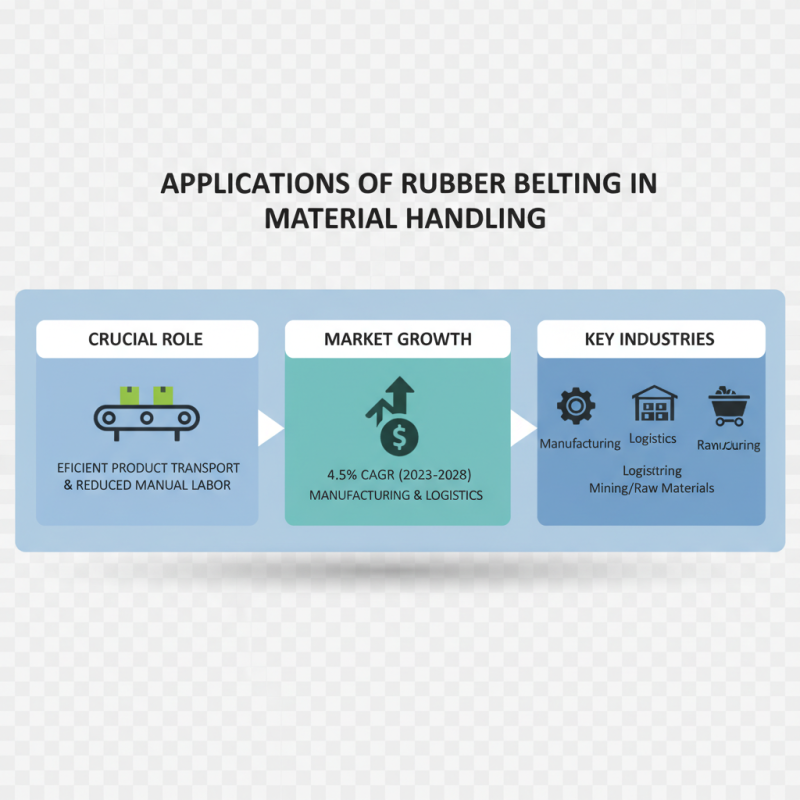
Rubber belting plays a crucial role in material handling systems across various industries. These belts transport products efficiently and reduce manual labor. According to industry data, the rubber belting market is expected to grow at a CAGR of 4.5% over the next five years. This growth highlights its importance in manufacturing and logistics.
In material handling, rubber belting is often used in conveyor systems. These systems facilitate the movement of goods from one point to another. For example, in warehouses, rubber belts can move boxes quickly, saving time. The durability of rubber ensures longevity, reducing replacement costs. However, proper maintenance is essential; neglected belts could cause production delays.
Tips: Regularly inspect rubber belts for signs of wear. Small issues can lead to bigger problems. Additionally, consider the weight capacity of the belts you choose. Overloading can lead to quick deterioration.
Another application is in agricultural industry, where rubber belting is used to transport grains and fertilizers. This application demands robust materials to withstand harsh conditions. Understanding these specifics can aid in making informed choices for various operations. While rubber belts excel in many areas, it’s essential to assess the right fit for your needs continuously.
Rubber Belting in Food Processing and Packaging Industries
Rubber belting plays a crucial role in the food processing and packaging industries. It's primarily used for conveyor systems that transport food products. These belts ensure smooth movement, promoting efficiency on production lines.
According to a report by Technavio, the global conveyor belt market is expected to grow by 4% annually, highlighting the vital role of rubber belting.
The food industry faces strict hygiene standards. Rubber belts must be resistant to wear, tears, and chemicals. They should also be easy to clean. The FDA regulates materials used in food processing. Some rubber belting may not meet these standards. This inconsistency can lead to potential contamination and safety issues.
Employing rubber belts requires careful selection of materials. Innovating solutions can minimize food safety risks. Some companies are exploring alternatives like thermoplastic elastomers. However, the transition is slow. Traditional rubber belts remain dominant. Balancing efficiency and safety is an ongoing challenge in this sector.
Use of Rubber Belting for Conveyor Systems in Mining Operations
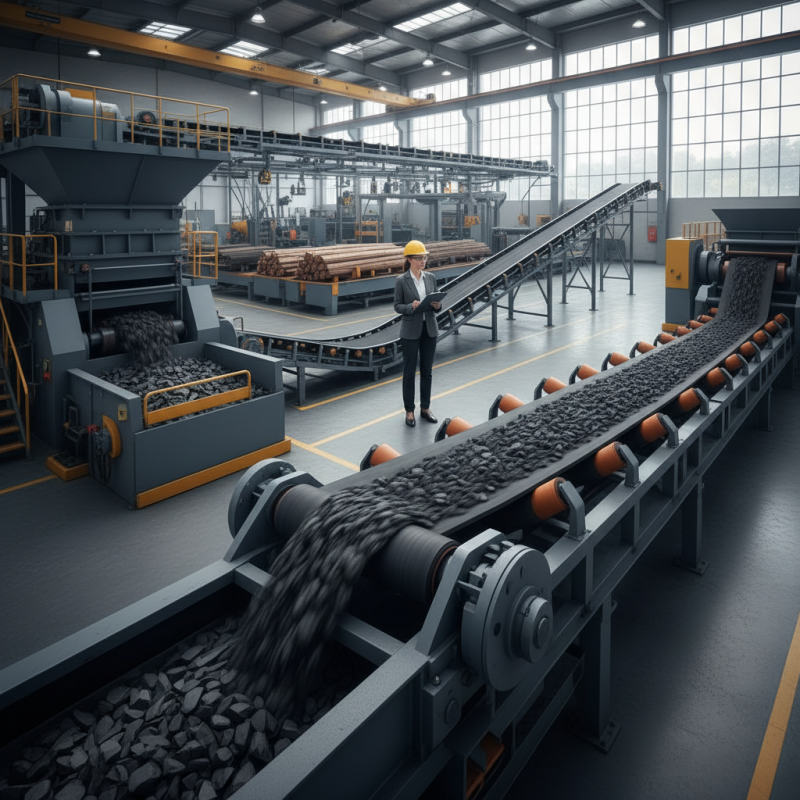
In mining operations, rubber belting serves as a crucial component for conveyor systems. These belts transport various materials, including ores and debris, efficiently across different terrains. The flexibility of rubber allows it to adjust to uneven surfaces, ensuring a smooth operation. Large mining sites benefit from this adaptability, reducing the risk of damage to both the material and the belt itself.
The durability of rubber belting is another advantage. It can withstand harsh conditions and heavy loads. However, wear and tear are inevitable. Regular inspections and maintenance are essential to avoid unexpected breakdowns. A minor flaw can lead to significant delays in operations. Addressing these issues promptly prolongs the belt's lifespan and maintains productivity.
Measuring the effectiveness of rubber belting often requires careful observation. Sometimes, operators overlook subtle changes in performance. These shifts can indicate larger underlying problems. Engaging in preventative measures can mitigate costly disruptions and enhance overall efficiency in the mining process.
Top 10 Uses of Rubber Belting in Industries Today
This bar chart illustrates the top 10 industries utilizing rubber belting and their corresponding usage frequency. Conveyor systems in mining operations lead the way, demonstrating the pivotal role rubber belting plays in various sectors.
Rubber Belting Applications in Automotive Manufacturing
In automotive manufacturing, rubber belting plays a crucial role. This versatile material is essential for various applications, including conveyor systems and power transmission. In 2022, the global automotive rubber belting market was valued at over $3 billion, illustrating its significance.
Rubber belts are used extensively in assembly lines. They transport components efficiently, minimizing downtime. For example, they can handle heavy loads while maintaining speed. This efficiency is vital for maintaining production targets, reducing delays and costs.
**Tip:** Regular maintenance of rubber belts can extend their lifespan. Monitoring wear and tear will prevent unexpected breakdowns.
Moreover, rubber belting also contributes to safety. It absorbs vibrations during operation, reducing noise. This feature enhances working conditions. However, improper installation can lead to slippage and accidents. It's essential to ensure correct alignment during setup.
**Tip:** Consider using trained personnel for installation and maintenance. Their expertise helps prevent many common issues.
Lastly, innovative materials like advanced polymers are emerging. These developments improve durability and performance. Yet, some manufacturers have been slow to adapt. Investing in new technology can boost efficiency but requires upfront costs. Balancing innovation with budget constraints is a constant challenge.
Role of Rubber Belting in Chemical and Pharmaceutical Industries
Rubber belting plays a crucial role in the chemical and pharmaceutical industries. These belts are designed to handle diverse materials safely. They are resistant to many chemicals, ensuring longevity and reliability in tough environments. They can transport everything from raw materials to finished products without contamination.
In pharmaceutical settings, hygiene is paramount. Rubber belting is easy to clean and maintain. This feature minimizes the risk of contamination. Additionally, the flexibility of rubber allows it to be used in various applications. Whether it’s in packaging or conveyor systems, rubber belts adapt well to different tasks.
However, challenges exist. The wear and tear on rubber belts can lead to unexpected downtime. Regular inspections are essential but can be overlooked. Workers sometimes push equipment to its limits. This can result in faster degradation of belts. Choosing the right belt for specific chemical exposure is critical and should not be taken lightly. Attention to detail is necessary to ensure optimal performance and safety.


 +86-19862000127
 Phone
Phone Email
Email