Top Sliding Pulley Types for Efficient Lifting and Rigging Solutions?
In the world of lifting and rigging solutions, Sliding Pulleys play a crucial role. These pulleys are designed for efficiency and reliability in various applications. They facilitate smoother lifting operations, which reduces strain and fatigue for workers.
However, not all Sliding Pulleys are created equal. Different designs and materials offer distinct advantages, yet they may come with specific limitations. Choosing the right type demands careful consideration of workload, environment, and safety standards. A misstep can lead to inefficiencies or even accidents.
As technology advances, innovations in design, such as those hinted at in the upcoming 2026 trade exhibitions, promise to enhance the functionality of Sliding Pulleys. Embracing these advancements while reflecting on current practices can significantly improve rigging efficiency and safety in the long run.
Types of Sliding Pulleys and Their Functions in Lifting Systems
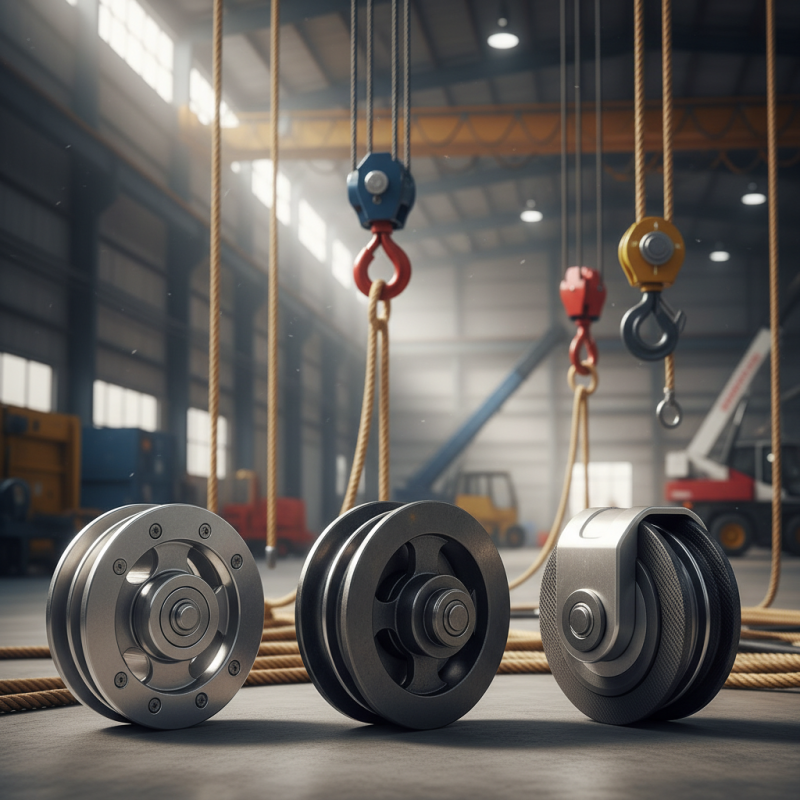
Sliding pulleys play a crucial role in lifting and rigging systems. They help reduce friction and make lifting heavy loads easier. Different types of sliding pulleys cater to various needs and applications.
One common type is the block pulley. It features a grooved wheel that guides the rope, allowing smooth movement. This setup is ideal for situations requiring quick adjustments. There’s also the swivel pulley, which allows for multiple angles. This flexibility is important in complex rigging scenarios. However, users must consider the added complexity of setup. Having too many options can lead to confusion.
Additionally, the sheave pulley is designed for heavy loads. It improves mechanical advantage, making lifting tasks more manageable. It’s often used in construction sites. But it does come with its challenges. Ensuring proper alignment is vital. Misalignment can lead to wear and tear. It demands more attention than one might expect. Choosing the right pulley depends on the specific task at hand. Balancing efficiency with ease of use is often a difficult task.
Top Sliding Pulley Types for Efficient Lifting and Rigging Solutions
This bar chart illustrates the lifting efficiency of various types of sliding pulleys used in lifting and rigging solutions. As seen, block and tackle systems provide the highest efficiency, making them ideal for heavy loads.
Key Features to Consider When Choosing Sliding Pulleys
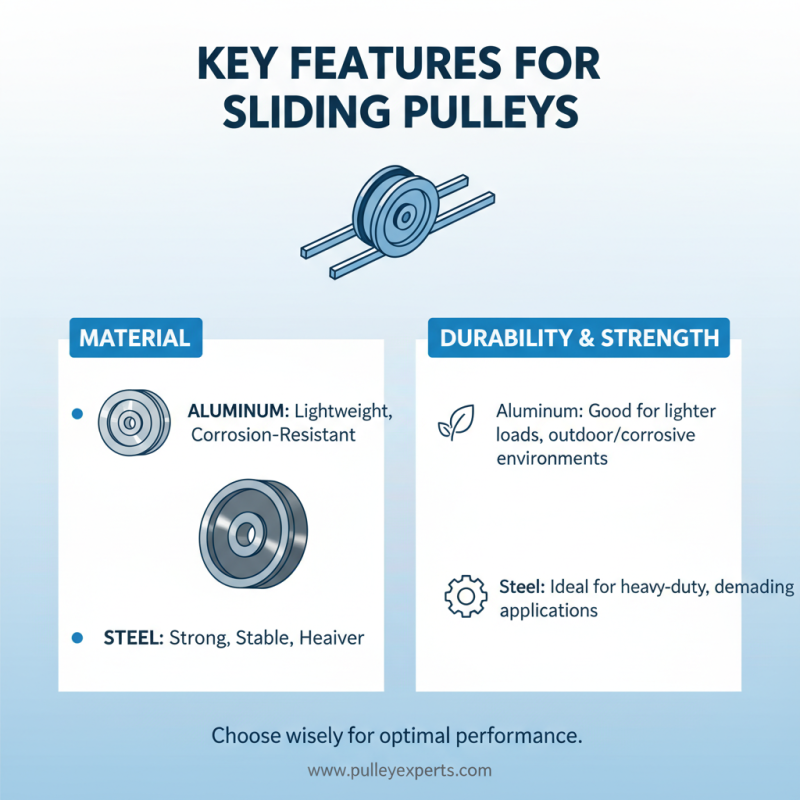
When selecting sliding pulleys, consider several crucial features. The material is essential for durability. Aluminum and steel are popular choices. Aluminum is lightweight and resistant to corrosion. Steel provides strength and stability but can be heavier.
Next, load capacity is vital. Pulleys have different weight limits. Ensure you choose one that suits your lifting needs. A pulley with too low a limit can lead to failure. This means you should verify specifications before making a choice.
Pay attention to the design as well. A smooth surface enables better movement. Rough edges can cause wear and tear over time. Additionally, look for easy installation features. Some pulleys require tools, while others do not. The goal is efficiency and ease in deployment, as having the right pulley can significantly impact your rigging solutions.
Applications of Sliding Pulleys in Various Industries
Sliding pulleys play a crucial role across various industries, improving lifting efficiency and rigging solutions. In construction, these pulleys facilitate heavy lifting operations, reducing physical strain on workers. According to a report by the American Society of Civil Engineers, improper lifting techniques account for approximately 30% of injuries on sites. Using sliding pulleys can significantly minimize these risks.
In the manufacturing sector, sliding pulleys are essential for assembly lines. They streamline processes, allowing for smoother transitions of materials. A study from the National Institute for Occupational Safety and Health found that incorporating mechanical aids, like pulleys, uplift productivity by 15-20%. This reflects the industry's need to balance speed and safety, highlighting ongoing challenges in maintaining worker well-being.
However, the selection of the right pulley is not always straightforward. Overloading a pulley can lead to equipment failure. A recent industry survey indicated that 20% of workers are unsure about the limits of their equipment. Proper training and understanding of these tools are critical. Companies must address these gaps to ensure effective usage and to safeguard employee health.
Advantages of Using Sliding Pulleys for Rigging Solutions
Sliding pulleys are essential tools in lifting and rigging solutions. Their design allows for smooth movement and efficient force distribution. This efficiency makes tasks easier and safer. With proper setup, they significantly reduce the effort needed to lift heavy loads. Users often find that sliding pulleys enhance control over the lifting process.
The advantages extend beyond just lifting. These pulleys can adapt to various angles and alignments. This versatility is helpful in tight spaces or complex setups. However, some users overlook maintenance. Neglect can lead to wear and reduced performance. Regular checks can ensure optimal functionality and longevity.
Moreover, sliding pulleys help in dynamic situations. They can respond to unexpected changes in load or direction. This adaptability is critical in rocky terrain or when adjusting setups. Yet, some might find it challenging to balance ease of use with safety. Ultimately, understanding the limitations and benefits of these tools is crucial for maximizing their potential.
Best Practices for Maintaining and Operating Sliding Pulleys
Maintaining sliding pulleys is crucial for safe and effective lifting. Regular inspections should become a habit. Look for wear and tear, especially on the pulley wheel. Check the axle and bearings for any signs of rust. These parts can affect performance and safety. Even a small crack can lead to failure during use.
Cleaning is another important step. Use a soft cloth to wipe down the pulley. Remove any debris that may obstruct its movement. Lubricate moving parts with appropriate grease. This prevents friction that could lead to premature wear. However, avoid over-lubricating, as this can attract dirt and grime.
Training is vital for operators. They should understand the correct way to use the pulleys. Improper use can result in accidents or damage. Remember, every operation involves risk. Awareness and careful handling can mitigate these risks. Reflecting on past mistakes can lead to better practices in the future. A well-maintained sliding pulley system can enhance efficiency and safety in lifting tasks.



 +86-19862000127
 Phone
Phone Email
Email