Top Rigging Pulley Systems for Efficient Lifting and Moving Tasks?
In industries where efficient lifting and moving tasks are crucial, Rigging Pulley systems stand out. According to the latest market analysis from industry reports, the rigging and lifting equipment market is projected to reach $18.5 billion by 2026. This growth reflects the increasing demand for safe and effective lifting solutions across construction, manufacturing, and logistics sectors.
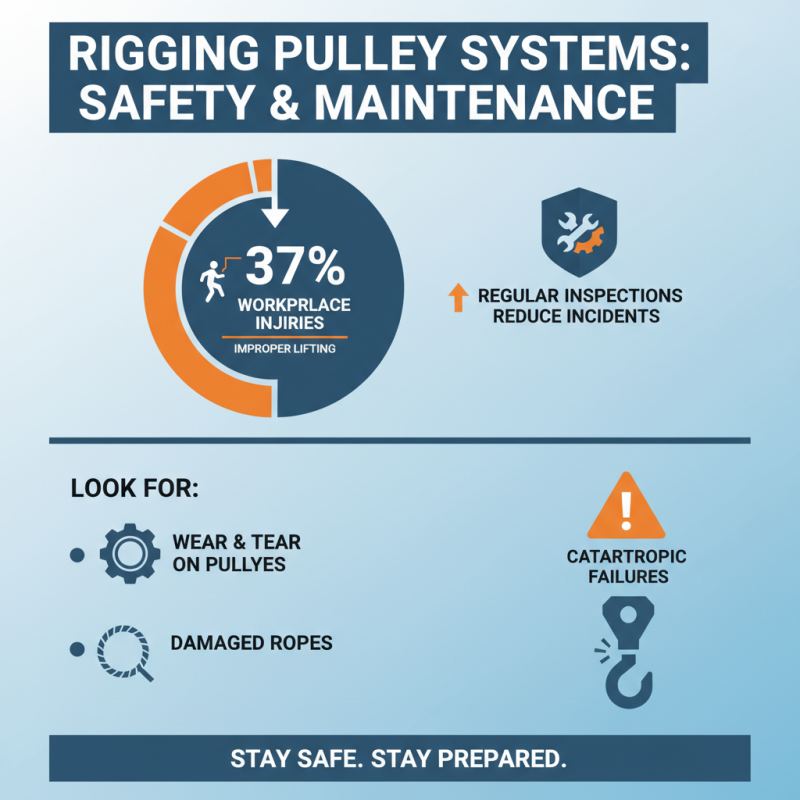
Rigging Pulleys are essential in ensuring optimal load distribution and safety during lifting. A well-designed pulley system reduces the required force to lift heavy objects, enhancing productivity. However, improper use can lead to accidents. A report from the Occupational Safety and Health Administration (OSHA) revealed that lifting injuries account for a significant percentage of workplace incidents. Awareness and training are key.
Despite advancements, many companies still struggle with outdated rigging practices. This leads to inefficiencies and potential risks. It's crucial to assess existing systems and adopt modern Rigging Pulley options. Embracing innovation can significantly improve lifting tasks while prioritizing safety and efficiency.
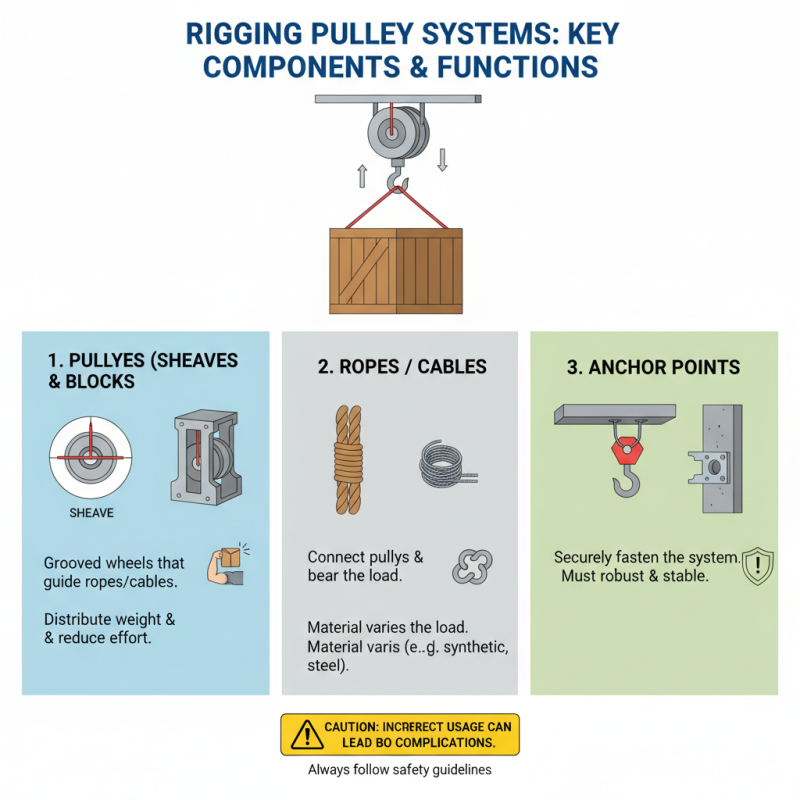
Understanding Rigging Pulley Systems: Key Components and Their Functions
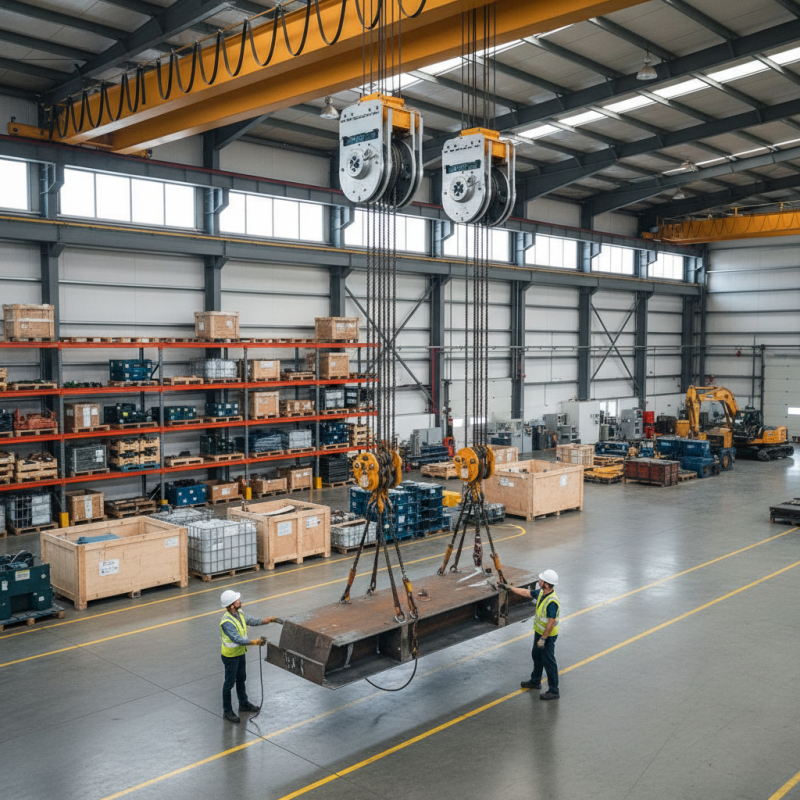
Rigging pulley systems consist of several key components that work together to facilitate lifting and moving heavy loads. At the heart of these systems are pulleys. These wheels allow ropes or cables to guide and distribute weight effectively. A well-placed pulley can significantly reduce the effort needed to lift an object. However, incorrect usage can lead to complications.
Another crucial part is the rope or cable itself. It must be strong and durable to endure heavy loads. Choosing the right material is essential. Some ropes can fray or snap under pressure. This can pose significant safety hazards. Additionally, consider the configurations. Different setups provide varied mechanical advantages. A simple loop might not be enough for more substantial tasks.
Finally, hardware like hooks and anchors plays a vital role. They secure the system in place. Yet, if not used properly, they can become weak points. Continually inspecting these components is crucial. Weak links can result in failure, causing accidents. Understanding these elements helps ensure efficient and safe operation.
Types of Rigging Pulley Systems: A Comparison of Designs and Applications
When it comes to rigging pulley systems, understanding the different types is crucial. There are various designs catering to unique applications. For instance, a block and tackle system uses multiple pulleys to reduce the effort needed for heavy lifting. It's a classic design that continues to be effective. However, setting it up correctly can be tricky. Improper installation may lead to inefficiencies or even accidents.
Another option is the single pulley system. This type is versatile and easy to use. It offers quick adjustments for moving items around. Nevertheless, while it’s user-friendly, it cannot support heavy weights as effectively as more complex systems. Considerations about load requirements are important here. Users often overlook safety ratings, which can lead to unfortunate consequences.
Lastly, the sheave block is worth mentioning. This configuration allows for smooth rotations and efficient load distribution. However, it can become complicated during installation. Not everyone is trained to set it up properly. Users must take time to ensure proper alignment. Reflection on these details can significantly impact the success of any lifting task.
Selecting the Right Pulley System: Factors to Consider for Efficiency
Choosing the right pulley system is crucial for effective lifting and moving tasks. When selecting a pulley system, consider the load capacity. Most systems can handle from a few hundred to several tons. A study from the Lifting Equipment Engineers Association shows that a well-chosen pulley can increase lifting efficiency by up to 30%.
It’s also important to consider the environment. For outdoor use, ensure the materials can withstand weather elements. Indoor systems may require less robust materials, but consider the risk of wear and tear, which can lead to safety issues. Remember, even high-quality systems can fail if not properly maintained.
Tips: Regularly inspect your pulley systems for signs of wear. This can prevent accidents and costly repairs. Always follow manufacturer's guidelines for installation and weight limits. Overloading can lead to catastrophic failures.
Efficiency also depends on the ease of use. Some users find complex systems cumbersome. Simpler systems may reduce the potential for mistakes. However, the trade-off may be in overall load capacity. Reflect on your specific needs. Balancing complexity and effectiveness is essential.
Top Rigging Pulley Systems for Efficient Lifting and Moving Tasks
| Pulley System Type |
Load Capacity (lbs) |
Effective of Use (%) |
Preferred Applications |
Weight (lbs) |
| Single Pulley |
500 |
70 |
Light lifting, small loads |
2 |
| Double Pulley |
1000 |
80 |
Medium lifting tasks |
4 |
| Block & Tackle |
2000 |
90 |
Heavy lifting, construction |
10 |
| Variable Speed Pulley |
1500 |
85 |
Machine operation, automation |
8 |
| Sheave Wheel |
750 |
75 |
Cable management, guiding |
3 |
Best Practices for Setting Up and Using Rigging Pulley Systems
When setting up rigging pulley systems, safety is paramount. Always inspect equipment before use. Check for wear and tear. Damaged components can lead to failure. Proper setup reduces risks significantly. Ensure the pulleys are aligned correctly to prevent fraying. Misalignment is a common issue. It can lead to accidents.
Load distribution is equally important. Understand the weight of the load. Calculate the necessary number of pulleys. This ensures balance and stability during lifting. Use appropriate knots that are easy to untie. Complicated knots may become problematic when under stress. Remember, simplicity can save time and effort.
Be aware of your working environment. Space limitations may change your setup. Sometimes, it might not be possible to follow the ideal setup completely. Adaptability is key. Evaluate your setup often. Reflecting on what works can lead to improvements. Small adjustments can make a big difference in efficiency and safety.
Top Rigging Pulley Systems for Efficient Lifting and Moving Tasks
This bar chart illustrates the maximum load capacity of various rigging pulley systems. Each system is designed for specific lifting tasks, with capacities ranging from 2 to 6 tons.



 +86-19862000127
 Phone
Phone Email
Email