What is Conveyor Brush at the 139th Canton Fair?
The 139th Canton Fair offers a unique opportunity to explore innovations in manufacturing, including the Conveyor Brush. This tool plays a critical role in the material handling and logistics sectors. According to industry reports, the conveyor systems market is projected to reach $8 billion by 2027. The efficiency brought by conveyor brushes contributes significantly to this growth.
At the fair, attendees can witness firsthand the integration of AI in navigation and supplier search, enhancing the discovery of specialized products like Conveyor Brushes. With 1.55 million square meters of exhibition space, the fair ensures buyers find optimal solutions quickly. However, challenges in identifying high-quality suppliers still exist, emphasizing the importance of certifications like ISO and CE.
Understanding the specific applications of Conveyor Brushes is crucial. They maintain optimal performance in conveyor systems, yet many organizations overlook their maintenance needs. Addressing these gaps can lead to improved operational efficiency. The interplay between innovation and practicality is where businesses often stumble. Balancing cutting-edge technology with everyday operational requirements remains a vital focus for industry leaders.

What is a Conveyor Brush?
A conveyor brush is an essential component in automated systems. It is designed to clean, maintain, and optimize conveyor belts. The interaction of the brush with the belt helps remove debris and prevent contamination. According to industry reports, effective conveyor cleaning can improve production efficiency by up to 30%. This is significant for industries like food processing and packaging.
One key function of a conveyor brush is to prevent buildup. Dust, dirt, and other particles can impair belt function. Regular use of a conveyor brush minimizes wear and tear. This can extend the lifespan of various conveyor systems. However, brushes must be chosen carefully. The hardness and material of the bristles affect cleaning effectiveness. Choose the right brush for your specific belt materials.
Tips: Always monitor brush performance. Over time, bristles may wear down. Replace them when you notice a decrease in effectiveness. Also, cleaning schedules are important. Set a routine to ensure optimal conveyor operation. Regular maintenance can save costs in the long run.
What is Conveyor Brush?
| Feature |
Description |
| Function |
Used to clean and maintain conveyor belts, ensuring optimal performance. |
| Materials |
Typically made from durable bristles, metal components, and plastic or rubber fittings. |
| Applications |
Commonly used in manufacturing, mining, and food processing industries. |
| Benefits |
Improves efficiency, reduces downtime, and enhances the lifespan of conveyor systems. |
| Types |
Available in various types, including spiral brushes, flat brushes, and custom designs. |
| Maintenance |
Regular cleaning and replacement of brush components are advisable for optimal performance. |
Uses and Applications of Conveyor Brushes
Conveyor brushes play a vital role in various industrial applications. Their primary function is to maintain cleanliness on conveyor belts. They help remove dust, debris, and other contaminants that can affect product quality. This cleaning feature reduces maintenance costs and enhances operational efficiency.
In food processing, conveyor brushes are essential. They ensure that surfaces are free from residue and potential allergens. In packaging industries, brushes can assist in the effective handling of products, ensuring they remain uncontaminated during transit. Brushes are also used in the textile industry, aiding the movement of fabrics while keeping them clean.
Reflecting on their effectiveness, any shortcomings can arise from inconsistent brush materials or incorrect installation. Not all conveyor systems are designed the same, so compatibility matters. Regular maintenance checks can sometimes fall short, compromising cleanliness. It’s crucial to assess these factors continually for optimal use.
Types of Conveyor Brushes Available
At the 139th Canton Fair, conveyor brushes took center stage, showcasing their importance in several industries. Various types of conveyor brushes are available, each tailored to specific needs. For instance, nylon brushes are common. They are durable and can clean debris effectively. In contrast, polypropylene brushes offer better chemical resistance, making them ideal for different environments.
According to industry reports, the global conveyor system market is projected to grow at a rate of 4.5% annually. This increase is pushing manufacturers to innovate and enhance their products. However, many conveyor brushes still come with limitations. For example, not all brushes maintain effectiveness across different speeds. Some may fray quickly rather than lasting through extensive use.
Interestingly, specialty brushes are gaining traction. They are often designed for specific applications, like food processing or automotive manufacturing. Yet, the high customization can lead to higher costs. This creates a challenge for businesses balancing quality and budget. As industries evolve, the necessity for efficient cleaning solutions becomes more critical. The focus on conveyor brushes at the fair indicates a significant shift toward improving productivity and operational efficiency.
Types of Conveyor Brushes Available at the 139th Canton Fair
This bar chart presents the quantity of different types of conveyor brushes sold at the 139th Canton Fair. As illustrated, polypropylene brushes lead in sales, followed by nylon and steel wire brushes, indicating their popularity among attendees.
Importance of Conveyor Brushes in Industry
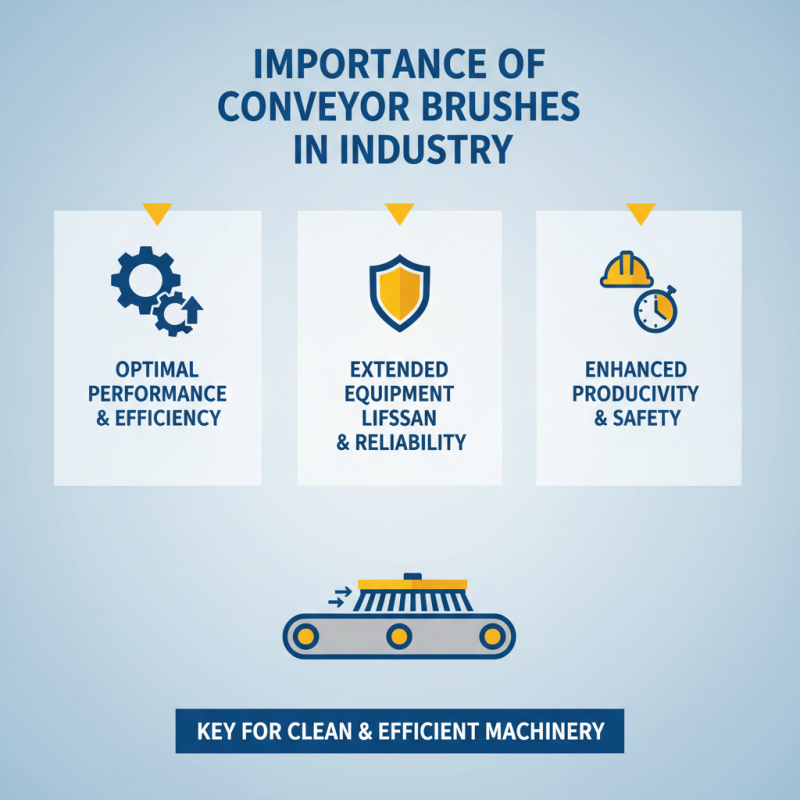
Conveyor brushes play a crucial role in various industries. They are essential for maintaining clean and efficient machinery. These brushes effectively remove debris and contaminants from conveyor belts. This not only ensures optimal performance but also extends the lifespan of the equipment. A well-functioning conveyor system is vital for productivity and safety.
In manufacturing and packaging, dirt buildup can cause significant issues. This issue often leads to breakdowns and costly repairs. Conveyor brushes help mitigate such risks by providing regular cleaning. They can adapt to different surfaces and materials, making them versatile. However, their effectiveness depends on the correct choice and application.
Many industries overlook the importance of proper brush maintenance. Ignoring this can lead to diminished efficiency over time. Users must regularly inspect brushes for wear and tear. Sometimes, a simple cleaning routine can prevent major problems. In other cases, replacement might be necessary. This highlights the need for a proactive approach in maintaining conveyor brushes.
Innovations in Conveyor Brush Design at Canton Fair
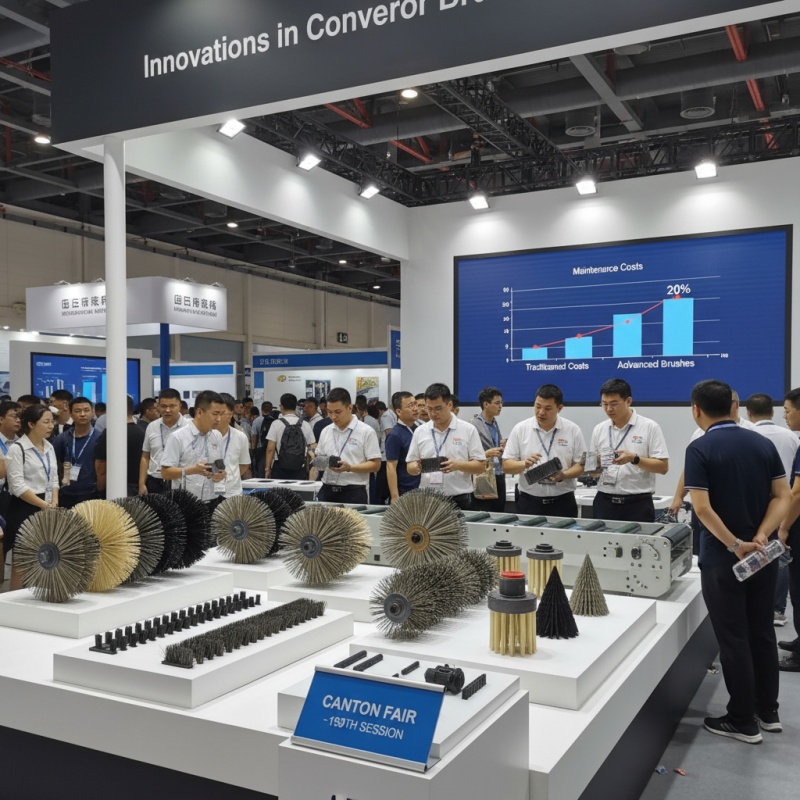
At the 139th Canton Fair, innovations in conveyor brush design caught significant attention. These brushes play a crucial role in the material handling industry. They help maintain cleanliness and efficiency in conveyor systems. A well-designed conveyor brush can reduce downtime and improve productivity. Reports estimate that using advanced brushes can decrease maintenance costs by up to 20%.
New designs are now more effective and durable. The materials used are often more resistant to wear and tear. In addition, the brushes can be customized to fit various conveyor sizes and types. This adaptability can improve operational efficiency. However, companies should consider the initial investment against long-term savings. Perhaps, some brushes might not perform as expected under heavy load conditions.
Tips: Always assess the specific needs of your conveyor system. Trial and error might be necessary to find the best fit. Stay updated with industry trends and advancements. This can help avoid common pitfalls. Incorporating innovative brush designs can enhance overall system performance, but careful evaluation is essential.


 +86-19862000127
 Phone
Phone Email
Email