How to Choose the Right Mxl Belt Pitch for Your Needs?
Choosing the right Mxl Belt Pitch is crucial for optimal performance in various mechanical systems. Industry reports indicate that improper belt selection can reduce efficiency by up to 30%. Mxl belts are popular due to their versatility and compatibility with various drives. They offer reliable power transmission, which is essential in applications ranging from robotics to conveyor systems.
Understanding the specifications of Mxl Belt Pitch is a key factor in making informed choices. A mismatch can lead to increased wear and tear on components. Data from leading manufacturers highlight that proper alignment and sizing can extend the lifespan of the belt. In a competitive market, making the right choice is vital for maintaining productivity and cost-effectiveness.
While selecting Mxl Belt Pitch, consider both load capacity and environmental factors. These elements significantly impact performance and durability. Some users overlook these details in their purchasing process, which can lead to costly mistakes. Continuous research and feedback from experts in the field are essential for improving your selection strategy.
Understanding Mxl Belt Pitch and Its Importance
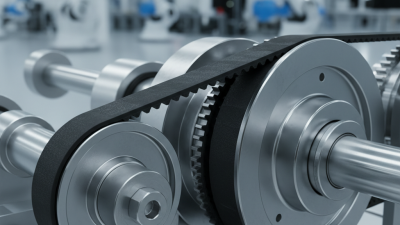
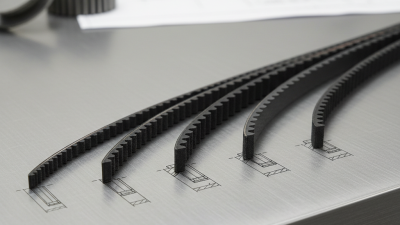
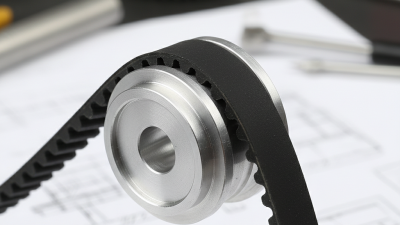
When selecting the Mxl belt pitch, understanding its importance is crucial. Mxl belt pitch refers to the distance between each tooth on the belt. This measurement affects how effectively the belt engages with the pulleys. An incorrect belt pitch can lead to inefficient operation and premature wear.
Choosing the right pitch impacts the performance of your machinery. An Mxl belt that is too tight will increase friction. Conversely, a loose belt can slip, leading to decreased efficiency. Thus, you must strike a perfect balance.
Tip: Measure your pulleys carefully before buying. Accuracy in measurements can save you time and costs later on.
Consider your application as well. High-speed applications may require precise tension control. If you work with varying loads, adaptable pitch options might be better.
Tip: Consult manufacturer guidelines to ensure compatibility. This adds reliability to your setup.
Adjusting pitch can seem daunting, but don't rush the decision. Take time to evaluate your needs. Weigh both performance requirements and maintenance ease.
Identifying Your Specific Application and Requirements
When selecting the right Mxl belt pitch, understanding your specific application plays a crucial role. Different applications can drastically affect the performance and durability of the belt. For example, belts used in high-speed machinery require different specifications than those in slower, more constant applications. Knowing your machine’s operational speed, load capacity, and environmental conditions will guide you in making an informed choice.
Tips: Analyze your application thoroughly. Consider factors like temperature, humidity, and exposure to chemicals. These can impact the belt’s longevity.
It’s also essential to think about the material and construction of the belt. Some applications demand belts with higher resistance to wear and tear, while others might require more flexibility. Not all belts can handle the same range of motion or tension either. Reflecting on these details will help you narrow down your options effectively.
Tips: Consult with experts or refer to technical specifications. They provide insight that could prevent costly mistakes in your selection process.
How to Choose the Right Mxl Belt Pitch for Your Needs?
| Application |
Required Pitch |
Load Capacity (lbs) |
Speed (RPM) |
Temperature Range (°F) |
| Conveyor Systems |
0.200" |
150 |
300 |
-20 to 120 |
| Textile Machinery |
0.250" |
200 |
1500 |
0 to 180 |
| Food Processing |
0.375" |
100 |
600 |
-10 to 150 |
| Automotive Assembly |
0.500" |
300 |
1200 |
-20 to 200 |
Evaluating Material and Durability Considerations
When selecting the right Mxl belt pitch, material and durability play crucial roles. Thompson, an industry expert, emphasizes the importance of choosing robust materials to ensure long-lasting performance. Polyurethane and rubber are common choices for Mxl belts. Both offer unique benefits. Rubber provides flexibility, while polyurethane is often more resistant to wear.
Durability should not be overlooked. Many users report issues with belts that fray or crack under stress. It's essential to evaluate how the belt will be used. For high-tension applications, consider reinforced options. This can mitigate wear and extend belt life. Observing how other users’ belts perform under similar conditions can provide insight.
Testing different materials can be enlightening. Sometimes a more affordable option turns out to be insufficient. User reviews often highlight experiences with unexpected failures. It’s crucial to strike a balance between cost and quality. Engaging forums or communities may yield valuable feedback on durability. Always consider the demands of your machinery. This proactive approach will guide you toward making the best choice for your needs.
Comparing Different Mxl Belt Pitches and Their Usages
When comparing different MXL belt pitches, one must consider the specific applications in which they will be used. MXL belts, commonly used in timing and power transmission, come in various pitches such as 2.032 inches and 0.200 inches. Each pitch type affects the performance and load capacity of the belt. According to industry reports, belts with smaller pitches generally offer higher precision and speed, making them suitable for automated systems.
For high-torque applications, a larger MXL pitch may be ideal. A report from the Mechanical Drive Systems Association indicated that larger pitches can handle more significant loads but often sacrifice some precision. Manufacturers should assess the torque requirements of their machinery while considering the trade-offs. This analysis helps identify the most effective pitch for specific tasks.
Proper alignment and tensioning are also crucial; improper setups may lead to premature wear. Industry studies show that 30% of drive failures result from misalignment. Regular maintenance checks can help ensure optimal performance. Selecting the right MXL belt pitch is not just about fitting; it’s about understanding the nuances of your specific application. A little reflection on these factors can prevent costly downtime.
Making an Informed Decision Based on Performance and Cost
Choosing the right Mxl belt pitch involves understanding both performance and cost. The pitch size directly affects how efficiently power is transmitted. Larger pitch sizes can handle more load but may add to the cost. Smaller pitches offer smoother operation. However, they might not be suitable for heavier applications.
You must evaluate your specific requirements carefully.
Cost is a crucial factor. A lower-priced belt may appear attractive. Yet, it could wear out faster, leading to higher long-term expenses. Assess the durability of materials and expected lifespan. Sometimes, investing in a more expensive belt proves more cost-effective in the long run.
Consider your energy efficiency needs as well. A belt that reduces friction can lower energy costs.
Reflect on your company's needs and capabilities. Are you prioritizing performance or budget? This decision impacts efficiency and overall productivity. Avoid rushing the process. Take time to gather data, consult with experts, and test options.
The right choice can significantly enhance your operations.



 +86-19862000127
 Phone
Phone Email
Email