Best Tapered Pulley Options for Global Buyers in 2026?
As the global market for machinery components evolves, the demand for high-quality tapered pulleys is paramount. Experts suggest that the right taper can significantly enhance efficiency in various applications. Dr. Jane Albright, a seasoned engineer in mechanical systems, emphasizes, "Choosing the right tapered pulley can make or break a project." Her insights highlight the critical role of precision in this industry.
In 2026, buyers face numerous options. Understanding material, design, and manufacturer reliability is essential. Tapered pulleys are integral to both performance and longevity in machinery. Selecting subpar options might lead to increased wear and tear, impacting overall productivity.
Buyers must also consider evolving technologies such as eco-friendly materials. The industry's shift towards sustainability can influence purchasing decisions. Despite the abundance of choices, the importance of expert consultation remains vital. A well-informed decision can prevent costly mistakes and ensure optimal performance.
Overview of Tapered Pulleys and Their Applications in Industry
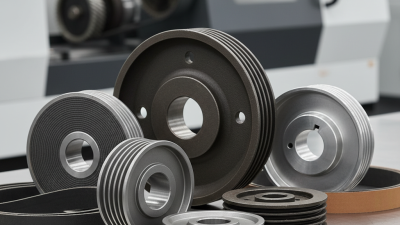
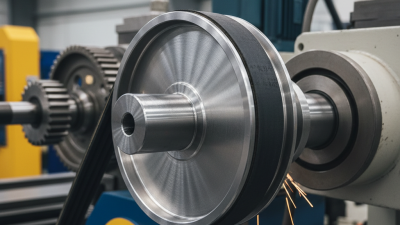
Tapered pulleys play a vital role in various industries, enhancing efficiency in power transmission systems. These components offer better belt alignment and reduce slippage, making them invaluable in industrial applications, including manufacturing, automotive, and agricultural sectors. Their design allows for quick adjustments, ensuring optimal performance tailored to specific needs.
Adjusting the tension of tapered pulleys can significantly impact their functionality. Regular checks are essential to maintain proper alignment. Improper installation may lead to increased wear and tear. It's crucial to monitor the condition of the belts used with pulleys. Old or damaged belts can negatively affect the system's overall performance.
When selecting tapered pulleys, consider the materials involved. Different projects may require aluminum or steel, depending on the load and environmental factors. Keep in mind that the wrong choice can lead to inefficiency. Researching load capacities and potential applications will guide your selection process. Proper training on installation can prevent common mistakes.
Key Specifications and Features of Tapered Pulleys for Buyers
When exploring tapered pulleys, understanding their specifications is crucial for making informed decisions. Buyers should prioritize the materials used in their construction. High-quality steel is favored for its durability, while aluminum offers a lighter option that may enhance performance in specific applications. A well-manufactured pulley can significantly impact the efficiency of a system, reducing wear and tear.
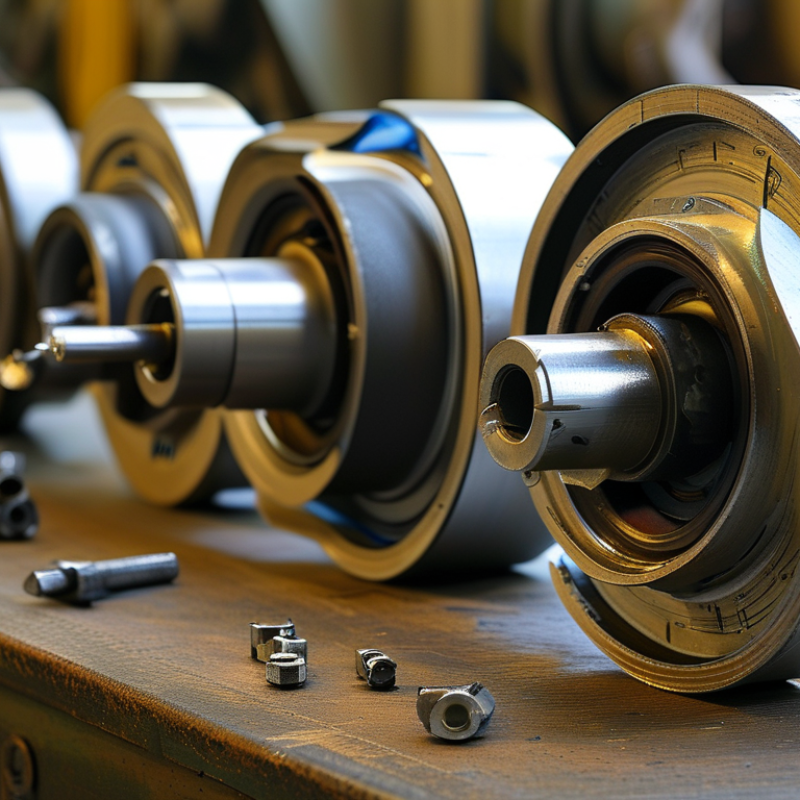
Another important feature is the groove design. This affects how belts interact with the pulleys. A properly designed groove minimizes slippage, increasing the reliability of the drive system. Users should also consider the shaft diameter compatibility to ensure a snug fit. Too loose or too tight can lead to malfunction, prompting potential downtimes that can be costly for operations.
Buyers should not overlook the importance of load capacity ratings. Each tapered pulley has limits based on its design and materials. Understanding these limits is essential in preventing early failures. It is wise to analyze the intended use case carefully. Factors such as the environment and frequency of use can impact the longevity of a pulley. Clear attention to these specifications will lead to more successful purchases in 2026.
Best Tapered Pulley Options for Global Buyers in 2026
| Model |
Diameter (mm) |
Material |
Load Capacity (kg) |
Bore Size (mm) |
Feature |
| Model A |
100 |
Aluminum |
200 |
20 |
Corrosion Resistant |
| Model B |
120 |
Steel |
250 |
25 |
High Strength |
| Model C |
80 |
Plastic |
150 |
15 |
Lightweight |
| Model D |
150 |
Cast Iron |
300 |
30 |
Durable |
| Model E |
110 |
Aluminum |
220 |
22 |
Heat Resistant |
Market Trends and Demand Projections for Tapered Pulleys in 2026
The tapered pulley market is experiencing notable shifts as we approach 2026. Industry reports suggest a growing demand driven by advancements in manufacturing processes and increasing automation. The global market for tapered pulleys is projected to grow at a CAGR of 4.5%, reflecting heightened usage across diverse sectors. This trend stems from the need for improved efficiency and reliability in machinery.
Experts point out that key regions such as North America and Asia-Pacific will show significant growth. This increase is largely due to expanding industries like mining, construction, and automotive. The rising demand for energy-efficient solutions is also influencing purchase decisions. However, buyers must consider that not all products meet sustainability standards. The importance of understanding material sources is critical in this evolving landscape.
It’s essential to evaluate supplier experience and product specifications before making decisions. Frequently, cost-effective options may compromise quality. Look for certifications and industry standards. This way, potential issues can be avoided. Engaging with suppliers for detailed discussions may yield insights into their production processes, ensuring buyers make informed choices in this dynamic market.
Best Tapered Pulley Options for Global Buyers in 2026
Comparative Analysis of Leading Tapered Pulley Manufacturers Globally
Tapered pulleys play a crucial role in various mechanical systems. Their design allows for efficient power transmission, making them a popular choice in industrial applications. A comparative analysis of leading tapered pulley manufacturers reveals significant variations in quality and performance. Evaluating these differences is essential for global buyers looking to make informed decisions.
When examining manufacturers, consider materials used in pulley construction. High-quality materials enhance durability and reduce wear. Various shapes and sizes suit different applications, ensuring versatility. Additionally, the manufacturing process can impact the final product's precision. Buyers should seek manufacturers with a reputation for quality control.
Tips for buyers include researching production methods. Understand how these affect pulley performance. It’s wise to reach out to industry peers for insights. Another useful approach is to attend trade shows. Such events provide opportunities to compare products firsthand. Remember, the right choice depends on your specific needs and application requirements.
Sustainability Considerations in the Production of Tapered Pulleys
Sustainable practices in the production of tapered pulleys are increasingly vital. As industries aim for lower carbon footprints, sourcing materials responsibly becomes crucial. A recent report shows that over 70% of manufacturing emissions come from raw material extraction. Sustainable sourcing of metals and polymers can significantly cut these emissions.
Recycling is another key area of focus. The global market for recycled materials is projected to grow by 7% annually, reflecting a shift towards a circular economy. Companies are urged to use recycled metals where possible, reducing waste and energy use. Despite these developments, challenges remain. Many manufacturers still rely on virgin materials due to perceived cost and quality issues.
Moreover, energy consumption during production raises concerns. Tapered pulleys require energy-intensive processes. Implementing renewable energy sources can mitigate some of this impact. However, transitioning to greener energy solutions may require upfront investments that some small manufacturers find difficult. The journey towards sustainability is ongoing and requires collective effort from all stakeholders in the supply chain.



 +86-19862000127
 Phone
Phone Email
Email